Leighton Cosseboom · · 2 min read
Facing unclear regulations, Xiaomi can’t guarantee the release of 4G smartphones in Indonesia
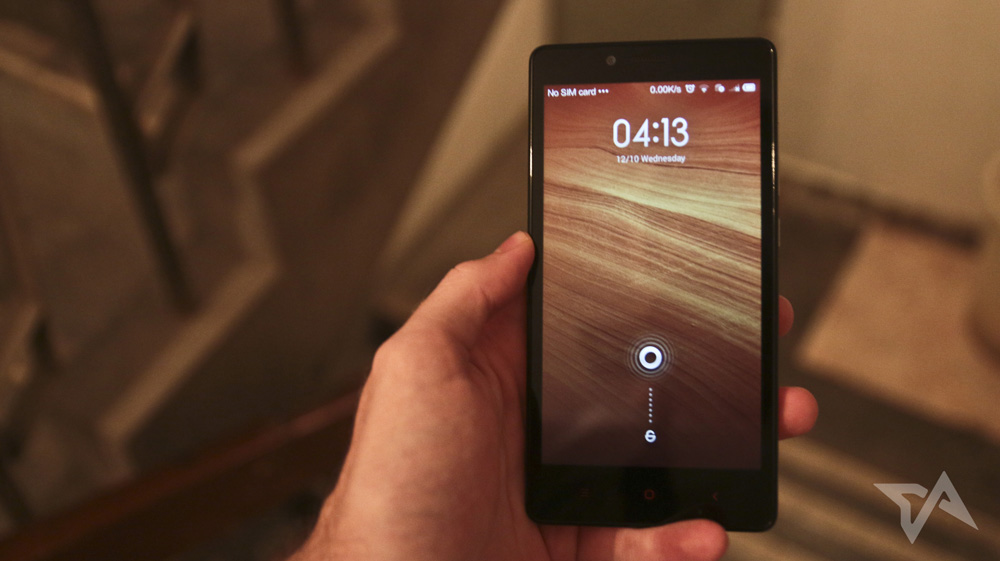
After the launch of 4G LTE mobile networks in Indonesia by three of the nation’s largest telcos, cheaper access to 4G should presumedly serve as a strong incentive for smartphone manufacturers like Xiaomi to sell compatible devices in the archipelago. But it’s not that simple for the company’s VP of international Hugo Barra, local media portal Detik reports.
While Xiaomi plans to introduce the 4G compatible Mi Note to Indonesia during the second quarter of this year, the Chinese company still feels hesitant due to the archipelago’s unclear regulations, according to Detik. As Indonesia’s government believes that the nation imported too many goods last year, it’s possible that brands like Xiaomi might experience painful taxations from the government to sell their 4G devices inside the country.
Local media portal Liputan 6 reports that three of Indonesia’s ministries have been in talks about regulating the sale of 4G LTE devices in Indonesia. The proposition that is arguably the most damning for Xiaomi is that 40 percent of all 4G mobile devices marketed inside the country should be manufactured inside the country, according to the Ministry of Information and Communication Technology (ICT). Indonesia’s ICT minister Rudiantara says the regulation will go into effect by 2017. In the meantime, this would allow Xiaomi to start selling 4G devices in Indonesia, but would create big problems for the company further down the line.

Hugo Barra, Xiaomi VP of international
See: Xiaomi Redmi 1S sold out in Indonesia in “7 minutes”
In addition, the government plans to switch the country’s 1,800 megahertz bandwidth over to the new 4G networks next month. This will render the local 2G networks impotent, essentially forcing 180 million Indonesian mobile subscribers to buy new phones.
Barra tells Detik that he feels the rules are not clear for Indonesia. “They did not explain it,” said Barra. “So what we have to do is look forward and see what happens. I hope that any decision will be implemented gradually so companies like us have time to adjust.” Barra adds that Xiaomi has already experienced a similar problem in Brazil. According to him, countries like Indonesia, Brazil, and Mexico can take up to six months for the certification process alone.
Barra remains confident that the Mi Note will eventually roll out in Indonesia, but as of right now, the timeline is still shaky. “We can not ensure a 4G device in Indonesia because we do not know what the rules will be like,” Barra tells Detik. “Until we know the rules, we have to wait.”
Editing by Daniel Tay
(And yes, we’re serious about ethics and transparency. More information here.)





Stay updated on the go with our mobile app.
Get latest insights with smoother, more personalized experience through TIA mobile app.