- Premium Content It takes our newsroom weeks - if not months - to investigate and produce stories for our premium content. You can’t find them anywhere else.
 Aditya Hadi Pratama · · 5 min read
As inflation bites, Indonesia’s warungs and low-income workers may have most to lose
Countries across the world are facing rising inflation, and Indonesia is no exception. The country’s central statistical bureau announced that the inflation rate stood at 4.35% in June.
While this is lower than the 9.1% recorded in the US and the 9.6% figure of the European Union, it is still the highest inflation rate that Indonesia has seen since June 2017.
Who will bear the burden if inflation in the archipelago continues to rise?
This problem is illustrated in the relationship between producers of goods, consumers, the small retailers (known locally as warungs) many Indonesians depend on for daily necessities, and the tech startups that focus on serving these warungs.
Big producers resilient so far
Fithra Faisal Hastiadi, executive director of local think tank firm Next Policy, tells Tech in Asia that the inflation rate in June was lower than he expected because of the government’s decision to continue subsidizing gas prices. However, this may not be sustainable if energy prices remain elevated.
“Continuous subsidies may cause unnatural behavior among consumers, as they will think that the situation is okay while in fact it’s not,” he says.
According to former Minister of Finance Muhammad Chatib Basri, while the consumer price index – which measures how much buyers pay for a certain product – is still in the range of 3% to 4%, the producer price index – the corresponding figure for manufacturers – has reached more than 9%.
This means that producers are shielding consumers from the full impact of inflation by absorbing some of the increase in prices. Others may practice shrinkflation, or putting less content in a package and selling it at the same price.
However, if prices continue to rise, producers will eventually need to mark up their own products. Hastiadi predicts that this may happen as soon as the third quarter of this year.
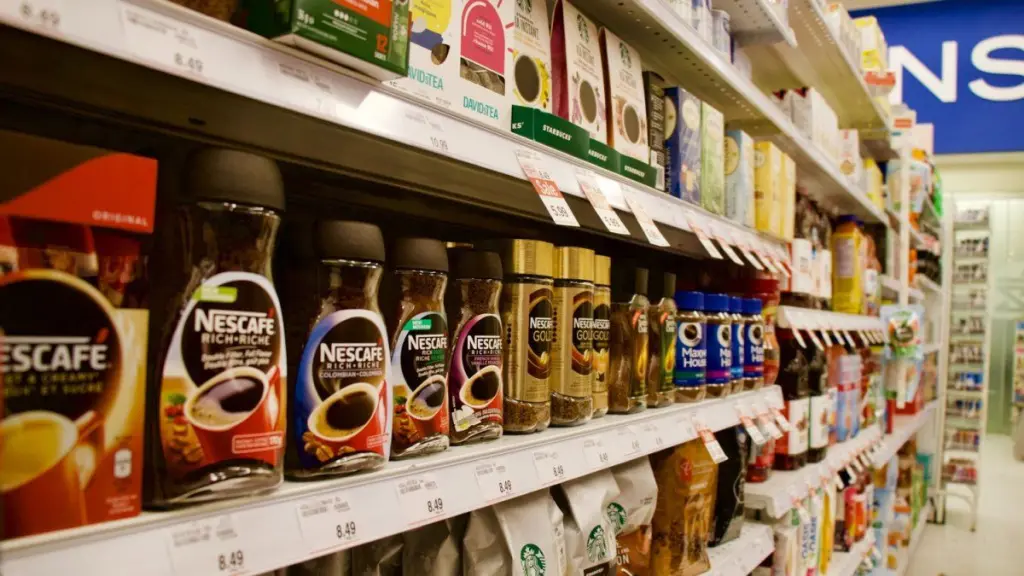
FMCG Products / Photo credit: Shoplinks
Some of the country’s biggest players are already doing just that. Sido Muncul, a Semarang-based food and herbal medicine company listed on the Indonesia Stock Exchange (IDX), has announced that it will raise the prices of its products by 12%.
Because of their flexibility and wide reach, large manufacturers like Sido Muncul and fellow IDX-listed FMCG company Unilever Indonesia have managed to increase their year-on-year sales and profit in their most recent reporting periods.
Sido Muncul’s sales for the first quarter of 2022 were up by 11% from the same period a year earlier, with profit correspondingly rising by 10%. Meanwhile, Unilever Indonesia saw sales in the first half of the year rise by 6% year on year, while profit expanded by 13%.
These numbers suggest that, at least so far, big producers are resilient to inflation. This is reflected in the performance of their shares. Year-to-date, Sido Muncul is up by 11%, and Unilever Indonesia has advanced by 7%. In contrast, the IDX Composite has only risen by 4% in the same period.
Middlemen won’t subsidize warungs
Low-income segment most affected
Stay ahead in Asia’s tech landscape
This is premium content. Subscribe to read the full story.
Producers, small retailers, and startups won’t be able to do anything to curb inflation, but market focus may define their ability to survive.
We know this is not ideal. ⌛ Sign up in 20 seconds. Cancel anytime.
Our subscriber community includes professionals from these companies:





Stay updated on the go with our mobile app.
Get latest insights with smoother, more personalized experience through TIA mobile app.










📅 Upcoming Events
22 October 2026
Payoneer x CSPN Summit 2026