 Leighton Cosseboom · · 3 min read
For foodie startup Qraved to succeed, it’s shedding its Rocket Internet ways
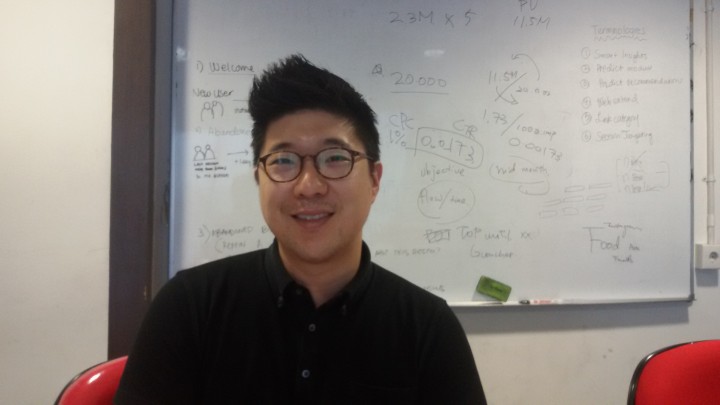
Steven Kim, co-founder and CEO of Qraved
If you’ve been in an elevator in Jakarta over the past month, odds are you’ve seen the digital signage ads for Eat Jakarta, a four-week-long event in Indonesia’s capital in which 100 local restaurants offered discounted meal sets. The firm responsible is local foodtech startup Qraved, and the company now reports receiving 1.5 million monthly visitors.
This traffic number is a sharp uptick when pitted against its user base back in December, which was just a hair more than 60,000 monthly visits. Qraved co-founder and CEO Steven Kim says the upswing is not a momentary spike from the event, but rather an upward trend resulting from his firm’s new strategy.
See: Indonesia’s Qraved gets another $1.3 million investment
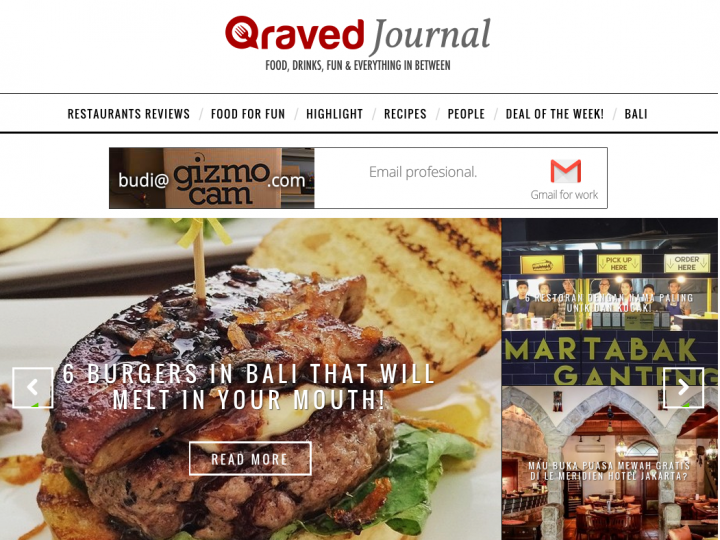
According to Kim, Qraved is no longer a company that focuses purely on table reservations. Instead of just zeroing in on foodies that want to make restaurant bookings, Qraved now gives people more reasons to visit its site or use its brand new app, including an interesting and regularly updated food blog called Qraved Journal.
“We’re marrying content, community, and commerce together now,” explains Kim. “When we first started, we took a very ecommerce approach, which is what I’m used to from my Rocket Internet background […] but lifestyle products like ours are very different. Just because I see something online, doesn’t mean I generate an immediate need for that product.”
The blog features restaurant reviews, listicles, recipes, interviews, and more. The nature of Qraved’s traffic has changed fundamentally, says Kim, adding that people are now using the site more for discovery and inspiration purposes, as well as becoming more social with the content and sharing posts across other channels.
“The big thing is focus. In the past, we focused only on conversion,” explains Kim. “We thought the top of the funnel wasn’t that important in Indonesia when actually it is […] We also realized that successful players in other markets were plugged into content portals with a bunch of traffic.” He lists Zomato, Dianping, and Houzz as examples of lifestyle brands that have executed the same community and content strategy well.
Qraved currently has 20,000 restaurant partners in Jakarta and Bali. Kim says Qraved will now monetize on three key pillars: advertising, subscriptions, and reservations. As of right now, users are not able to pay for their meals or get delivery service through Qraved, although Kim says these things may come in the near future.
In Indonesia, Qraved will now compete with other food content sites. Arguably, media outlets like Epicure Indonesia, Jakarta Java Kini, and Hellobali could be seen as viable contenders.
“In the past, our competition has been people telling their friends about restaurants,” says Kim. “But now, rather than competing against that, we’re the ones facilitating it.”





Stay updated on the go with our mobile app.
Get latest insights with smoother, more personalized experience through TIA mobile app.








📅 Upcoming Events
22 October 2026
Payoneer x CSPN Summit 2026