- Premium Content It takes our newsroom weeks - if not months - to investigate and produce stories for our premium content. You can’t find them anywhere else.
 Randy Mulyanto · · 5 min read
Protectionist policies may backfire on Indonesian gamers
There doesn’t seem to be much in common between video games and the chemical nickel. However, protectionism might be the common thread, at least in Indonesia.
The government has progressively banned the export of raw nickel and now requires it to be processed domestically before it can be exported.
Similarly, recent actions by the government suggest that the country will become more protective of its gaming market in the future. However, Indonesian gamers may be the ones who end up paying the price.
Multibillion-dollar market
Gaming is already a billion-dollar market in Indonesia, according to a report by consultancy firm PwC.
And this is expected to keep growing – the report forecasts a compound annual growth rate of 13.8% between 2023 and 2027, which will see the market worth US$3.1 billion by 2027.
Yet, Indonesian game developers still struggle to gain a strong footing domestically, and this is not for a lack of trying.
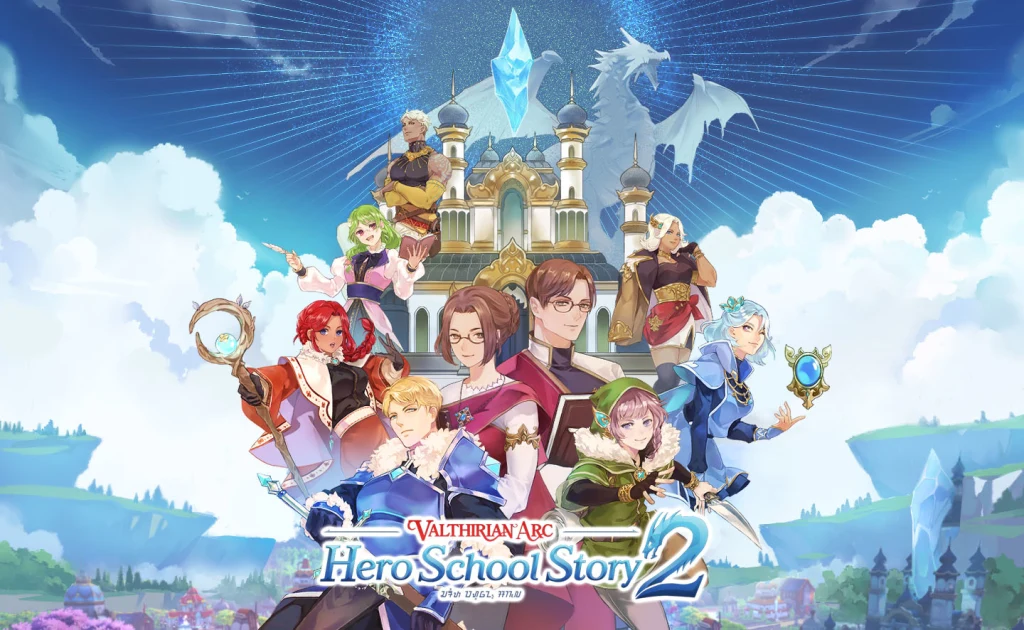
Valthirian Arc: Hero School Story is among the most popular titles from Indonesian game developer Agate./ Photo credit: Agate
According to last year’s Virtual SEA report, Indonesia produced at least 203 video games in 2023, 64% more than in 2020. The country developed 35% of video games in Southeast Asia, ranking it first for the most games produced in the region.
Meanwhile, the Indonesian Game Association features 70 domestic game studios in its annual catalog published in October.
One of the reasons for the industry’s struggles is that local players simply prefer international games over local ones.
Jakarta office worker Dhio Faiz is one such gamer. The 29-year-old enjoys foreign games such as Pokémon, Digimon, and Final Fantasy, among other titles. He also played local role-playing games like Kitaria Fables but says he wasn’t a fan.
“The [local game] choices are still limited,” he tells Tech in Asia. “I usually look for ones with a longer playtime and a complex story.”
Faiz attributes the lack of interest in local titles to Indonesia’s underdeveloped gaming ecosystem. That’s a sentiment Shafiq Husein, president of the Indonesian Game Association, agrees with.
Husein, who is also the founder and CEO of local game developer Gambir Studio, notes that most local titles are produced by indie developers with more limited budgets. This leads to sacrifices in graphics, gameplay, and user experience.
Shift to protectionism
Prone to misuse?
Stay ahead in Asia’s tech landscape
This is premium content. Subscribe to read the full story.
Indonesian game developers still struggle to gain a strong footing domestically, though this is not for a lack of trying.
We know this is not ideal. ⌛ Sign up in 20 seconds. Cancel anytime.
Our subscriber community includes professionals from these companies:





Stay updated on the go with our mobile app.
Get latest insights with smoother, more personalized experience through TIA mobile app.








📅 Upcoming Events
22 October 2026
Payoneer x CSPN Summit 2026