Paul Bischoff · · 2 min read
Individuals have free speech, groups are gagged: Harvard study shines light on China’s internet censorship
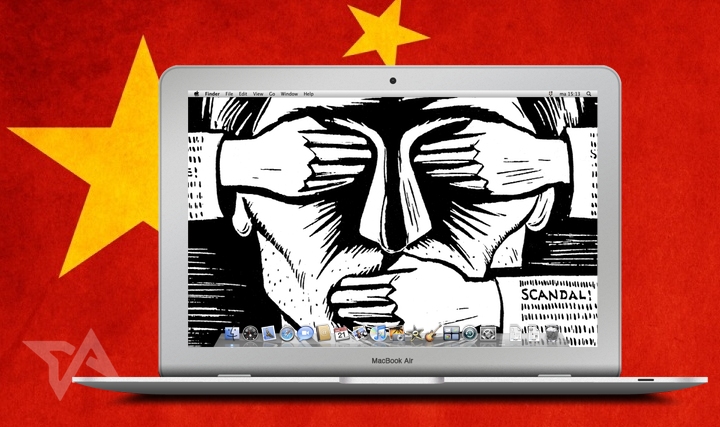
You can say pretty much whatever you want on Chinese social media without fear of being censored, as long as you don’t say it in unison with a collective group. That’s what a recent study published in scholastic journal Science by a group of Harvard researchers reports.
“Reverse-engineering censorship in China: Randomized experimentation and participant observation” claims to be “the first large-scale experimental study of censorship by creating accounts on numerous social media sites throughout China.”
The study found that users who “attempt to spur the creation of crowds for any reason-in opposition to, in support of, or unrelated to the government” were promptly muzzled. But those who acted alone were left alone.
Chinese people can write the most vitriolic blog posts about even the top Chinese leaders without fear of censorship, but if they write in support of or opposition to an ongoing protest—or even about a rally in favor of a popular policy or leader—they will be censored.
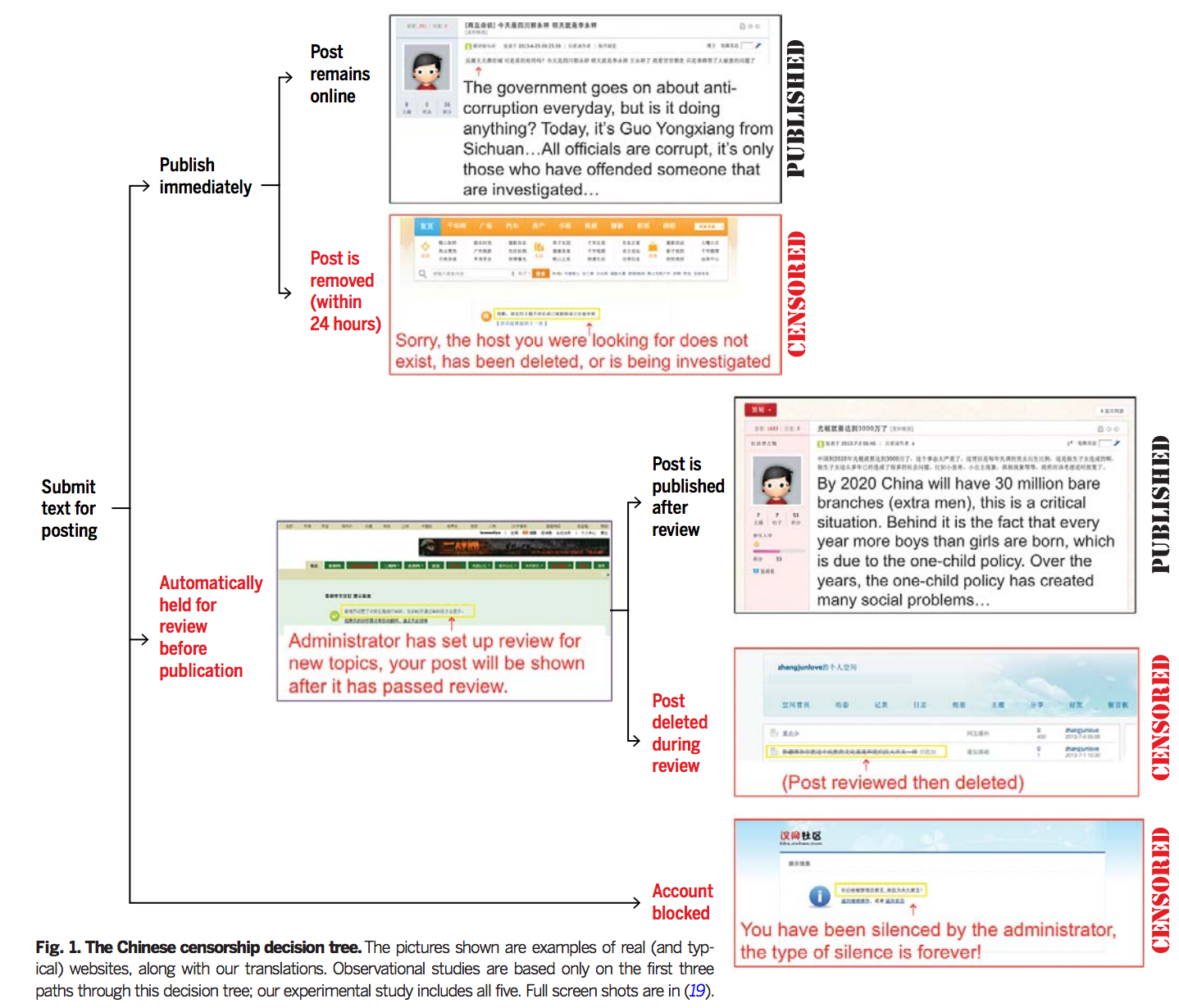
The study concludes that Chinese leaders actually find value in allowing and then measuring criticism of the millions of people active on Chinese social media. This creates actionable information for them to improve upon.
The researchers conducted the study across multiple social media accounts by downloading published posts before the government could censor them. Content to be posted was randomly assigned to each account, and detecting which were censored from a worldwide network of computers.
See: Want to use WeChat? You better ‘abide by the socialist system’
In the second part of the study, they also conducted confidential interviews with outsiders to supplement a participant observation study. The researchers “purchased a URL, rented server space, and contacted Chinese firms to acquire the same software as used by existing social media sites.”
That software is required by all social media sites as a way for government censors to gain access and snuff out content they don’t like. They were then able to reverse engineer the censorship process.





Stay updated on the go with our mobile app.
Get latest insights with smoother, more personalized experience through TIA mobile app.