Osman Husain · · 5 min read
An online pharmacy wants to end Pakistan’s deadly trade in fake medicines

With over 700 licensed manufacturers, Pakistan’s pharmaceutical industry is valued at about US$2 billion, placing it amongst the ten biggest markets in Asia and making it a highly lucrative industry. Unfortunately, the country also suffers from rampant counterfeiting of popular medicines, with some estimates declaring that approximately 30 percent of drugs in the supply chain are spurious and substandard copies. And dangerous. While major manufacturers continue to call for a greater degree of regulation, oversight, and dispensation of justice, government apathy has so far stymied any efforts for reform in the sector.
Alarmingly, fake medicines sometimes reach pharmacies in government-run hospitals as well. In 2012, 112 people died after ingesting substandard medicine prescribed to them by the Punjab Institute of Cardiology. Despite public uproar and an official investigation into the incident, very little was done in terms of reform and legislation to prevent such accidents from happening again. The pharmaceutical industry continues to lobby actively for an independent drug regulatory authority at the federal level to oversee the sector, but their efforts have so far fallen on deaf ears.
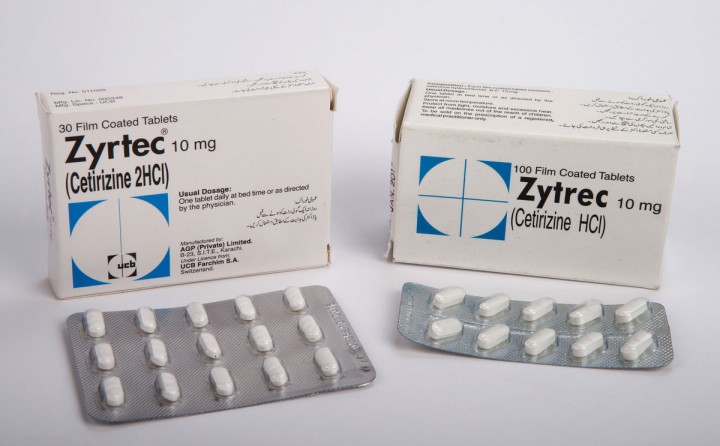
A packet of authentic pills (left) sits alongside its’ counterfeit copy (right)
Photo courtesy: Bloomberg
Urgent problem
Closely watching these developments from the cushy confines of London was Pakistani-born investment banker Furquan Kidwai. For Cambridge-educated Kidwai, the rise up the corporate ladder has been rapid. At age 24 he was promoted to a vice president position at the Royal Bank of Scotland, eventually going on to become the director and head of European emerging markets. However, he yearned to do something different, starting his own enterprise and helping his country of birth.
By the latter half of 2012, Kidwai had started taking a keen interest in the rising tide of technology businesses in Pakistan. IT-friendly policies had resulted in an explosion of broadband internet users as well as extensive usage of mobile phones, contributing to disruptions in almost every vertical. Based on these factors and the existence of a large consumer base in Pakistan, Kidwai felt it was an opportune time for him to enter the sector. “Users are now more aware than ever before,” he tells Tech in Asia. “Ready access to information means that they are not willing to accept substandard products and service.”
In April 2013, Kidwai officially launched Dawaai.pk, Pakistan’s first ecommerce venture within the health vertical. His primary motive to do so was to bring a greater degree of transparency and awareness within this crucially-important sector and help prevent unethical practices within the overall supply chain. “Unofficial estimates of Pakistan’s pharma industry go as high as US$4 billion, with the majority of outlets consisting of small, independent retailers,” he says. “The highly fragmented nature of the market means that there is significant opportunity for disruption based on expertise and knowledge.”
Initial funding for Dawaai came from Kidwai’s own capital as well as an undisclosed sum from a network of angel investors based in the US, UK, South Africa, and Qatar. However, the venture was initially slow to gain traction as Facebook prohibited marketing for online pharmacies in Pakistan and therefore it had to rely on expensive offline marketing to get its presence established. What surprised Kidwai was the speed at which daily visitors to his portal grew, convincing him of the viability of his business and the word-of-mouth impact.
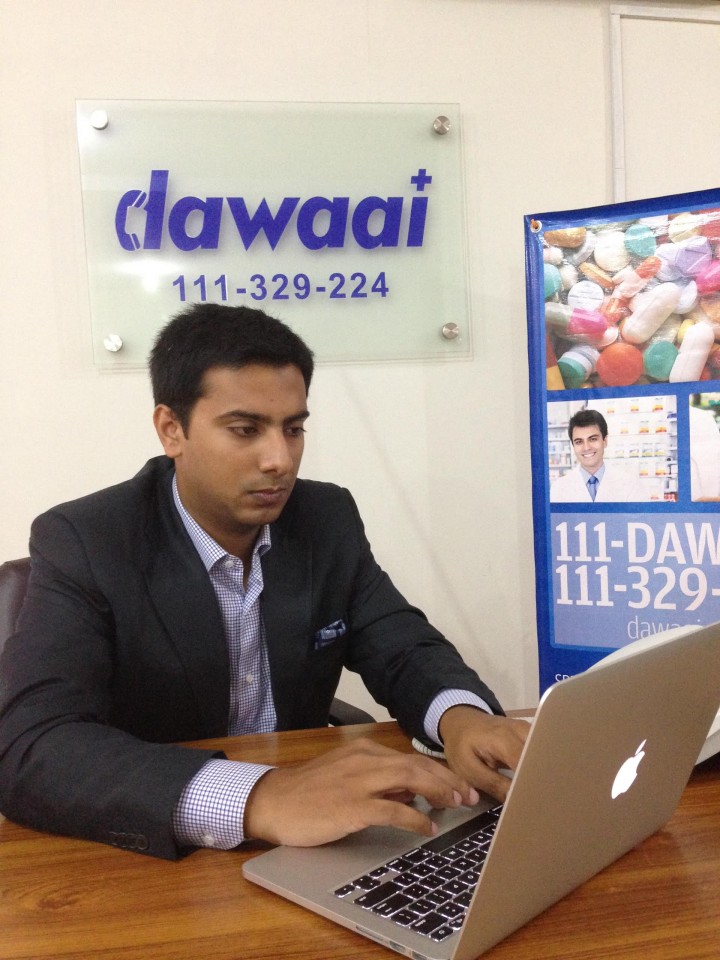
Dawaai CEO Furquan Kidwai
See: Popinjay dreams of making poverty a thing of the past for Pakistani women
Preventing abuse





Stay updated on the go with our mobile app.
Get latest insights with smoother, more personalized experience through TIA mobile app.