- Premium Content It takes our newsroom weeks - if not months - to investigate and produce stories for our premium content. You can’t find them anywhere else.
 Samreen Ahmad · · 5 min read
India’s companies thrive on public markets, but VCs are holding back
India’s IPO market is flourishing.
In 2023, the country took the spotlight as the world’s top destination for IPOs, with 57 listings such as Tata Technologies and IdeaForge Technology, which collectively raised 494.3 billion rupees (US$5.9 billion). This was an upswing from 40 IPOs in 2022.
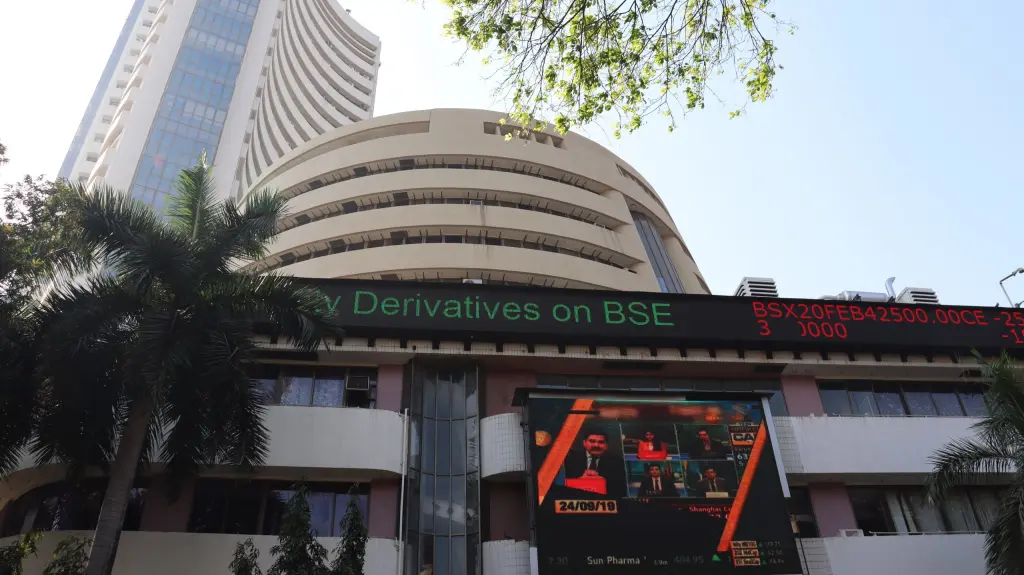
Photo credit: Harshit Srivastava S3 / Shutterstock
Typically, a bustling IPO and stock market correlates with increased venture capital investment. Outperformance on the stock market, alongside exit events, are a chance for investors to realize capital gains and free up funds that can be channeled to new investment opportunities.
However, VC investment in the country actually declined nearly 63% between 2022 and 2023, a report from Bain & Company shows. Deal count also fell from 1,611 to 880, while average deal size fell from US$16 million to US$11 million during the same period.
The report noted that despite this significant decline, India retained its position as the second-largest destination for VC and growth funding in Asia Pacific, only ranking behind China.
So why is there a disconnect?
The reset is real
Industry observers Tech in Asia spoke to say that since 2023, VCs in India have become more discerning of the businesses and founders they back. That’s because many of their past investments have fallen short of their expected returns, which have led to a slowdown in funding.
Last year, Scott Shleifer, a senior advisor at Tiger Global, said returns on India investments had “sucked historically” compared to other global internet firms like Google, Facebook, and Tencent. The investment firm has invested in prominent India-based companies such as Ola, Flipkart, and Paytm.
On an investor call, Schleifer noted that many startups in the country faced governance issues and struggled to achieve profitability.
In 2023, for instance, Indian car servicing startup GoMechanic admitted to financial reporting lapses. This prompted early investors like Peak XV Partners (formerly known as Sequoia Capital India) and Orios Venture Partners to file a police complaint against the startup’s founders.
Concerns about inflated sales figures at healthtech startup Mojocare also led its investors, including Chiratae Ventures, B Capital, and Better Capital, to request a forensic audit of the firm’s financial records.
Another part of the problem? Many companies in the country raised funds at unsustainable levels. By and large, if an entrepreneur had demonstrated product-market fit, they would secure funding, industry observers note. Then, as they aimed to solidify product-market fit, they would secure funding once more, sometimes within a span of a few months.

Growing pressure from LPs
Lead-lag effect
Stay ahead in Asia’s tech landscape
This is premium content. Subscribe to read the full story.
Cautious VCs, vigilant LPs, and concerns of potential down rounds among startups have dampened investor sentiment in India’s flourishing market.
We know this is not ideal. ⌛ Sign up in 20 seconds. Cancel anytime.
Our subscriber community includes professionals from these companies:





Stay updated on the go with our mobile app.
Get latest insights with smoother, more personalized experience through TIA mobile app.