Zen Soo · · 5 min read
Rural farmers sell produce online as China steps up poverty alleviation efforts
In 2018, farmer Chen Jiubei made a business decision that would lift not just her own fortunes, but those of others in her town.
It was something she stumbled upon: A relative mentioned that she had started livestreaming on ecommerce site Taobao. While Chen didn’t know what that was, “I decided to give it a shot when I had some free time on my hands,” she said.
Her livestreams that showed her doing farm work, cooking meals, and talking about her products proved so popular that she racked up 40,000 followers in just over a year and started regularly selling out her seasonal harvests of corn and rice online.
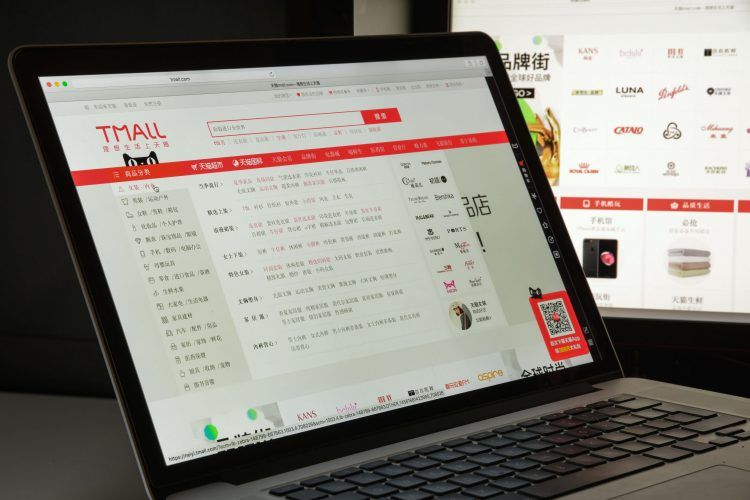
Photo credit: piotrkt /123RF
As Chen, who is in her 30s, made a name for herself, others in her hometown of Badagong – a remote town in the central Chinese province of Hunan – began enlisting her help to sell their fruit and produce online in return for a cut of the sales.
Many of these farmers used to fall below the poverty line, which the Chinese government officially defined in 2011 as a per capita net yearly income of 2,300 yuan (US$326). However, Chen said they now earn up to 3,000 yuan in gross profits monthly via her livestreams, lifting the entire village out of poverty.
Chen is one of the growing number of farmers and rural merchants who are looking toward online platforms to promote products to consumers across the country. This comes as China’s ecommerce giants – such as the South China Morning Post‘s parent company Alibaba and group-buying platform Pinduoduo – increasingly focus on this group of sellers.
Companies have indicated that they hope to help alleviate poverty in China’s rural areas and to provide consumers with direct access to fresh produce and rural products while cutting out the middlemen in the supply chain.
For Chen, the ecommerce business has tangibly improved conditions at home. While meat and fish used to be considered a luxury only to be had on festive occasions, she and her mother can now afford to cook meat dishes for every meal, and when the harvest season rolls around, they can afford to hire workers to work in the fields instead of doing the back-breaking work themselves.
“My mother used to harvest the crops in the field, too,” Chen told the Post. “But now that we earn more, she can take a break.”
Alibaba, which is the owner of the Post, this year pledged to help farmers sell over 150 million kilograms of agricultural products for the festive season leading up to the Lunar New Year, which occurs at the end of January this year. Efforts to achieve this goal include the implementation of a landing page on the main page of its Taobao ecommerce marketplace, which allows users to browse agricultural goods such as fruits and fresh produce directly from these farmers.
“Our goal is to build a digital engine for rural revitalization and a new rural infrastructure driven by technology as villages enter the digital economy today,” said Li Shaohua, Alibaba’s vice president and general manager of the firm’s rural business unit, adding that this infrastructure would empower villages and farmers to better sell products online.
The company’s strategies include linking up the urban and rural areas in China, giving urban consumers access to more agricultural products, and introducing urban products to the rural villages to help improve their quality of life, said Li. By 2022, the company hopes that sales of agricultural products on its platforms can exceed 400 billion yuan annually.
To be sure, ecommerce platforms may be helping farmers turn a bigger profit, but the direct-to-consumer model will inadvertently hurt middlemen in China’s agriculture supply chain who previously served as the bridge between farmers and retailers. With ecommerce platforms, farmers are now able to connect with merchants and consumers directly.





Stay updated on the go with our mobile app.
Get latest insights with smoother, more personalized experience through TIA mobile app.