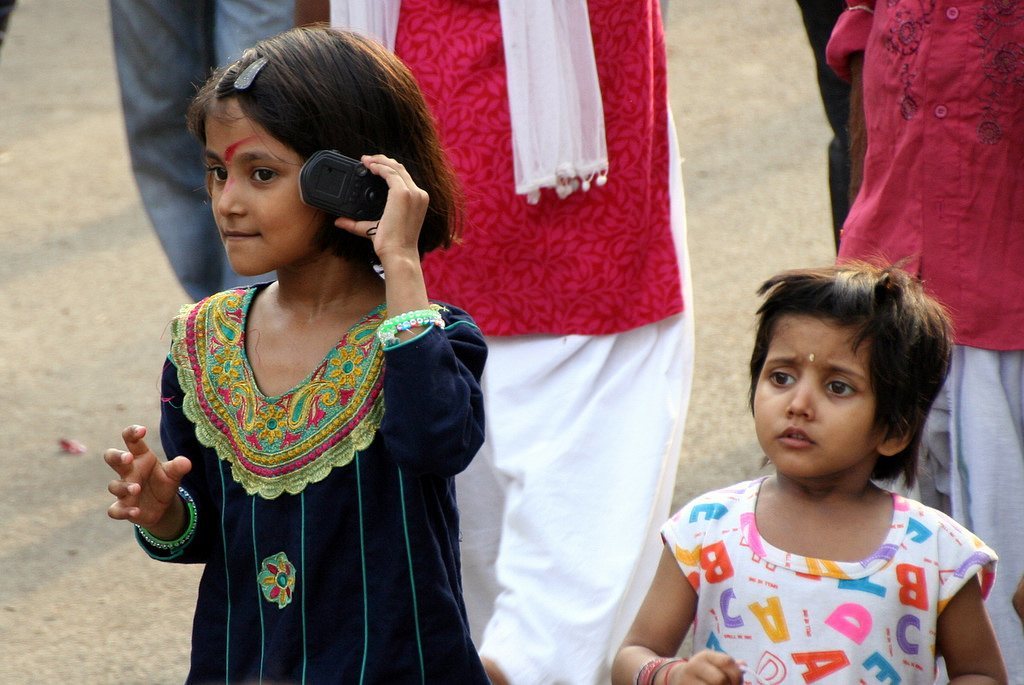
(Photo by Ramesh Lalwani)
Facebook is going all-out on India. That makes sense. With Mark Zuckerberg looking ahead at saturation in mature markets like Europe and North America, and with his social network locked out of China, he’s pushing forward a lot of things to ensure that Facebook gains plenty of growth from India.
130 million Indian people now use Facebook actively. But Facebook wants a lot more. It wants “the next billion people,” as the company has called them, who’ll use Facebook and all its sister apps, like Facebook Messenger, WhatsApp, and Instagram.
Asia as a whole is vital to Facebook’s future. The site hit 496 million monthly active users in Asia-Pacific at the last count. Soon, the region will have more active Facebook users than Europe, the US, and Canada combined.
Here are five recent ploys – including several that happened this week – which show Facebook’s renewed determination to win in India:
1. Getting more people online in the first place
One challenge in the India market is that not many people are online yet. Poor infrastructure and low incomes combine to keep a lot of people off the web, particularly in rural areas.
India now has 350 million active internet users, which shows the population of 1.25 billion doesn’t have easy or fair access.
Facebook started to tackle this problem in India in February last year with Internet.org, its scheme to offer free access to a selection of sites and apps for people who would otherwise be offline. It does this by partnering with one telco in each nation where it’s rolled out.
However, this has been controversial. Since Internet.org does not offer access to the whole internet, many observers and governments slammed the plan as akin to demolishing Net Neutrality.
The backlash is especially strong in India, forcing Zuckerberg to rethink the way Internet.org operated in the country. Last month, the program was renamed Free Basics. This week, it opened up to developers so they could create services aimed at people in India’s countryside, such as farmers and students.
Although Facebook has sweetened the deal for its (very limited) free internet, the company is not yet out of hot water and a name change to Free Basics doesn’t mean people will forget about the Net Neutrality issue.
2. Changing Facebook so it works better on slower connections
To make sure users in India don’t run into issues on Facebook caused by slow web connections, Facebook earlier this month said it would start “building for all connectivity.” That means making tweaks to the News Feed so that, when the site notices a user is on a 2G or shaky line, it won’t load videos, and instead the News Feed will show more status updates and links.
If a connection is flaking out, Facebook is now ready for that too. “Sometimes we are unable to load any new News Feed stories if a connection is particularly congested or poor quality. People have told us that when they visit News Feed they’d rather see stories that may have loaded on a previous visit than not see any stories at all. So now when you leave News Feed and then come back again on a bad connection, we will display previously downloaded stories,” explained Chris Marra and Alex Sourov from the emerging markets team at Facebook.
3. Understanding what using the web in India is like
4. New ad format for people who can’t view videos
5. Zuck drops by





Stay updated on the go with our mobile app.
Get latest insights with smoother, more personalized experience through TIA mobile app.









📅 Upcoming Events
22 October 2026
Payoneer x CSPN Summit 2026