- Insights This article was written by a TIA community member. Insights pieces undergo the same rigorous editorial process that newsroom-produced articles have.
 Jay Kim · · 8 min read
Entrepreneur, blogger on building an online business and earning passive income
This article is part of Tech in Asia’s partnership with The Jay Kim Show where we publish the revised transcripts from the show’s podcast interviews with top entrepreneurs. This is heavily revised from the original show transcripts. For the full interview, go here.
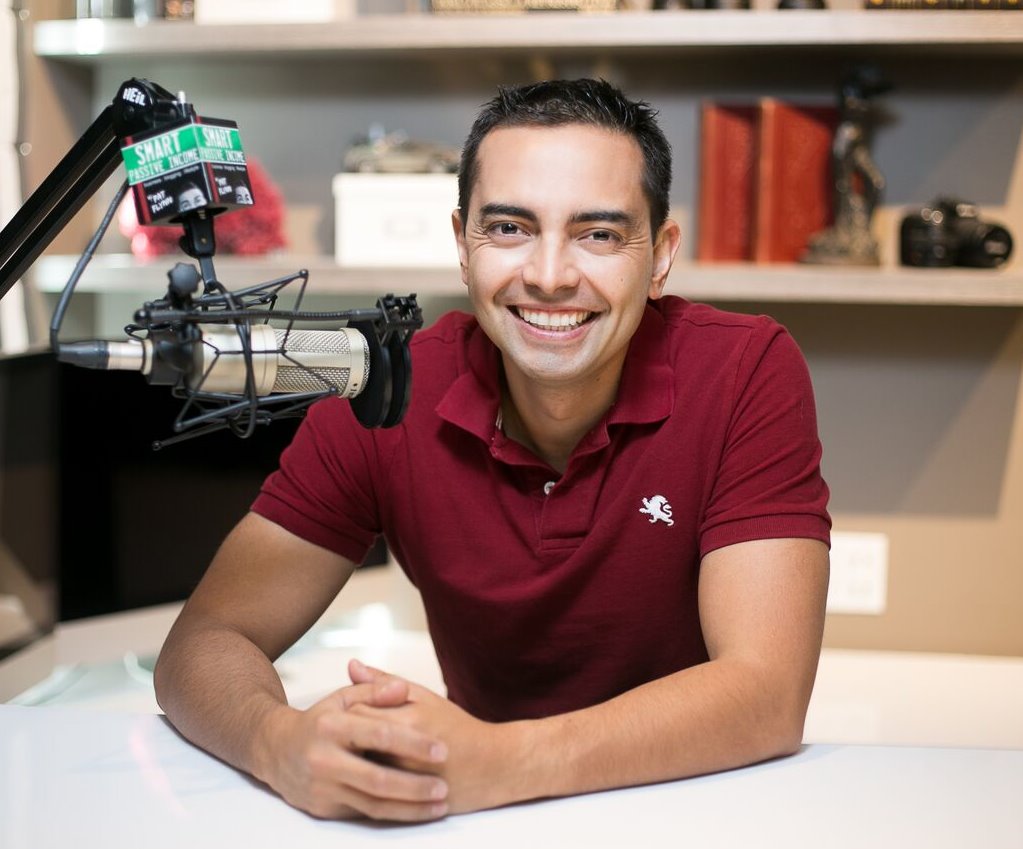
Pat Flynn is the rock star online entrepreneur who runs the popular website smartpassiveincome.com. He calls himself the crash test dummy of online entrepreneurs because he has always taken an honest and open approach in everything he does. He always details his successes and his failures so people can know exactly what works and what doesn’t. Pat even goes as far as to post his online monthly income statements on his website so everyone can see exactly how he’s making his money.
Let’s jump right in.
Can you give us a quick introduction on who you are and how you became a successful entrepreneur?
“Well, it definitely didn’t happen overnight. That’s the first thing I’ll mention. I actually went to school for architecture and I thought that that [was] what I was going to do for the rest of my life. I really enjoyed [architecture], but in 2008 I was told that I was going to be let go [from my job], which was unfortunate, but in the States, there was a big recession during the time. […] I had always thought that I would just get back into architecture very soon or go back to school.
“When that was all happening, I found a podcast called the Internet Business Mastery. On that show, there was a particular episode where somebody was talking about how they were making six figures a year by teaching people how to pass what was called the Project Management exam. […] That was my big light bulb moment because for me when I was journeying to become an architect, I took many different exams. A number of them were very hard and difficult, [and I] didn’t have a lot of information about them.
“I said, ‘Hey, maybe I can be like this guy, but help people pass one of these exams.’ I started to blog and talk about this particular exam, my experience with it, and tips and tricks that I learned. At the end of the year, I ended up launching my first book. It was essentially an ebook that was sold on my website.
“I really had no idea how well it was going to do or if it was going to sell any copies at all. But in that first month, I had sold nearly 300 copies at US$19.99 each, and it was just a complete game changer for me in terms of what I saw was potentially possible in the online space.”
How long did it take you to get a substantial readership and at what point were you able to monetize your blog?
“Initially, I wasn’t getting any visitors. I think that’s just something we all have to go through. When you first launch, you’re going to have hardly anybody—although nowadays you can build an email list even before you launch a website to get people excited about it. I’ve done that recently with a niche site over at foodtruckr.com. That’s the way I would suggest going about it.
“Back then, there were months where I was just basically writing for myself. But here’s what I did: I took those articles I wrote—that I knew were really helpful—and I’d start to build the connections with people who I knew would find them helpful. […] I would share this information with them and they would share it with [the people they knew], […] so it grew slowly that way.
“I also found and became very active in an online forum where there were people studying for this exam. I went in there and I didn’t just go [and] say, ‘Hey, guys, I have this website. Buy my stuff.’ I didn’t even have a book yet at first; I wasn’t selling anything. I think that’s the other thing. I put all this information out freely so when people did find it online, they shared it knowing that I wasn’t asking for anything, but it was also the best information out there. I made it the best information that was freely available about this stuff.
“When people see that [kind of content], they can’t help but love it and share it and love you for it.
“It was later in the year that I started to hear from people saying, “Man, you should package all this stuff up into a book.” […] Even then it took me a couple of months to just really understand that I could do that because I thought people were just saying that to be nice, but they were actually saying it because they would buy it. They were validating it for me and I didn’t even know it.
“I eventually launched my book and it did really well, and then I started to add more products like an audio version of the guide, which sold really well.”
What’s the future of online businesses? Are we in trouble?
What exactly does passive income mean to you?
What’s the advice you’d give entrepreneurs who aren’t familiar with building an online business?





Stay updated on the go with our mobile app.
Get latest insights with smoother, more personalized experience through TIA mobile app.