Nikita Peer · · 3 min read
Investors go grocery shopping in India, 9-month-old PepperTap bags $36M series B
When Navneet Singh was working at debt servicing company Validor Capital, he was intrigued by startups fixing the broken logistics network in India. He quit his high profile job as a partner of the firm to join Delhivery, a heavily-funded warehousing and delivery startup, to lead strategy. But then, he found that consumers returning items is a major issue for ecommerce and launched Nuvo Ex to fix that problem.
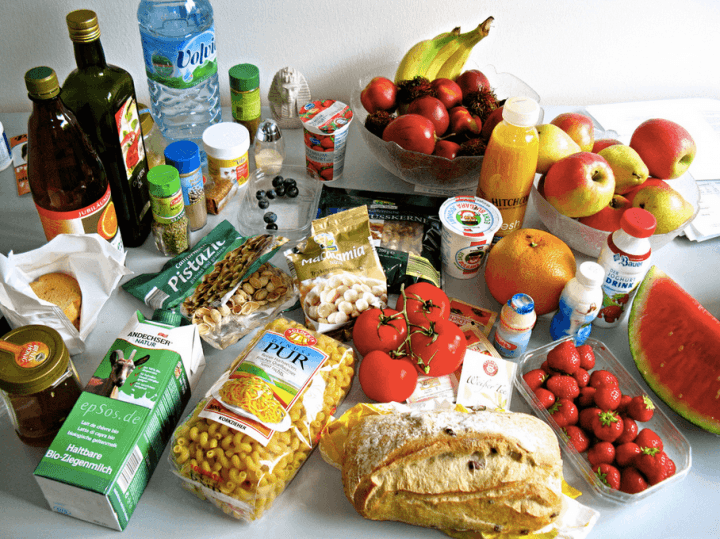
After expanding Nuvo Ex to 15 cities, he discovered a new opportunity – hyperlocal grocery deliveries. So he started PepperTap in Delhi in November with a seed investment of US$1.2 million from Sequoia India. With PepperTap, people can tap out their orders on their smartphones and get a delivery within two hours. Staple foods, dairy products, fresh fruits and vegetables, as well as other food and household items are among the 15,000 products available through the PepperTap app.
In April, the startup bagged US$10 million led by SAIF Partners to take the service to 10 cities. Today, PepperTap announced that it secured US$36 million in a series B round of funding led by Snapdeal. The other investors include Ru-net, JAFCO, and BeeNext. It comes just nine months after the startup was founded.
The funding will take PepperTap to 75 cities across India, up from the current 17 cities.
Tapping into local stores
PepperTap partners with local grocery stores to take their inventory online, and helps customers in the locality to order from those stores.
Navneet says that the asset-light, low-burn business model, and the execution track record of PepperTap encouraged Snapdeal to place its bet on them. The startup taps local stores for items, so it does not hold any inventory. That makes it the opposite of a startup that buys and holds all its own stock, which would require a huge upfront capital expense, has higher fixed running costs, higher working capital needs, is more prone to losses due to wastage, and has sub-optimal logistics and limited delivery slots.
“PepperTap is making exciting progress in building the most efficient hyperlocal infrastructure to deliver a great user experience for grocery shopping,” says Shailendra Singh, Sequoia Capital’s managing director.
PepperTap claims it generates 20,000 transactions per day. The startup says it will end the year with a gross merchandise value (GMV) of US$250 million. It will invest heavily in strengthening its technology and supply chain capabilities.
Craving a bigger slice of the pie
The online grocery space in India has seen several casualties. Players like Nasper-backed Tradus shut down earlier this year while EkStop was acquired by Godrej Nature’s Basket. Local startups like BigBasket and LocalBanya are rumoured to be grappling to raise funds. Both have huge warehouses where it stocks groceries before shipping them out.
In contrast, hyperlocal startups that tap into local stores – just like PepperTap – are receiving huge venture capital interest. Grofers nabbed US$35 million led by Tiger Global in April. Bangalore-based Zopnow, which sources groceries from supermarket chain HyperCity, bagged US$10 million in funding led by Dragoneer Investment Group.
Bigger players are eyeing the space as well. Flipkart, one of India’s leading all-purpose ecommerce sites, has also expressed interest in grocery delivery. Amazon launched a hyperlocal system in Bangalore, which lets mom-and-pop stores list on the site, and Snapdeal partnered with supermarket chain Nature’s Basket to bring its inventory onto the marketplace.
With such intense competition, funding and consolidation is likely to continue as more people in India turn to the web for their groceries.
Editing by Steven Millward, image by epSos.de





Stay updated on the go with our mobile app.
Get latest insights with smoother, more personalized experience through TIA mobile app.