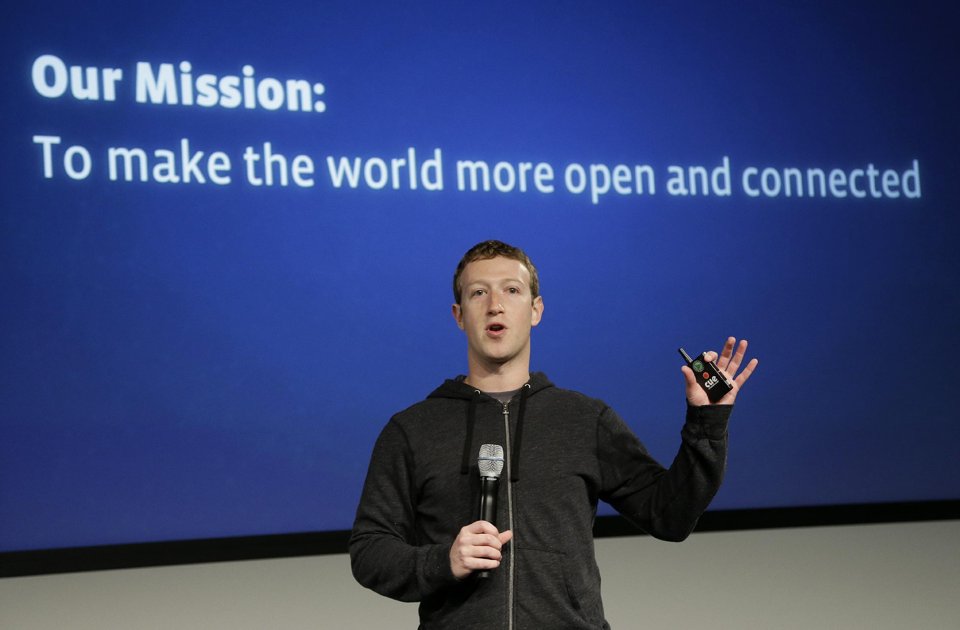
The protest movement against Mark Zuckerberg’s Internet.org has swelled to its breaking point. What was once thought of as an altruistic campaign to spread the benefits of the internet has now been demonized as the antithesis of free speech and net neutrality. Mark Zuckerberg’s perception has evolved from philanthropic savior to Big Brother.
Yesterday, 67 digital rights groups from around the world wrote an open letter to Zuckerberg, pointing out how Internet.org violates net neutrality, freedom of expression, equality of opportunity, privacy, and security. The letter that bashed Zuckerberg for his violation of freedom of expression was rather ironically posted on Facebook. The letter was signed by organizations across five continents.
Frightened by the uproar in India, Indonesian telco XL Axiata quit the program. Facebook instead partnered with competing telco Indosat.
I’ve spent the last three years of my life in China, a country with the most advanced cyber police force and closed-off internet in the world. Having seen first hand the effects of online censorship, I want to tell all of the protesters out there one important fact that they seem to ignore:
Some internet is better than no internet.
True, Internet.org partners with private telcos that give a very limited and deliberate taste of what the real internet has to offer. A select few companies, Facebook in particular, stand to benefit. The scheme lacks the free market economics that make the internet what it is, and stamps out potential competition.
These are all issues that the Chinese internet – which censors Facebook, by the way – also suffers from. And despite this, the Chinese people have reaped a huge bounty of progress using what little they are given. While it could be better, few would argue that the people of China would be better off today with no internet at all.
As Zuckerberg himself stated, "Eliminating programs that bring more people online won’t increase social inclusion or close the digital divide. It will only deprive all of us of the ideas and contributions of the two thirds of the world who are not connected.” He goes on to clarify that Internet.org will never block or throttle any other services or create fast lanes.
What’s more, countries where Internet.org has launched have something China doesn’t have: alternatives. No one is forcing the people of Indonesia and India to use it. People who can afford real internet are more than able to continue paying for a subscription, and most probably will. For those who can’t afford it, Internet.org offers a way to at least partially close the digital divide between the haves and have-nots. Internet.org is not here to replace your internet, but to complement it.
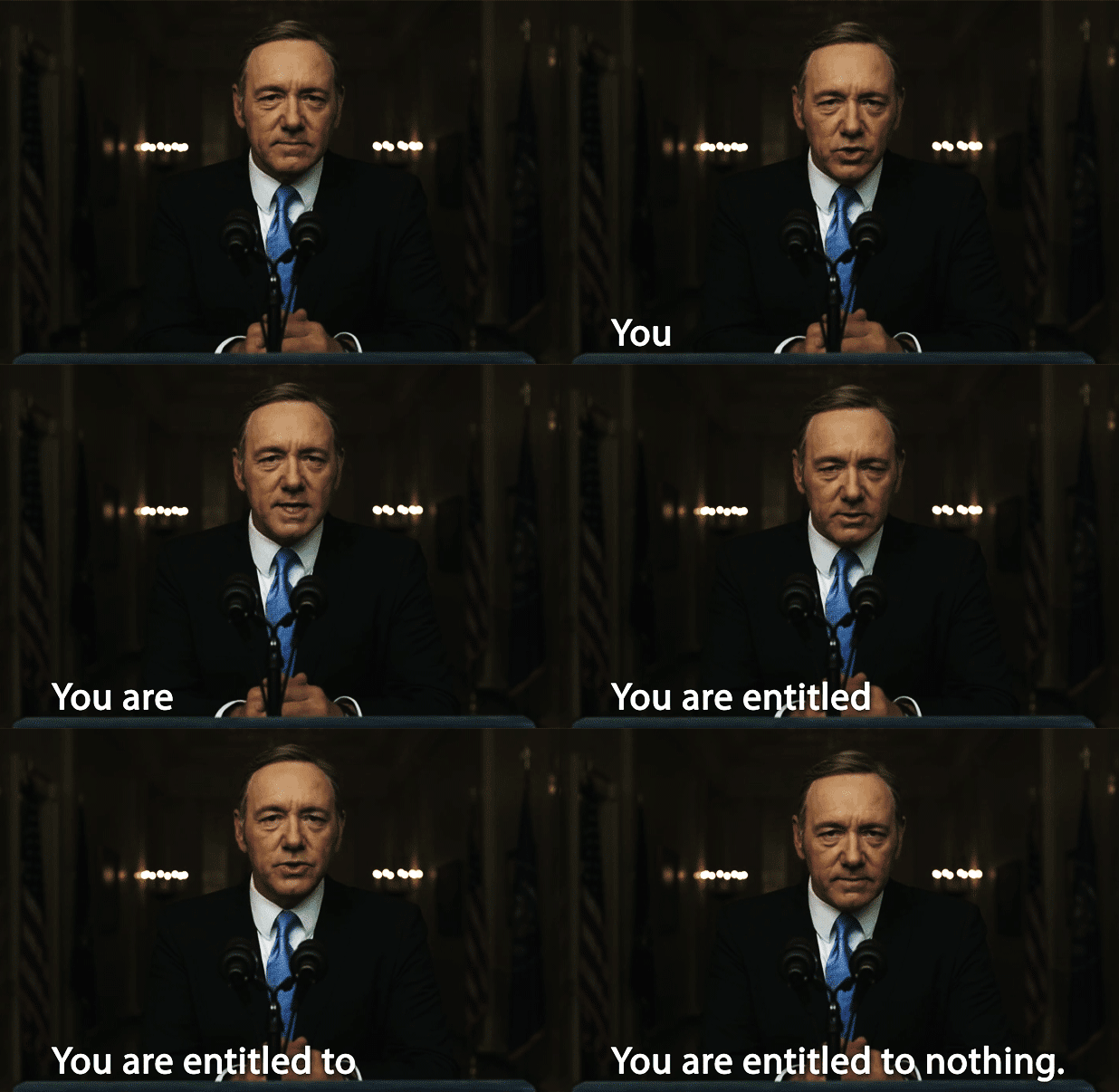
So when I see anti-Internet.org hashtags on social media, blog posts bashing Zuckerberg as some sort of underhanded imperialist, and forums like Save The Internet and IT for Change on the offensive, I’m taken aback. These of course are all people who already have access to the internet, not the unconnected that Internet.org is meant to help. The sense of entitlement is astounding, as if Zuckerberg is responsible for giving developing nations the complete unabridged version of the internet free of charge, and nothing less is acceptable.
But here’s the Frank (pun intended) truth:





Stay updated on the go with our mobile app.
Get latest insights with smoother, more personalized experience through TIA mobile app.