Yanting Sim · · 6 min read
How Grab runs its data science team
This week, Tech in Asia Jobs shares insights into how successful companies operate, hire, and more.
While many are familiar with ride-hailing app Grab, few of us really know what happens after we hit “book.”
Different teams work the magic to deliver the ride, but I was interested in how data science fits into all of this. So I sat down with Lye Kong-wei, Grab’s head of data science, to find out more.
Making sense of the data Grab collects
Grab hails from Malaysia, starting off as MyTeksi in 2012. In six short years, it has grown into a billion-dollar startup and a top contender in Southeast Asia’s private car-hailing space.
Around 3.5 million rides are booked on the app daily, generating over 10 terabytes of data on the platform each day. More than 60 employees work in the data team in Singapore to make sense of the data and use insights gathered to improve the Grab experience.
The team is expected to expand by 50 percent at the end of 2018.
The data team at Grab
The data team at Grab is divided into two: the data engineering team and the data science team.
The data engineering team manages Grab’s data warehouses, builds its pipelines, and ensures that other data teams get data in a form they can readily use.
Headed by Lye, the data science team is made up mostly of researchers working on models and algorithms to translate research into product features.
“From the moment a passenger opens the Grab app to the time a vehicle arrives, data science powers the thinking and decision-making on the most efficient routes, travel time, and price point. These collectively work to make a safe and convenient commuting experience for both drivers and passengers,” says Lye.
There are around 30 people in the data science team. It’s currently based in Singapore, but there are plans to expand to other countries where Grab operates.
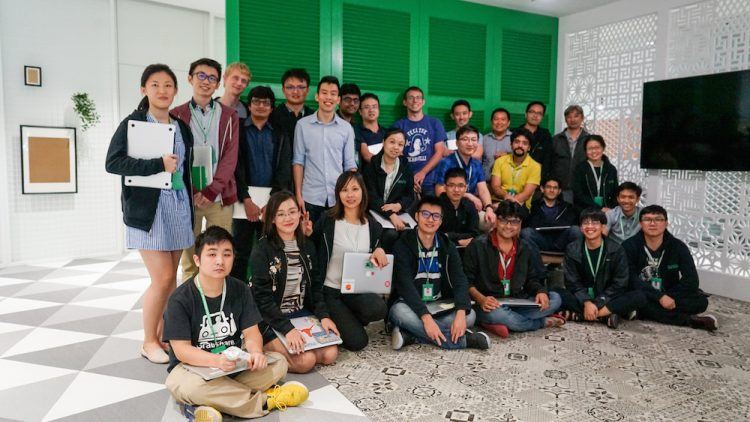
Grab’s data science team. Lye is at the back, on the far right. Photo credit: Grab
Team structure and dynamics
Grab’s data science team is made up of five groups focused on specific areas.
1. Machine learning
Case study
Challenges
Hiring data scientists at Grab





Stay updated on the go with our mobile app.
Get latest insights with smoother, more personalized experience through TIA mobile app.