Erik Crouch · · 2 min read
Didi Kuaidi just raised another billion dollars – now valued above $20b
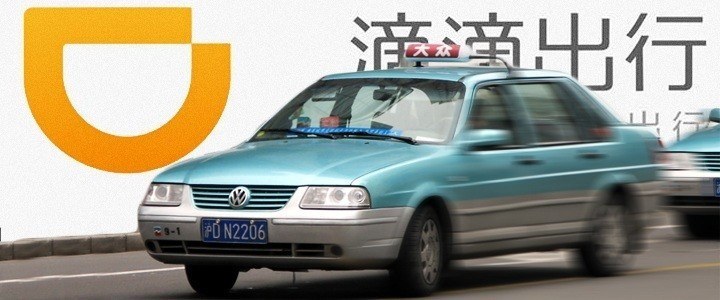 Didi Kuaidi, Uber’s most serious competitor in China, has raised an additional US$1 billion in funds, and has upped its valuation to more than US$20 billion.
According to Bloomberg, the deal is still not yet finalized, but was confirmed by sources within the company.
This is Didi’s first big fundraising headline of 2016. In September of last year, the company closed Asia’s biggest funding round of 2015, raking in a gargantuan US$3 billion from the likes of China Investment Corp, Ping An Ventures, Alibaba, Tencent, and others.
More money, more subsidies
There is no word yet on the participants of Didi’s latest round, but the company has good reason to feel confident – per its last public figures, Uber’s China branch was valued at just US$7 billion. With its unspecified but “more than US$20 billion” valuation, Didi is now worth about three times as much.
And this is a field where fundraising is of life-or-death importance. Much of China’s ride-hailing market has devolved into a subsidy war: if you can give discounts to riders or bonuses to drivers, you gain marketshare.
Both Uber and Didi have been burning through cash like it’s going out of style.
That’s why both Uber and Didi have been burning through cash like it’s going out of style. Uber CEO Travis Kalanick recently said that the company spent US$1 billion in China last year, and a huge proportion of that money went towards driver and passenger subsidies.
It’s still too soon, however, to say that this race is Didi’s to lose. While the company may be worth about three times as much as Uber China, it has a presence in seven times as many cities – about 400, compared to Uber’s 55.
This raises an alarm that Didi could be spread too thin – while it has a raw numbers advantage over Uber in its presence throughout China, it won’t be able to invest as heavily in each of its cities without running a serious deficit.
But this is all open to change. Uber is working its way towards a presence in 100 Chinese cities by the end of the year, and may hold another round or two of fundraising before 2017. Didi, in the meantime, will continue to lead the global Anti-Uber alliance – something that may spell trouble for Uber as the year goes on.
Editing by Terence Lee
(And yes, we’re serious about ethics and transparency. More information here.)





Stay updated on the go with our mobile app.
Get latest insights with smoother, more personalized experience through TIA mobile app.