 Kyle Johnson · · 6 min read
Beyond the bench: How HKSTP is driving biotech innovation

Summary:
- Hong Kong is a global powerhouse in healthtech, leading the world in healthcare IPO fundraising in the first half of 2025.
- The Hong Kong Science and Technology Parks Corporation (HKSTP) is central to the city’s healthtech startup ecosystem, with its enhanced Incu-Bio Programme playing a key role in nurturing and accelerating the growth of biotech and healthtech startups.
- Explore how HKSTP supports the growth of tech and startups in Hong Kong and beyond.
Hong Kong is cementing its status as a global powerhouse for healthtech innovation.
In the first half of 2025, the city led the world in biotech IPO fundraising, with 10 issuers raising a staggering US$2.1 billion. That made the city the second-largest biotech market globally after the US.
This success is bolstered by regulatory reforms like Chapter 18A, which have made it easier for biotech firms looking to go public by enabling the listing of pre-revenue companies.
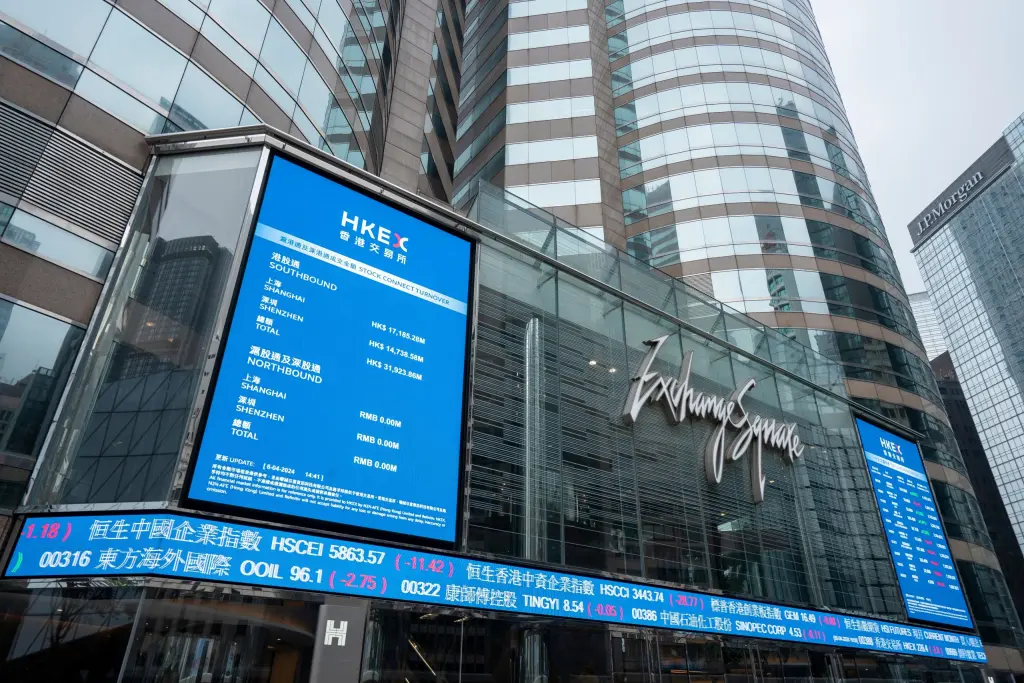
Photo credit: Shutterstock
For younger startups, the city is a thriving hub of incubators and investors, and at the heart of this ecosystem is the Hong Kong Science and Technology Parks Corporation (HKSTP).
On October 9, 2025, HKSTP celebrated a new milestone with the launch of its enhanced Incu-Bio Programme, a dedicated incubation track for biotech and healthtech startups.
“This launch marks a pivotal moment for both HKSTP and Hong Kong’s burgeoning biotech ecosystem,” says Derek Chim, head of startup ecosystem and development at HKSTP.
“The enhanced Incu-Bio Programme is our commitment to nurturing the next generation of innovators who are tackling some of the world’s most pressing health challenges.”
The launch ceremony showcased the program’s new comprehensive support package designed to accelerate innovation from the laboratory to the patient’s bedside, solidifying its role as a key enabler of the city’s biotech boom.
A refined framework for a golden era
“The path from brilliant scientific ideas to real-world impact is very challenging. This is where HKSTP comes in – to help innovators overcome these barriers,” says Terry Wong, CEO of HKSTP. That’s why targeted support in the region’s biotech ecosystem is crucial.
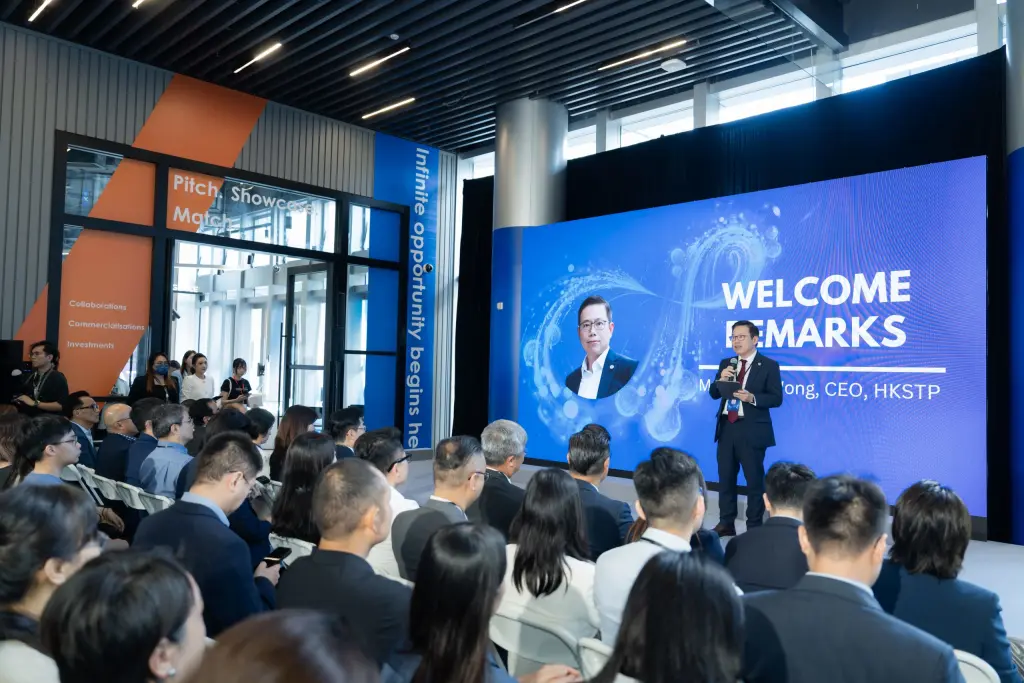
Terry Wong, Chief Executive Officer of HKSTP / Photo credit: HKSTP
First launched over 15 years ago, the Incu-Bio Programme has cultivated over 100 startups. The latest upgrade – dubbed Incu-Bio 2.0 – introduces a framework to provide more targeted support.
Called “FUEL,” the blueprint is built on four pillars designed to bolster a startup’s journey:
- Follow: Continuous guidance from a network of over 300 expert mentors to facilitate earlier and deeper specialization.
- Upskill: Capability-building through targeted workshops and training sessions.
- Expose: Market exposure via demo days, trade shows, business and investor networking, and promotion campaigns.
- Link: Connecting to crucial funding sources, regulatory support, and corporate partners.
The program also includes access to over 25,000 sq ft of new Biosafety Level 2 laboratories, funding of up to HK$39.7 million (US$5.1 million) per company, and co-incubation opportunities with multinational corporations like Amgen, Merck, and Roche. Wong emphasizes that Incu-Bio is the dedicated and result-driven incubation program in Hong Kong and Asia designed specifically to empower biomedical startups.
By providing this end-to-end support system, the program helps startups overcome technical hurdles faster, access cutting-edge technologies, and lower the initial barriers to entry, enabling them to scale up and enter global markets with greater speed and confidence.
“Hong Kong is entering a golden era of life and health technology innovation,” says Chim. “We recognized that startups require more than early-stage grants – they need a goal-driven, partnership-focused journey from bench to bedside.”
He adds: “By integrating clear milestones, co-creation with industry leaders, and end-to-end infrastructure, Incu-Bio 2.0 addresses R&D bottlenecks and accelerates global market entry.”
Success stories: From bench to bedside
The impact of the Incu-Bio Programme is best seen through its startups. Among the rising stars is Agilis Robotics, a firm that is transforming minimally invasive surgery with a set of highly flexible robotic instruments.
“The success of removing early-stage tumors in one piece – or en-bloc resection – is severely limited by conventional surgical instruments,” explains Justin Ho, co-founder and COO of Agilis Robotics.
“Our mission is to empower surgeons to easily and intuitively remove cancers in the bladder and gastrointestinal tract – all without any external incisions.”
Performing this complex procedure through the body’s natural openings is a game-changer for patients, leading to incision-free treatment that minimizes scarring, reduces the risk of tumor recurrence, and allows for faster recovery.
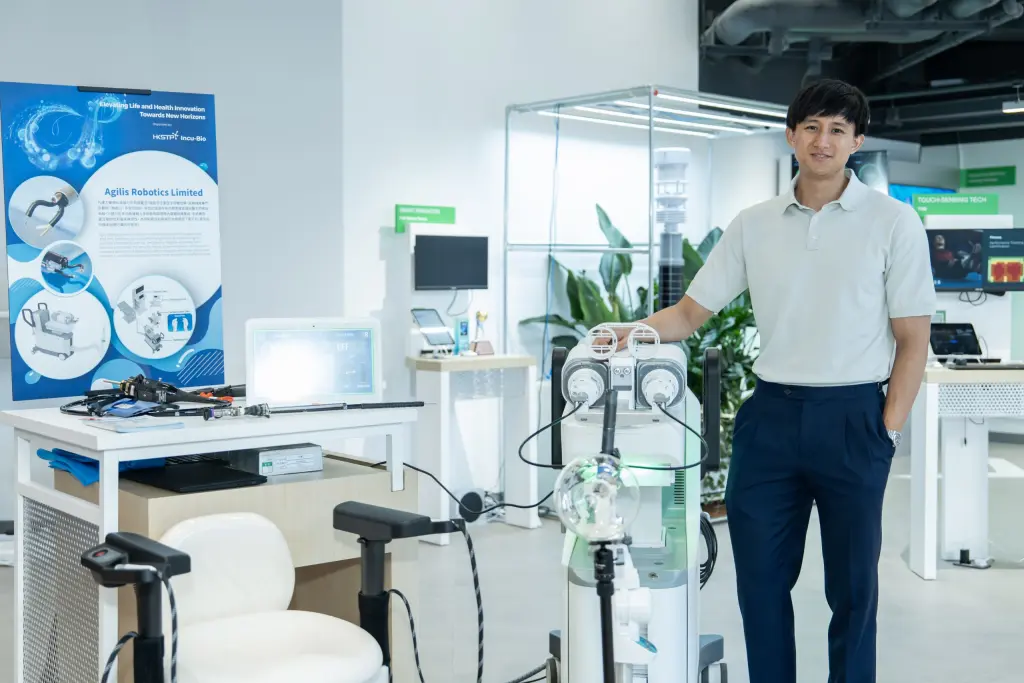
Justin Ho, co-founder and chief operating officer of Agilis Robotics / Photo credit: HKSTP
A spin-off from the University of Hong Kong, Agilis Robotics joined the program to turn its research into real-world solutions.
Signing up for the initiative was “a major step for us,” says Ho. “HKSTP provided comprehensive support across key areas, from funding and lab space to connecting us with investors.”
This enabled the company to achieve a world-first: completing the first robot-assisted en-bloc resection of bladder tumors in patients.
Find out exactly how the Incu-Bio Programme can help your startup.
Another startup in the program, Endovision, obtained crucial non-financial support from its participation.
The company is tackling one of the leading challenges in diagnostics: human error caused by blind spots. Its AI-powered software integrates with endoscopic imaging systems in real-time to standardize the quality of examinations and help clinicians identify potential abnormalities that might otherwise be missed.
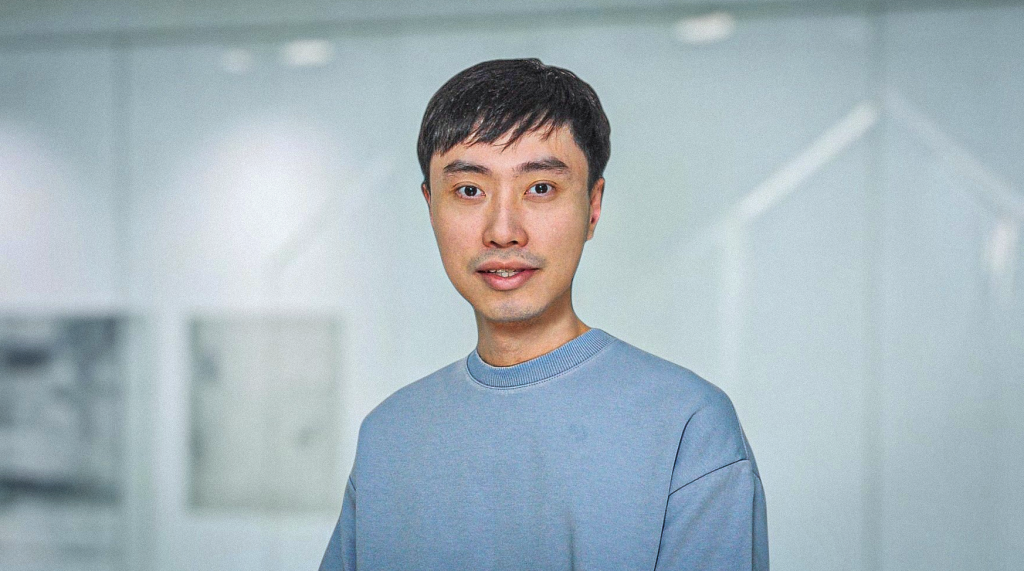
Saurabh Jejurikay, the company’s co-founder, says that the mentorship the team received was vital in helping it navigate complex areas like regulatory approvals and business planning, while the HKSTP ecosystem offered access to talent, labs, and hospitals.
“We are often scientists or engineers, not necessarily business or regulatory experts,” he adds.
“It’s that kind of targeted support that addresses the specific shortcomings of a young startup and allows you to focus on the innovation,” he notes.
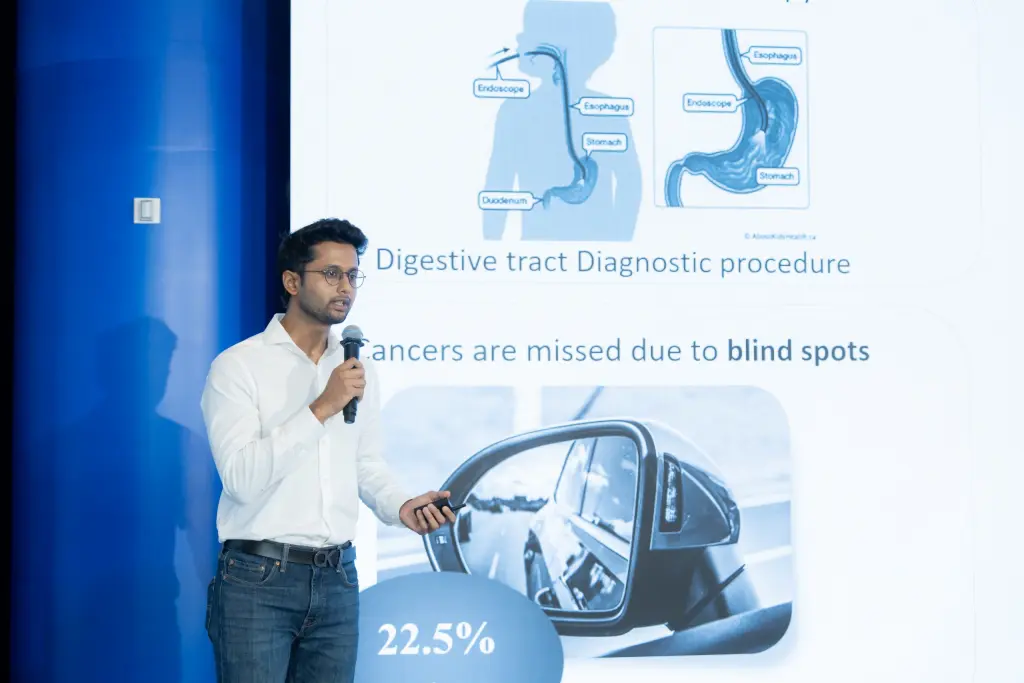
Saurabh Jejurikay, co-founder of Endovision / Photo credit: HKSTP
Other Incu-Bio graduates making waves include the AI and Life Sciences Institute, which uses proprietary AI models to accelerate drug discovery, as well as DanausGT, a gene-editing company developing therapies for genetic disorders and cancers. Another example is Syngular, which combines AI and extended reality to create 3D holographic models for surgical guidance.
The success of these diverse companies is a clear indication of the program’s strength in fostering breakthrough innovation across the healthtech spectrum.
The future of Hong Kong’s biotech space
With the launch of its enhanced Incu-Bio Programme, HKSTP is doubling down on its mission to cultivate a world-leading healthtech hub.
“We envision Hong Kong as Asia’s leading life and health innovation hub, leveraging our city’s unique advantages of world-class research talent, a vibrant capital market, and close ties to the Greater Bay Area,” says Chim.
By continuously optimizing its initiatives, HKSTP aims to strengthen the entire “bench-to-bedside” pipeline, ensuring that the next generation of life-saving innovations can find the support they need to succeed.
For business leaders and investors ready to shape the future of healthcare, the opportunity for collaboration is now.
Connect with HKSTP to partner with visionary companies building a healthier world.
This content was produced by Tech in Asia Studios, which connects brands with Asia’s tech community. Learn more about partnering with Tech in Asia Studios.
Stay updated on the go with our mobile app.
Get latest insights with smoother, more personalized experience through TIA mobile app.
Recommended reads
 AI hiring heats up in Singapore
 SaaS is dead, long live SaS
 An AI co-pilot for scientists designing new biomaterials
 Can remotely operated excavators fix construction’s labor gap?
 Why SEA won’t shake in an AI bubble pop
 The geopolitics of AI in India
 Israel hits the high notes
 Has Southeast Asia reached its AI inflection point or stalled at pilots?
 Thailand’s healthtech gap could spark regional opportunity
 Cortex AI nets $6m to collect real-world data for robots





Editing by Stefanie Yeo, Jonathan Chew, Winston Zhang, and Jaclyn Tiu
(And yes, we’re serious about ethics and transparency. More information here.)





