- Premium Content It takes our newsroom weeks - if not months - to investigate and produce stories for our premium content. You can’t find them anywhere else.
 Shadine Taufik · · 6 min read
CapCut could be ByteDance’s next cash cow
Updated (Dec. 1, 11:30 a.m. SGT): This article was updated to reflect that the download figures represent a combination of CapCut and Jianying.
The so-called “velocity edits” have set fans on Twitter and TikTok on fire. This method lets users speed up and slow down parts of clips featuring their idols, creating a visual effect reminiscent of professional music videos. Indeed, the advent of accessible video-editing tools has allowed users to compose their own cinematic content.
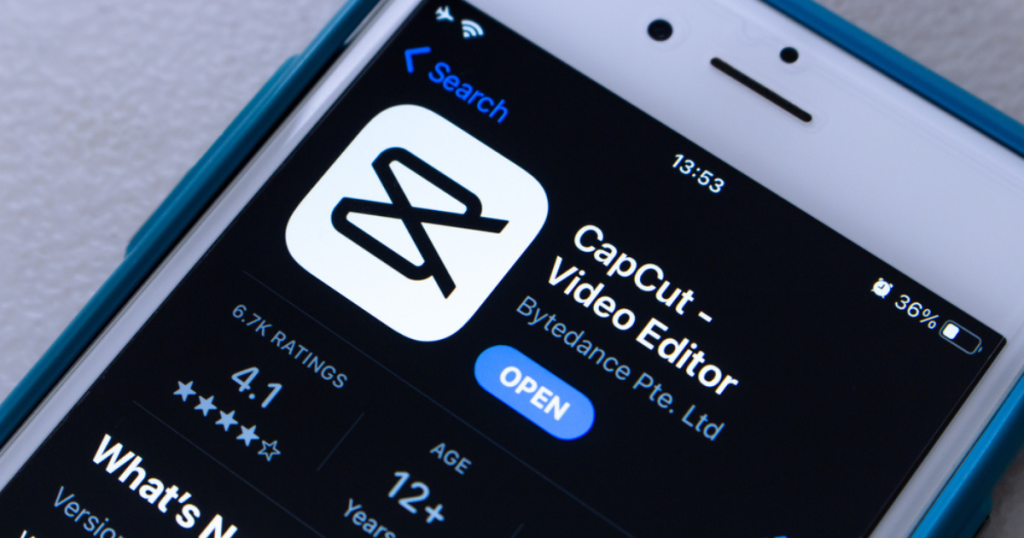
Photo credit: Koshiro K / Shutterstock
With over 11 million worldwide downloads in September alone, CapCut and its Chinese counterpart Jianying’s star continues to rise as it gained the highest number of monthly active users (MAUs) in its category worldwide. The video-editing app was developed by ByteDance, the Chinese tech titan and parent firm of short-video platform TikTok.
According to Data.ai, CapCut ranks first in the video-editing app category in terms of downloads and MAUs on the App Store in key Southeast Asian markets. It is also within the top four spots on Google Play Stores in the region. However, it’s not known just how much CapCut contributes to the revenue of its parent – ByteDance didn’t disclose any details to Tech in Asia.
That said, monetization doesn’t seem to be a grave concern for now as ByteDance appears to be on the path to profitability. While its financials are still in the red, its revenue for the first quarter of 2022 was US$18.3 billion, up 54% compared to the same quarter in 2021. Also, its net loss for the period was down 84%.
The partnership with TikTok is the key driver for CapCut’s success. Since its international launch in 2020, CapCut’s usage and brand recognition has skyrocketed in tandem with TikTok’s adoption. The video-editing tool is also attractive even to those who aren’t on TikTok as it can be used on other platforms including Instagram.
“We are seeing CapCut users post their videos across various social media platforms,” a ByteDance spokesperson told Tech in Asia in an email response.
To top that off, CapCut pays those enrolled in its creator program – available in Indonesia – since others on the platform can use the templates made by creators. One user says he makes nearly US$4,500 a week by simply uploading CapCut video edits and onboarding more creators, but he also noted that payout sizes may vary.
Putting a cap on cashing out?
Despite its popularity, CapCut may still fall short of its monetization plans because its free features are sufficient for most users, while its subscription-only functions are not enticing enough.
CapCut offers a suite of free basic editing features on both its desktop and mobile interfaces, such as text, music, voice-overs, cuts, and filters. This gives users enough tools to produce content that fits into TikTok’s visual culture.
One user explained that while CapCut Pro offers added functionality and cloud space via monthly and yearly subscriptions plans ranging from US$0.64 to US$77.23, these features are not fundamental for editing a video.
Standing on a giant’s shoulders
Doubling down on monetization
Virality becomes video-first
Stay ahead in Asia’s tech landscape
This is premium content. Subscribe to read the full story.
TikTok’s sister app CapCut has dominated its category for the past year, but can the video-editing platform further monetize its audience?
We know this is not ideal. ⌛ Sign up in 20 seconds. Cancel anytime.
Our subscriber community includes professionals from these companies:





Stay updated on the go with our mobile app.
Get latest insights with smoother, more personalized experience through TIA mobile app.











📅 Upcoming Events
22 October 2026
Payoneer x CSPN Summit 2026