- Premium Content It takes our newsroom weeks - if not months - to investigate and produce stories for our premium content. You can’t find them anywhere else.
 Emmanuel Samarathisa · · 5 min read
Boost battles bad loans as potential stake sale looms
Boost Holdings, the fintech subsidiary of Malaysian telco major Axiata Group, is facing millions in bad debt that could put Boost Bank under the regulatory microscope, sources tell Tech in Asia.
Boost Holdings owns a 60% share in Boost Bank while RHB Bank holds the remaining 40%. Established in January 2024, Boost Bank was one of the first digital banks that received a license from Bank Negara Malaysia (BNM) – the country’s central bank – in 2022.

Image credit: Timmy Loen
Axiata Digital Credit (ADC), a subsidiary of Boost Holdings, racked up US$5.9 million in bad debt, according to its 2023 annual report. ADC’s assets for 2023 stood at US$66.7 million.
In a statement sent to Tech in Asia, Boost Holdings said its loan portfolio did face stress in 2023, but it has since rolled out measures that caused its “asset quality” to revert to the firm’s historical average.
Despite this improvement, the fintech firm is still dealing with some fallout. Part of its bad debt comes from a US$2.3 million loan it made to Wonder 7, a Kuala Lumpur-based distributor of health products, and Mirica, a Malaysian provider of skin creams.
See also: Malaysia’s digibank race heats up: 3 things to watch
ADC is suing both companies as well as Wonder 7 founders Eric Khor and Ivan Gan in their private capacity for allegedly breaching the loan agreement. ADC is seeking damages for fraud, breach of fiduciary duty, and other charges.
Based on court documents, ADC claims that Wonder 7 purportedly used the funds for fraudulent activities, including lending the money to other people. This was not part of the deal, and the funds were meant for product purchases to grow the business, ADC argues.
Khor and Gan have been accused of using their companies “as a vehicle to perpetuate the fraudulent scheme … and to avoid personal liability,” according to ADC’s affidavit. Both founders are contesting the claims.
Keeping NPLs in check
ADC’s efforts to recover its bad debt has put a spotlight on Boost Holdings’ ability to keep non-performing loans (NPLs) below the 4% industry benchmark. The overall NPL ratio among Malaysia’s banks was 1.6 % as of August 2024, according to research from data company CEIC.
Based on ADC’s financial report, the company’s bad debt of US$5.9 million accounts for roughly 12% of its total loan of US$49 million for 2023.
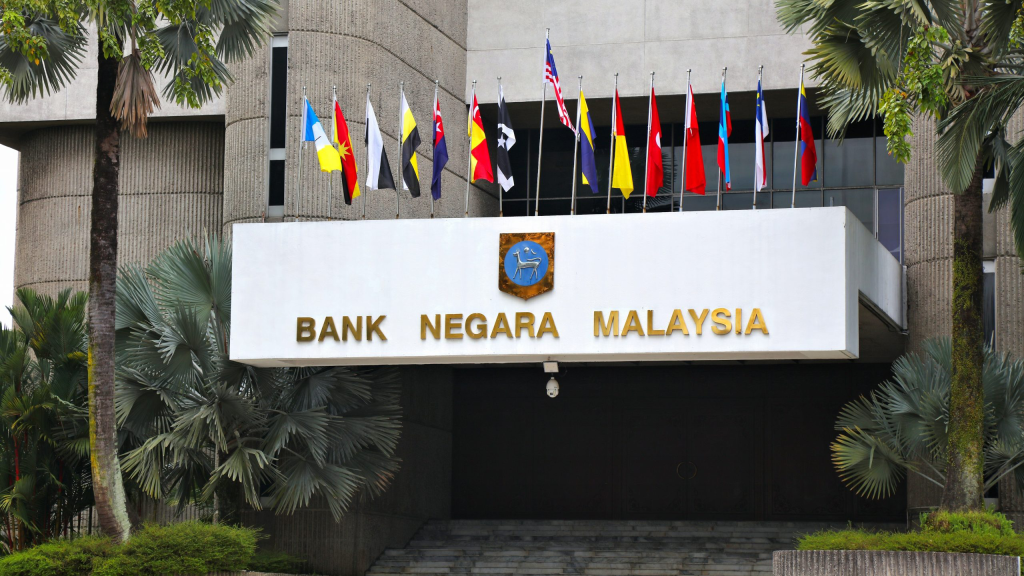
Photo credit: Tupungato / Shutterstock
Building a unicorn?
Stay ahead in Asia’s tech landscape
This is premium content. Subscribe to read the full story.
The fintech business of a Malaysian telco major reported US$5.9 million in bad loans and is suing to recover about US$2.3 million.
We know this is not ideal. ⌛ Sign up in 20 seconds. Cancel anytime.
Our subscriber community includes professionals from these companies:





Stay updated on the go with our mobile app.
Get latest insights with smoother, more personalized experience through TIA mobile app.