 Steven Millward · · 3 min read
Hugo Barra explains why Xiaomi’s newest phone took 2 years to develop
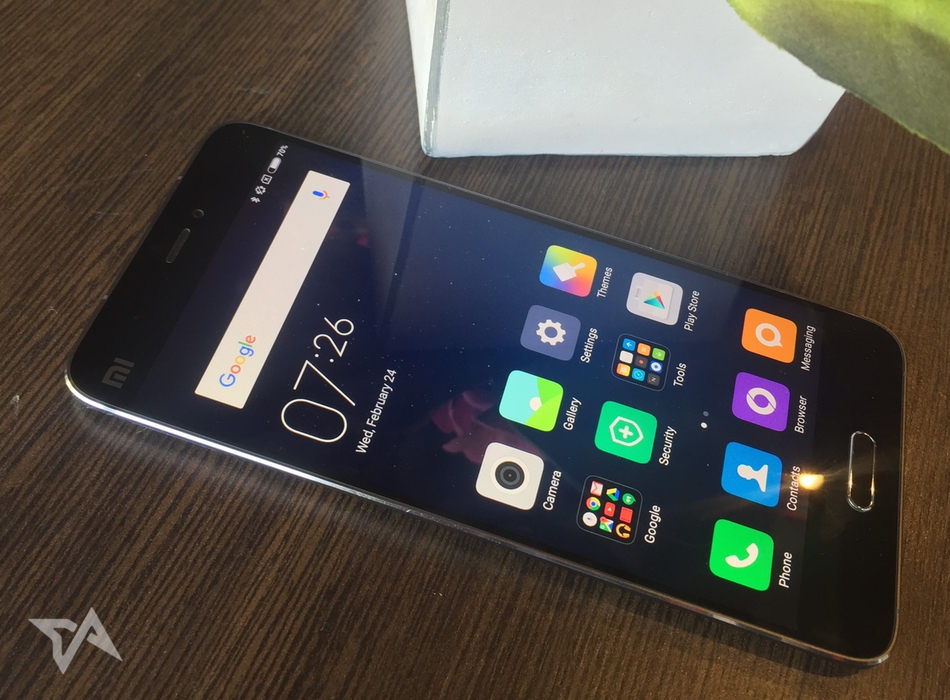
The new Xiaomi Mi5, pictured this morning.
Xiaomi’s Mi5, unveiled this morning, was way overdue. In an era of annual product cycles for smartphones, the important Xiaomi flagship before it, the Mi4, was 18 months old when it was finally outranked and replaced this week.
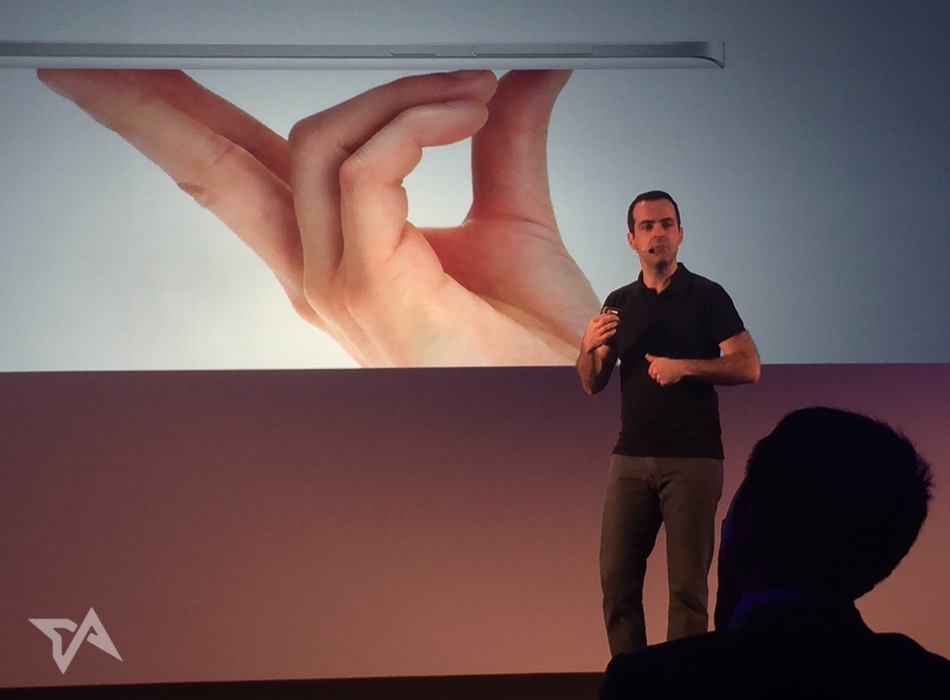
Hugo Barra, Xiaomi’s VP of international stuff, revealed today that the startup “spent two years designing the Mi5.” He said Xiaomi took time to get the Mi5 right, engaging in a battle against the “compromises” and “trade-offs” usually seen in phones.
The Mi5 avoids the dreaded rear camera protrusion.
Barra was talking to an assortment of media and Xiaomi fans at an event in Barcelona, Spain, on the sidelines of the Mobile World Congress.
The ex-Google exec said the elephantine gestation period was worth it, giving the Mi5 better battery life than rival phones of a similar size whilst still keeping it lighter than those other devices. Another trade-off was avoided with the camera, which Barra believes looks great tucked up in the top corner of the phone and without the dreaded camera protrusion seen on many other smartphones. That’s despite the Mi5 having image stabilization, which adds a little bulk to the camera module.
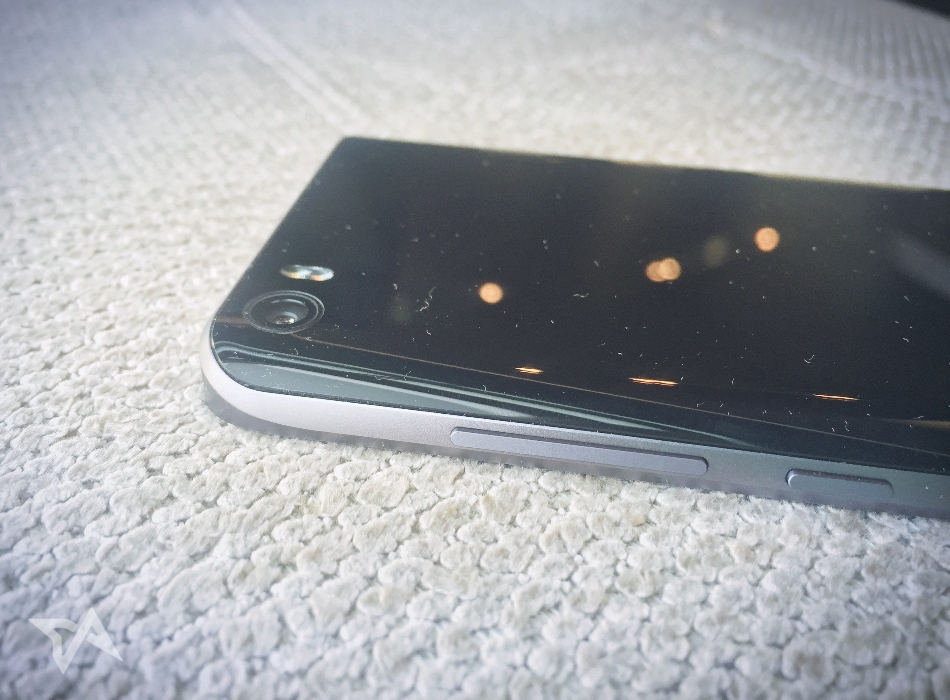
Preventing the camera from sticking out was “a major design challenge,” he stated.
While Barra praised the “excellent” iPhone and top-end Samsung smartphones, he said the Mi5 has avoided a bunch of compromises and pitfalls seen with those gadgets. Another example he gave: the bezel. The Mi5 packs a 5.15-inch screen into a chassis the same size as an iPhone 6s. Apple’s junior iPhone has a 4.7-inch screen.
“Nit-picky design is essential for devices to be beautiful,” he said, almost relishing the chance to lecture Apple and Jony Ive on good design principles.
The Mi5 weighs 129 grams, making it 14 grams lighter than the iPhone 6s.
A changing market
The Mi5 comes at a rough time for Xiaomi. Growth has slowed right down, rivals have now got the hang of making affordable phones that feel premium rather than trashy, and consumers in the important China market are trading up to the much-desired iPhone as well as top-end devices from the likes of Huawei.





Stay updated on the go with our mobile app.
Get latest insights with smoother, more personalized experience through TIA mobile app.












📅 Upcoming Events
22 October 2026
Payoneer x CSPN Summit 2026