 Li Tao · · 3 min read
Huawei increased first-half revenue despite US trade ban, chairman says
Huawei Technologies, the world’s largest telecommunications equipment supplier, increased revenue in the first half of this year, despite a US government-imposed trade ban and continued scrutiny overseas about the security of its 5G network products.
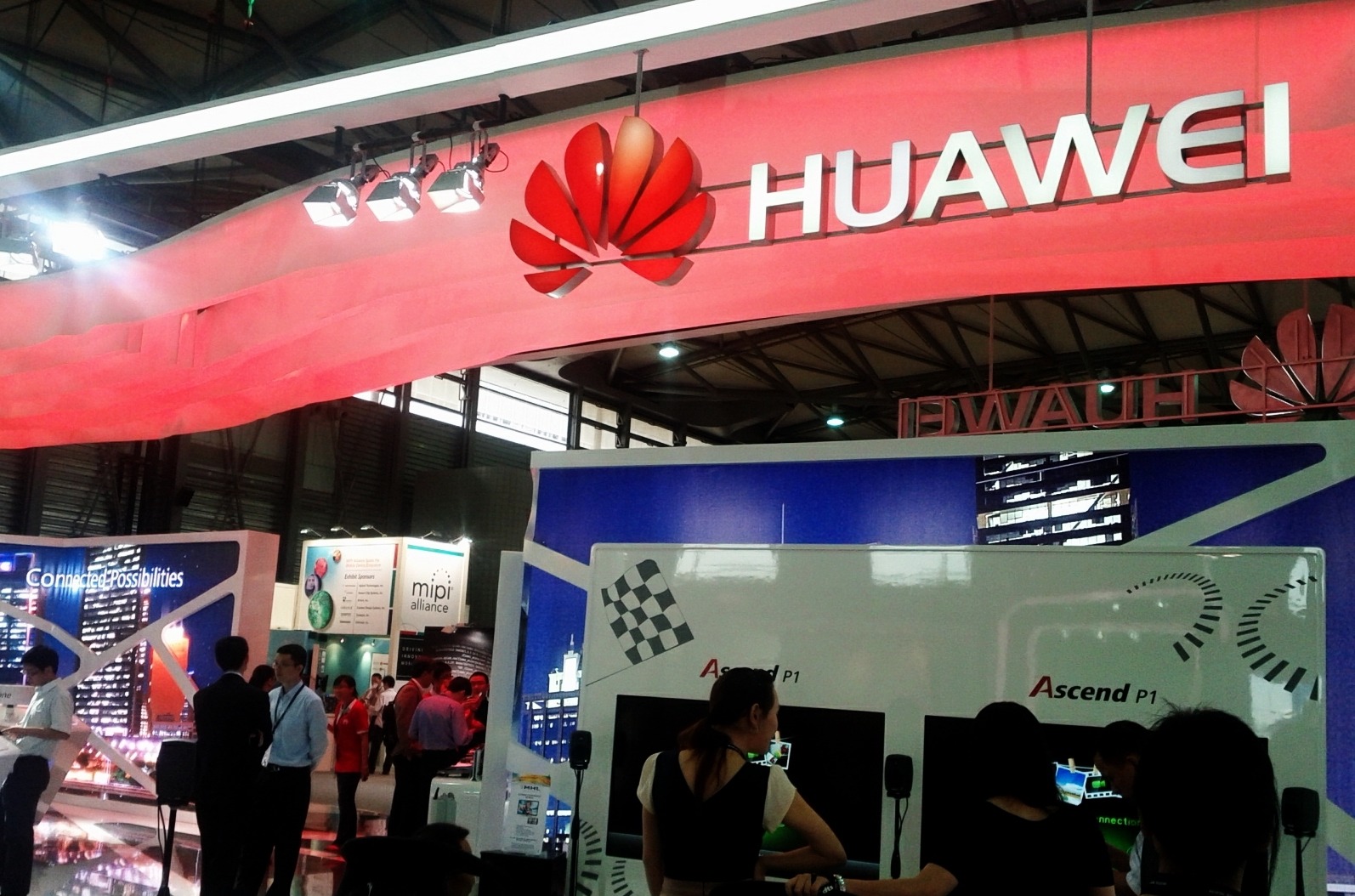
Photo credit: Tech in Asia
“Huawei’s entire businesses ran smoothly [since that ban],” said company chairman Liang Hua, who declined to provide specific figures, at a press conference in Shenzhen last week.
The privately held company, which is expected to announce its financial performance for the first six months of this year on July 30, was put on a trade blacklist – known as the Entity List – in May by the US Department of Commerce, citing national security concerns. That has effectively barred the firm from buying hardware, software, and services from its US high-tech suppliers.
“Adding Huawei to the Entity List was neither justified nor fair,” Liang said. “It is not enough to ease restrictions on some US suppliers. We should be removed from the list entirely.”
Liang’s comments followed the announcement by US Commerce Secretary Wilbur Ross on Tuesday that Washington will allow American companies to sell their products to Huawei so long as these would not pose a threat to national security.
The stakes are high for Huawei because the US trade ban was earlier estimated to wipe out US$30 billion of sales growth.
Its total revenue was expected to remain stagnant at around the US$100-billion level this year and in 2020, according to company founder and chief executive Ren Zhengfei during a panel discussion in Shenzhen on June 17.
Ren said last week that the US decision to relax the trade ban on Huawei will not have much impact on the company.
Last week, Monaco became the first country in Europe to launch a 5G network supplied by Huawei, despite US pressure on its European Union (EU) allies to ban the Chinese company’s equipment from their roll-out of next-generation mobile infrastructure over security concerns.
EU countries are expected to agree on collective measures to deal with potential spying risks from equipment made by Huawei by the end of this year, according to advisory body the European Economic and Social Committee.
Southeast Asian nations – including Singapore, Thailand, Malaysia, Indonesia, and the Philippines – have been reluctant to bow to US pressure and sever ties with Huawei.
Huawei, which is also the world’s second-biggest smartphone vendor, shipped 100 million handsets under the Huawei and Honor brands both domestically and abroad up to May 30, a milestone it did not achieve until July last year and September in 2017, the company said two weeks ago. Those shipments were made before the US ban came into effect.
Liang said Huawei’s self-developed mobile operating system, Hongmeng OS, was meant for so-called internet of things applications and that Google’s Android remained the preferred system to run on its smartphones. The name of Huawei’s self-developed OS was previously mentioned by founder Ren.





Stay updated on the go with our mobile app.
Get latest insights with smoother, more personalized experience through TIA mobile app.










📅 Upcoming Events
22 October 2026
Payoneer x CSPN Summit 2026