Raja Jamalamadaka · · 5 min read
Leadership lessons startups can learn from the mistakes of these 2 corporate giants
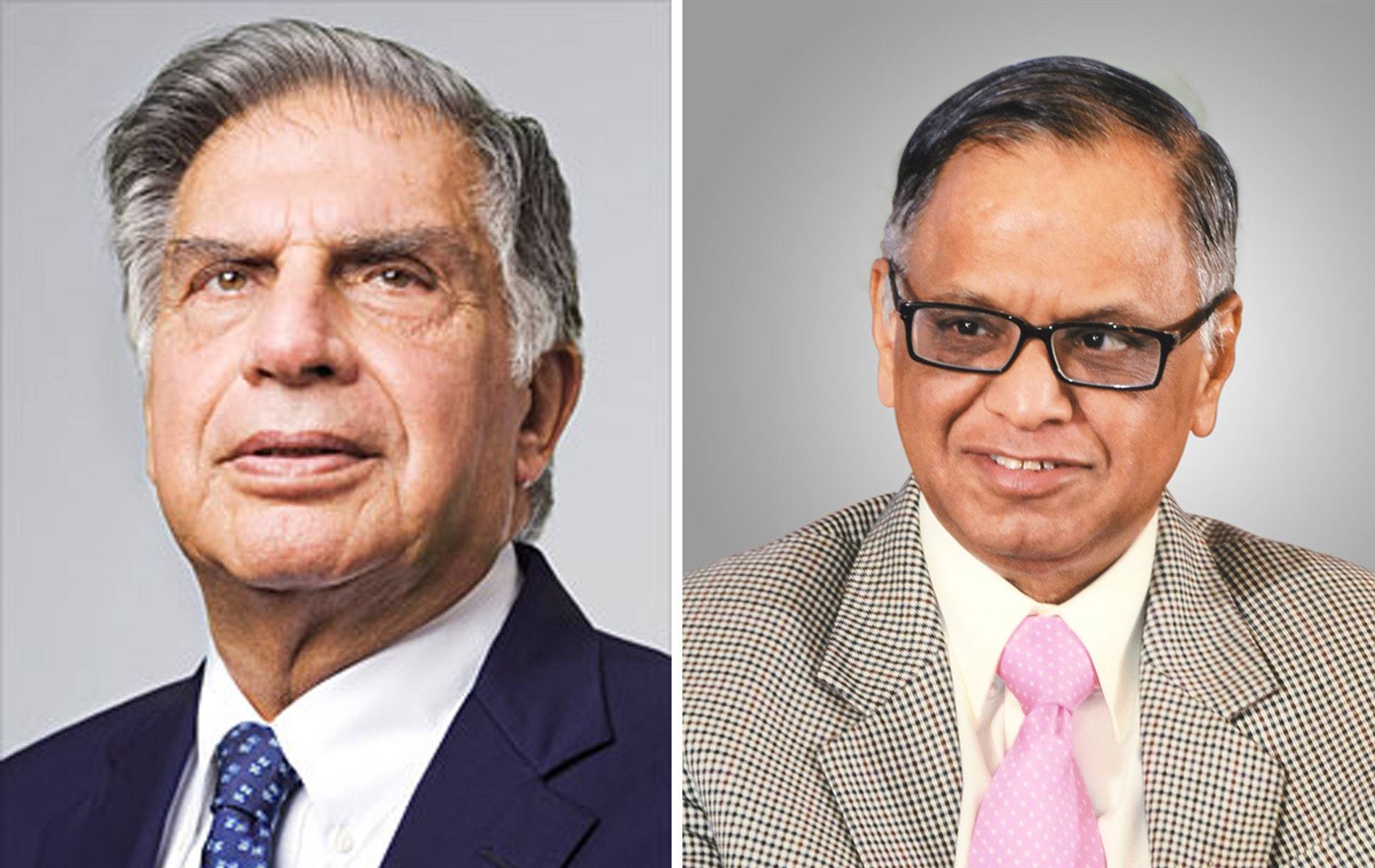
Former CEO Vishal Sikka has left Infosys but the uncertainties haven’t. If anything, they have multiplied and polarized the corporate world into taking sides. The entire episode has sullied the reputation of Infosys, its board, and co-founder Narayana Murthy himself.
A few months ago, we saw a similar outcome at the Tata group. The infamous spat with their former chairman, Cyrus Mistry, damaged Ratan Tata’s equally exalted status.
What leadership lessons can be drawn from these episodes?
The organizations and the leaders
Murthy and Tata aren’t just ordinary businessmen; they are rich, famous, successful, and widely well-respected role models to a generation of people and are regarded as textbook examples of leadership. The Harvard Business School (my alma mater) wrote a case study on Murthy’s philosophy of compassionate capitalism. Meanwhile, Tata, a Harvard Business School alumnus, was the recipient of its highest honor, the Alumni Achievement Award. The business houses they head are equally iconic.
With such profiles, both Tata and Murthy are right in holding their respective boards accountable for results. As the past chairman of Tata group, Tata had the right to raise questions if he sensed the group’s ethos and founding philosophy were being diluted. Likewise, Murthy is well within his rights to seek all disclosures from the board if he saw a dilution in corporate governance standards.
Were they wrong?
It wasn’t the very act of seeking responses or holding the board accountable that was unusual but their expectation of getting preferential and priority treatment over other shareholders and expecting their views to prevail that is suspect. Without a formal executive role, the percentage of shares is the only influential yardstick for anyone—promoters and others alike. Murthy and Tata clearly could not have expected any preference on that count. But this didn’t deter them from expecting ransom from their boards.
Not a universal trait
Lest this be considered a universal trait, the picture looks altogether different at Microsoft. Bill Gates, another global role model, founded Microsoft and took it to great heights before ceding control to the next layer. Gates continues to enjoy enormous success—now in his philanthropic role where he brings the same rigor that he brought to Microsoft—to improve global health outcomes. He has moved on from his Microsoft role and into his philanthropic role seamlessly.
Clearly, while Murthy and Tata had an expectation of a privileged status post retirement based on what they did pre retirement, Gates didn’t seem to have any such expectation. What tenets of leadership did Murthy and Tata miss out on that Gates didn’t?
The 3 stages of leadership
With the basic attributes like integrity, drive, and judgment in place, leadership success depends on three vital factors. Raw intelligence (IQ) is a necessity for leaders at all levels to survive and thrive, especially in business. As one advances and starts working with various stakeholders, however, emotional intelligence (EQ) becomes more important. Science journalist and New York Times reporter Daniel Goleman, through his research, found that above the IQ threshold of 120, EQ becomes a far more important factor in predicting leadership success than IQ. While IQ above 120 is welcome, it benefits only if accompanied by strong EQ qualities like interpersonal skills and team work. EQ takes IQ-driven leadership a notch higher.
Very high IQ without accompanying EQ leads to downfall at some point (as Travis Kalanick at Uber discovered painfully).
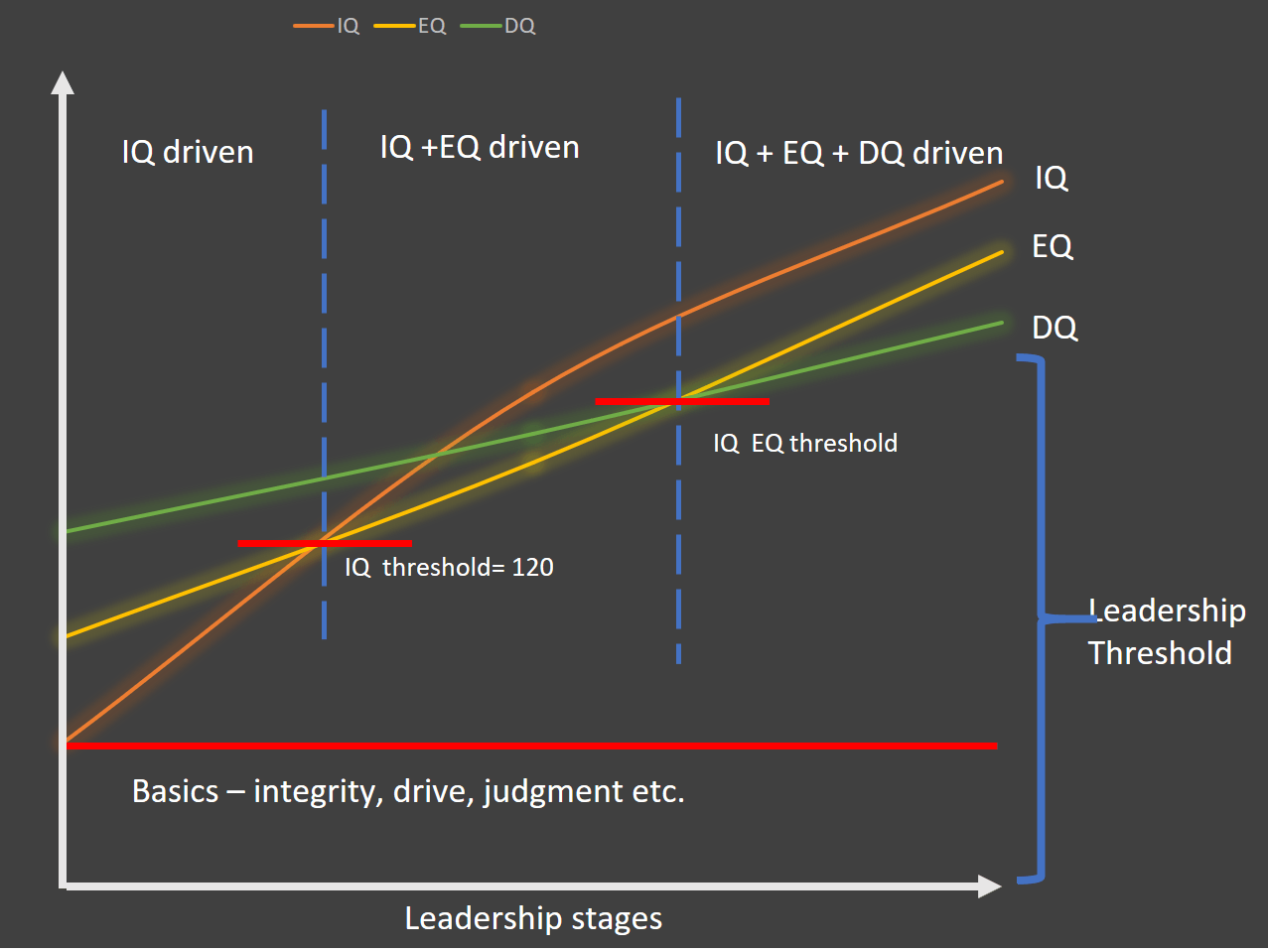
Almost all successful leaders have the right mix of EQ and IQ and realize when to yield one for the other. Both Murthy and Tata had the right mix of these attributes and their success is a visible proof of that.
The future





Stay updated on the go with our mobile app.
Get latest insights with smoother, more personalized experience through TIA mobile app.