- Insights This article was written by a TIA community member. Insights pieces undergo the same rigorous editorial process that newsroom-produced articles have.
 Alldo Fellix Januardy · · 6 min read
Indonesia’s $45m lesson for founders eyeing public office
On June 30, a court in Jakarta sentenced Nadiem Makarim, founder of tech platform Gojek and Indonesia’s former education minister, to 10 years in prison over corruption involving a school laptop program that specified using Google’s operating system. The verdict contains a number that should interest every founder in Southeast Asia.
Alongside the sentence, the court ordered Makarim to repay roughly 810 billion rupiah (US$44.8 million) to the state – the amount the court attributed to him as the group’s beneficial owner – or serve an additional five years. Within days, both sides appealed the verdict.
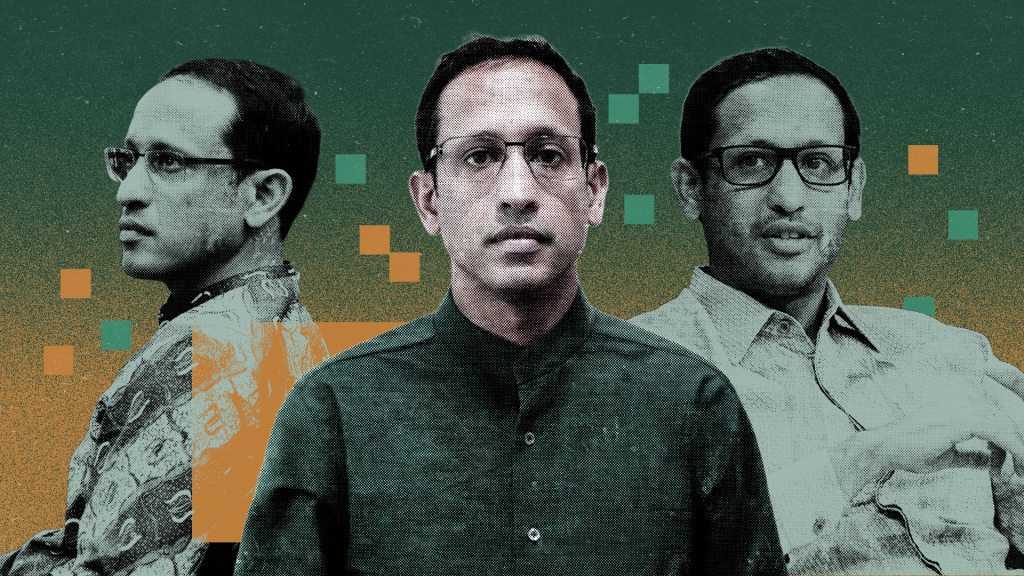
Image credit: Ulla
None of this happened in a political vacuum, and it would be dishonest to pretend otherwise. Makarim was the star recruit of former president Joko Widodo’s administration, and the prosecution unfolded under the next government, headed by President Prabowo Subianto.
Some regard the verdict as overdue accountability for a pandemic-era mega-procurement, while others see it as score-settling in legal dress. Makarim’s lawyers have gone as far as reporting four of the five judges on the case to Indonesia’s Judicial Commission.
See also: Indonesia’s Chromebook corruption probe, in visuals
Without legal clarity, every prosecution of a founder-turned-official will look political to some, while every defense will look like privilege to others. Even a pardon – if it ever comes – would arrive under suspicion.
Indonesian presidents also hold clemency powers. Last year, Subianto extinguished a former trade minister’s corruption case by abolition while its appeal was still pending.
Rather than focusing on Makarim’s case individually, we can look at it as a symptom of a bigger issue: Indonesia has never decided what should happen to a founder’s equity when they enter government. That’s a problem for founders and VCs who may one day wish to serve their country or find themselves working with the public sector.
In my own practice advising founders and high-net-worth families, I have learned that it’s better to prepare for these issues sooner rather than later. By the time a court is asking the questions, the answer is no longer yours to write.
The entry problem
According to the court judgment, Makarim resigned from his corporate roles before joining Widodo’s Cabinet in October 2019. The founder signed an irrevocable power of attorney and handed his voting rights in Gojek to two colleagues, but he retained his economic rights.
When measured against Indonesia’s existing ownership rules, that was compliance on Makarim’s part. Law No. 39 of 2008 on State Ministries bars a minister from sitting as commissioner or director of any company, but it says nothing about owning one.
All officials need to declare their wealth under the 1999 clean-governance law, a duty that the anti-corruption commission administers. Disclosure, and disclosure alone, is what this law requires, while the 2014 Government Administration Law asks officials to keep private interests out of individual decisions.
That’s the extent of what Indonesian law says. There’s no duty to divest shares, no ethics review upon arriving in public office, and no blind trust to hand over assets to, because Indonesian private law never adopted the trust concept beyond narrow custodial services that banks may offer.
The exit problem
The playbook, until the law arrives
Stay ahead in Asia’s tech landscape
This is premium content. Subscribe to read the full story.
Nadiem Makarim’s case shows what can happen to founders’ stakes when they join government. But founders should figure this out before making the move.
We know this is not ideal. ⌛ Sign up in 20 seconds. Cancel anytime.
Our subscriber community includes professionals from these companies:





Stay updated on the go with our mobile app.
Get latest insights with smoother, more personalized experience through TIA mobile app.