- Premium Content It takes our newsroom weeks - if not months - to investigate and produce stories for our premium content. You can’t find them anywhere else.
 Chee Keong Ooi · · 6 min read
How SGX can learn from Bursa Malaysia’s playbook
Lee Soo Eng co-wrote this piece.
In the first half of 2024, only one new IPO was successfully listed on Singapore Exchange (SGX). However, in September 2024, SGX saw three companies lodge their offer documents. Could this signify a turning point for the bourse?
SGX has been at a crucial juncture over the past few years, facing challenges in attracting new listings and maintaining market liquidity. The formation of a review group in August by SGX and the Monetary Authority of Singapore (MAS) to strengthen and revitalize the equities market underscores the urgency of addressing these issues.
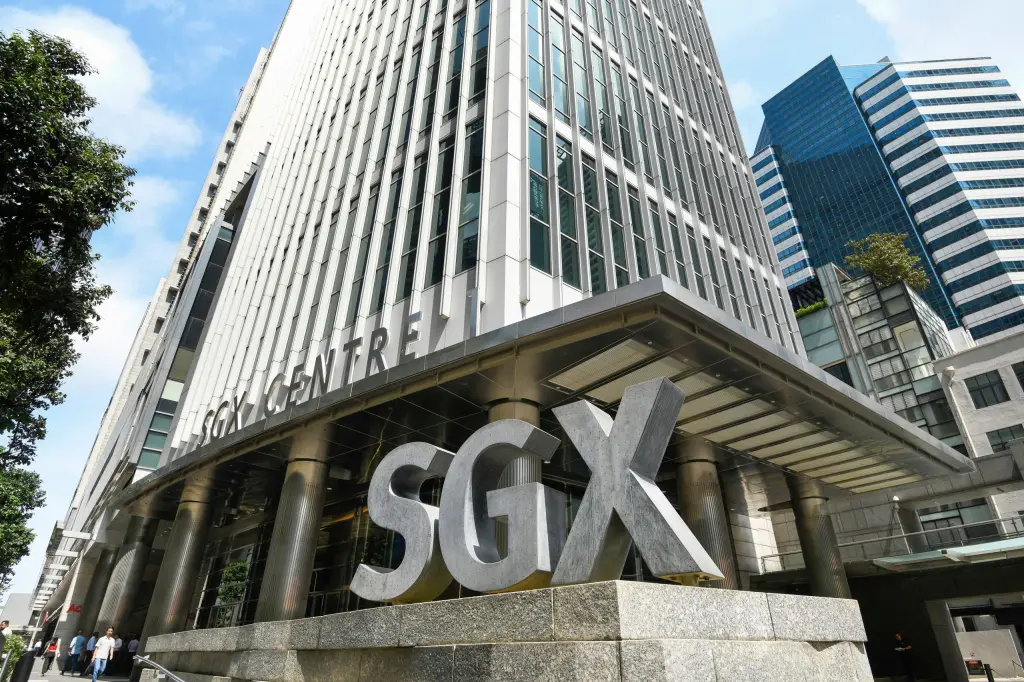
Photo credit: Jack Hong / Shutterstock
Recent comments by Transport Minister Chee Hong Tat, who is also second minister for finance and deputy chairman of MAS as well as chairperson of the SGX-MAS review group, have highlighted that instead of going head-on with the larger exchanges, SGX should identify areas where Singapore can add value by playing to its strengths.
Nevertheless, there are external market forces at play. Sustaining a September rally will entail other forces beyond the exchange’s control, such as investor sentiment and mindset – especially that of the younger generation – and the nature of capital markets beyond fundamentals.
As other exchanges are also grappling with similar challenges of stock market vibrancy, it bodes well to consider other bourses with success stories.
See also: Malaysia’s IPO market sizzles, but tech firms listing may fizzle
One example is Bursa Malaysia, which showcases several strategies that SGX could consider adopting to revitalize its equity market and improve its overall performance.
While Chee’s comments on MAS’ readiness to implement bold changes to revive Singapore’s equities market are promising, these changes will take time to materialize. In the short term, Bursa will continue to thrive as a vibrant market.
Market comparison
In recent years, Bursa has outperformed SGX in key areas such as IPO activity, market liquidity, and overall market growth.
The average daily trading value of Bursa reached 3.3 billion ringgit (around US$767 million) in the first half of 2024, compared to SGX’s S$1.2 billion (around US$917 million) for the same period. Bursa saw 32 new listings in 2023, while SGX managed only seven.
Market capitalization further underscores this gap, with Bursa exceeding 2 trillion ringgit (US$464 billion) by mid-2024. Meanwhile, SGX’s total market capitalization stood at S$792 million (US$603 million) in the same period, a 2% year-on-year decline. The figures for Bursa clearly reflect investor confidence and market performance.
Bursa derives 65% of its revenue from equity markets. This is much higher than SGX’s 29%, which stems from its reliance on non-equity products. This raises the question of whether SGX should recalibrate its focus to increase its reliance on equity markets or continue to leverage its diversified revenue streams from derivatives and other sophisticated instruments.
Four recommendations for SGX
Stay ahead in Asia’s tech landscape
This is premium content. Subscribe to read the full story.
Bursa Malaysia saw 32 new listings in 2023, while Singapore Exchange managed only seven.
We know this is not ideal. ⌛ Sign up in 20 seconds. Cancel anytime.
Our subscriber community includes professionals from these companies:





Stay updated on the go with our mobile app.
Get latest insights with smoother, more personalized experience through TIA mobile app.