Jonathan Chew · · 6 min read
Hong Kong’s dramatic journey to regional tech hub status

If Hong Kong were a person, it could easily be a hero in a fairytale.
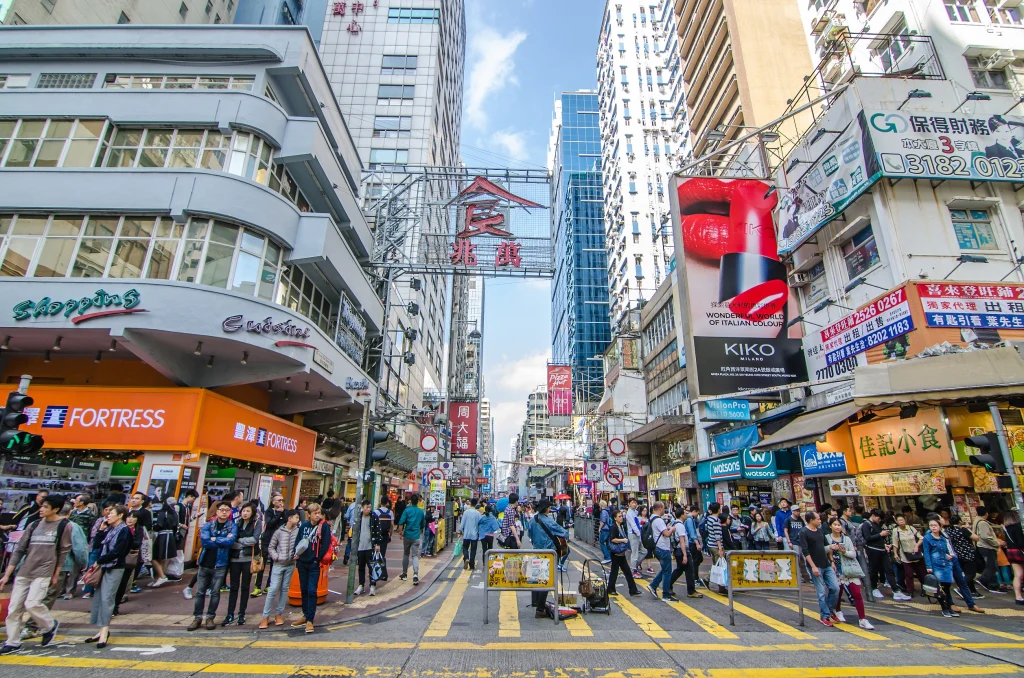
Photo credit: chingyunsong / 123RF
The city made a name for itself as a port of call in Asia Pacific, but its importance to the global economy has grown to encompass more than its geographical advantages.
“For people in Hong Kong, the entrepreneurial spirit has always been in our DNA,” says Jayne Chan, head of StartmeupHK. The initiative supports the local startup ecosystem and was developed by InvestHK, which is in charge of the city’s foreign direct investments.
One of Hong Kong’s proudest achievements so far has been its rise to prominence as an innovation and tech hub, a position it spared no effort to cement.
Let there be light
According to Chan, Hong Kong began seeing a lot of startup and tech-related activity as early as the dot-com era, a period in the mid to late 90s that saw a surge in internet-related businesses. However, Chan, who was involved in the startup scene at the time, says that while many good ideas have been suggested over the years, Hong Kong didn’t have the infrastructure to support them.
Telemedicine is one such example. Some reports on implementing telemedicine in the territory surfaced as early as 1998. In fact, the first-ever prototype for a telehealth system was developed, tested, and validated by the Hong Kong Polytechnic University’s School of Nursing in the year 2000.
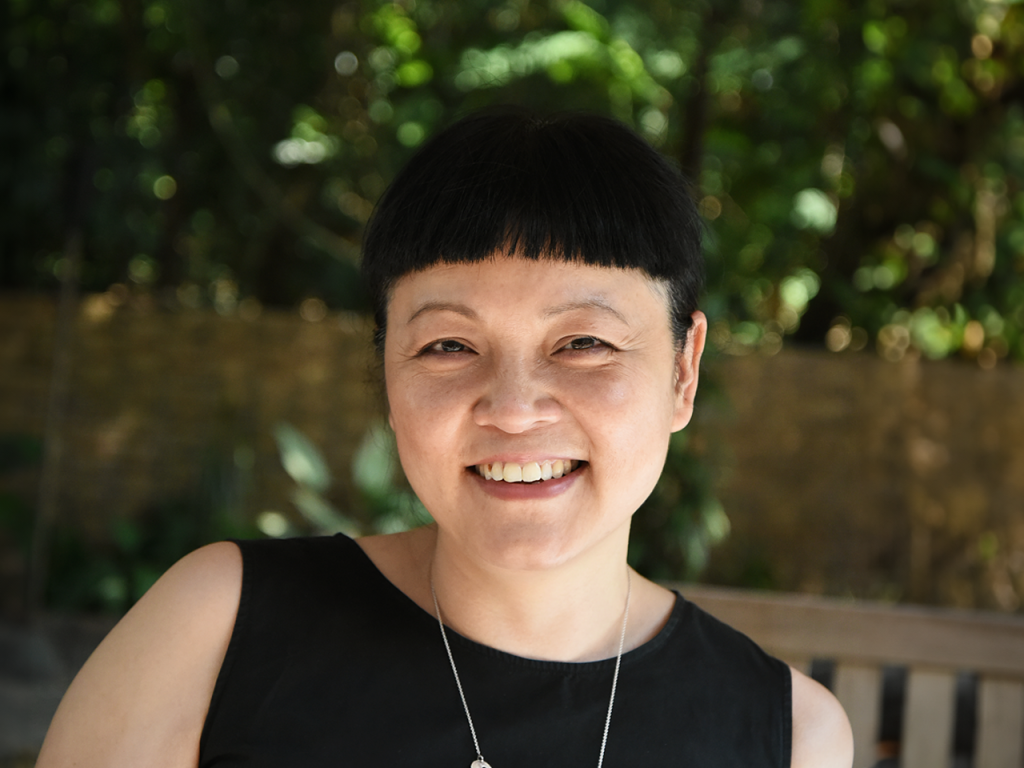
Jayne Chan, head of StartmeupHK / Photo credit: StartmeupHK
However, “the bandwidth to scale and technological capabilities to take those ideas further just weren’t there,” Chan says.
The government wanted to get in on the startup action too. In 1999, it announced plans to build Cyberport, a project meant to help local businesses capitalize on the new internet age. That same year, land reclamation works for the Hong Kong Science and Technology Parks were well underway, and the park was slated to be completed in 2002.
With these initiatives and cutting-edge ideas in its grasp, the future was looking bright for the city.
Then everything changed.
Down but not out
If there’s one thing people remember about the dot-com era, it’s that the bubble burst.
Telstra, an Australian telco, wrote off “billions” in potential investments to build cable and mobile phone networks in Hong Kong. Sin Chung-kai, a former member of the Hong Kong Legislative Council, wrote that the hype surrounding ecommerce “vanished” following the crash.
“Many founders just left the scene or simply worked on niche projects on the side,” explains Chan.
Still, not all was lost.
According to Chan, “pockets” of founders – which included individuals such as Animoca Brands co-founder Yat Siu – continued driving innovation, inspired by the success of other tech hubs like Silicon Valley. With a keen understanding of local businesses and knowledge of their challenges, these founders kept looking for ways to deliver tech-based solutions.
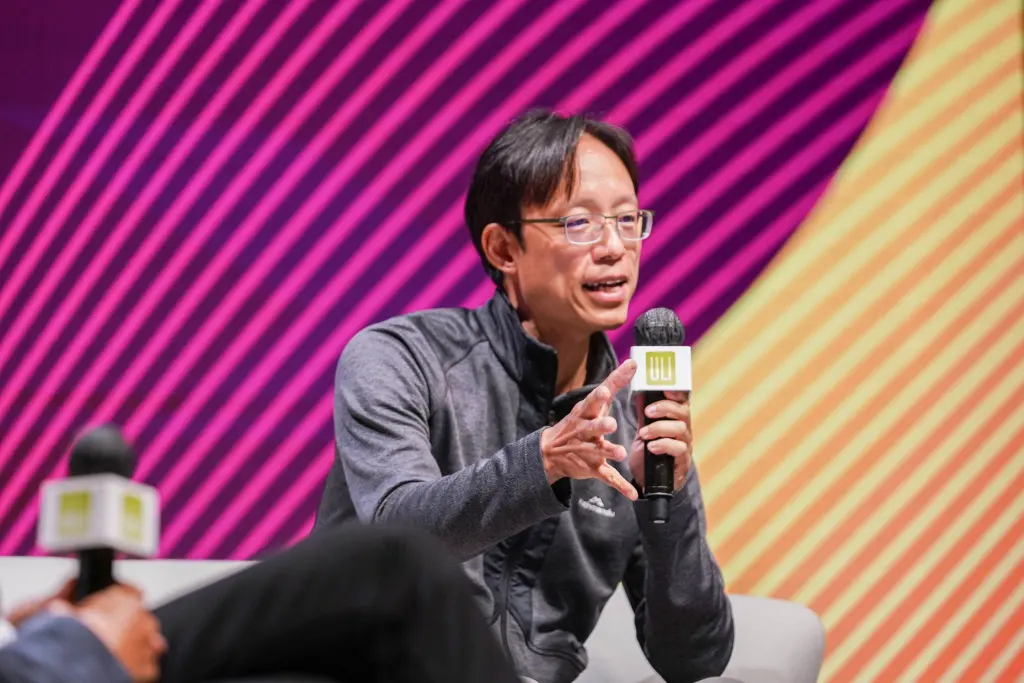
Animoca Brands co-founder and executive chairman Yat Siu / Photo credit: Animoca Brands
Some individuals, such as Gene Soo and Casey Lau (both of whom are co-founders of StartupsHK), saw these efforts and created community groups and events to develop the local ecosystem.
Local universities also started chipping in with support programs for startups too. This gave rise to unicorns such as drone manufacturer DJI, which was founded by Frank Wang while he was studying at the Hong Kong University of Science and Technology. SenseTime, an AI firm co-founded by students and professors at the Chinese University of Hong Kong, was launched around the same time.
Eventually, the tech scene’s collective efforts caught the eye of InvestHK, which led to the creation of StartmeupHK in 2013.
Riding the wave
From that point forward, StartmeupHK became a key part of the wider resurgence of Hong Kong’s tech scene.
According to Chan, the Hong Kong Science and Technology Parks Corporation, as well as Cyberport, started taking on more startups in accelerator and incubation programs, and more of such initiatives were offered over time.
Things really “ramped up” around 2018 and 2017, when collaborations with corporates started appearing, alongside specialized accelerators such as the Design Incubation Programme for early-stage startups and the Visa Fintech Fast Track Program.

Photo credit: leungchopan / 123RF
“Having two very large, public R&D institutions supporting and nurturing the ecosystem was a huge milestone for us,” Chan points out.
Another major moment was when StartmeupHK launched its inaugural festival in 2016. It’s now an annual event meant to bring together different stakeholders – such as founders, investors, and more – to foster innovation-focused discussions.
The 2016 edition was also where Tesla CEO Elon Musk made an appearance. “A lot of people were shocked, including us,” says Chan. “We were talking with his team for many months and didn’t think he would say yes. But he came through and gave a fantastic interview.”
This move signalled to the global tech community that Hong Kong was serious about developing its local ecosystem and would spare no effort to support it.
Look to the skies
With various developments well underway, it was only a matter of time before Hong Kong would hit another major milestone: producing its very first unicorn, GoGoX, in 2017.
Along with other billion-dollar companies like Lalamove and Klook, these companies helped drive a grassroots shift.
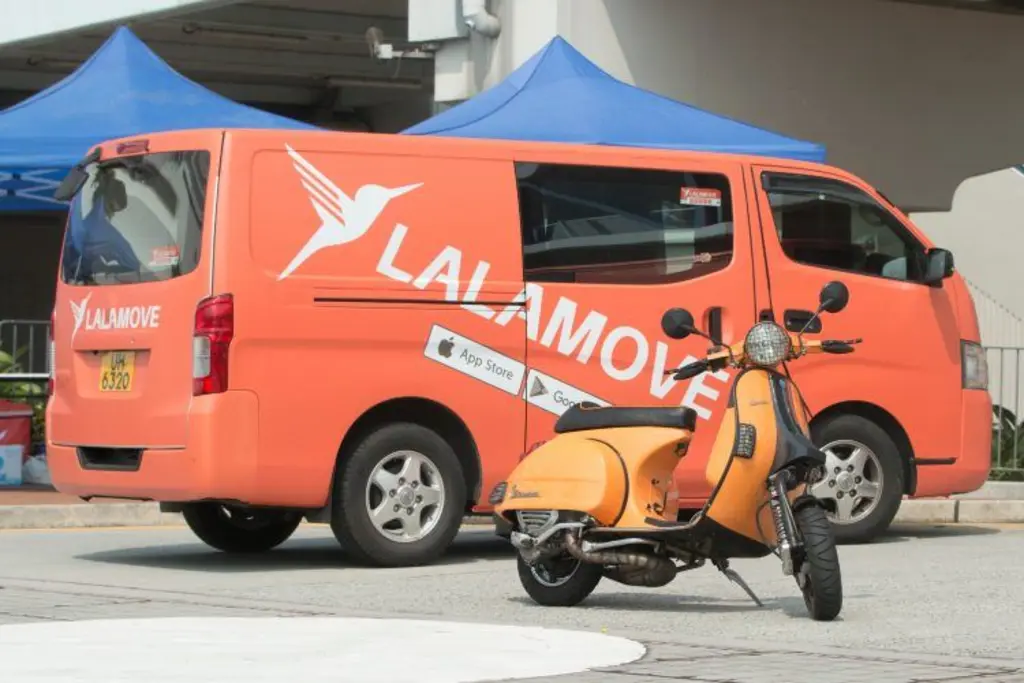
Photo credit: Lalamove
“We really needed role models, and having these unicorns changed the mindset of the average person in Hong Kong,” Chan says.
All said and done, the territory now has around 4,000 startups residing in co-working spaces or participating in accelerator programs, although the StartmeupHK chief says that the number is only based on an official survey, with the true figure likely being much higher.
The number is also a significant jump from just five years before, when Hong Kong had about 2,600 startups.
Eyes on the prize
The work doesn’t stop here.
According to Chan, while the government has launched several funding programs and other initiatives, administrative processes – such as filling up application forms – can still be troublesome. That said, the government has set up support centers to alleviate the issue.
And with the tech winter in full force, funding has been high on the concerns list. However, Chan points out that the city is still faring “comparatively well.” There were 163 funding events in Hong Kong, netting local startups a total of US$3.8 billion in investments, she says.
The local tech scene continues to be bullish on several verticals too, namely Web3 and crypto, greentech, as well as biotech. AI is also a huge focus, and Chan notes that “there won’t be any industries not impacted by it.”
“As the years go by, we’re going to get a whole bunch of people involved in different areas and generating interest,” she adds. “That’s going to make a massive difference.”
StartmeupHK is an initiative by InvestHK aimed at helping founders of innovative and scalable startups from overseas to set up or expand in Hong Kong. Get in touch with StartmeupHK to explore opportunities in Hong Kong as a startup or investor.
This content was produced by Tech in Asia Studios, which connects brands with Asia’s tech community. Learn more about partnering with Tech in Asia Studios.
Stay updated on the go with our mobile app.
Get latest insights with smoother, more personalized experience through TIA mobile app.
Recommended reads
 Life’s a game, and AI agents are Animoca’s new play
 Indonesian AI startup goes global
 Forrest Li on scaling Sea, building smarter bots, and founder grit
 An AI assistant that joins sales calls and scores team skills
 Beyond the check: Why VCs need more than capital
 SGX’s CEO says it doesn’t need a unicorn to win
 SMEs want AI too, but not the kind Big Tech is selling
 Oatside’s alt-milk rise hits a profitable gear
 Alibaba’s financial health in 12 charts
 Asia’s telcos bundle AI into mobile plans. Will it pay off?




Editing by Winston Zhang and Jaclyn Tiu
(And yes, we’re serious about ethics and transparency. More information here.)