- Insights This article was written by a TIA community member. Insights pieces undergo the same rigorous editorial process that newsroom-produced articles have.
 Alldo Fellix Januardy · · 5 min read
How Indonesia’s old money could back new tech
Irawati Puteri co-authored this article.
In December 2023, ByteDance acquired 75% of Tokopedia from GoTo, one of Indonesia’s most valuable tech platforms. Control and billions in value flowed abroad, not because there was a lack in Indonesian capital, but because it was absent when it mattered.
This wasn’t an isolated loss, either. Gojek, Bukalapak, and Traveloka followed the same pattern: Indonesian founders solving Indonesian problems, funded predominantly by Singapore-based investors including GIC, Temasek, and global venture funds.
The result: an ecosystem that is Indonesian in origin but increasingly foreign in ownership.

Image credit: Timmy Loen
The paradox is striking as Indonesia sits on vast private wealth. Forbes estimates that the country’s wealthiest families and individuals have over US$263 billion in combined assets, much of it from commodities, property, trading, and manufacturing.
See also: How to tell hype chasers and thesis-driven investors apart
However, when startups from the country raise funds for AI ventures, they still turn first to Singapore, where US$789 billion circulates in private equity and venture capital. Indonesia’s asset-management industry, in contrast, manages only US$36 billion.
Behind this is a pool of family-controlled capital that has not yet been mobilized toward high-growth sectors like artificial intelligence. These families are, in effect, Indonesia’s untapped investors.
Why domestic capital hesitates
The hesitation, we believe, stems from structural differences between how family enterprises invest and how the venture ecosystem operates.
Indonesian family wealth is typically built on asset-heavy industries with long horizons and predictable cash flows. Think plantations that have yields for decades, property that appreciates steadily, or manufacturing contracts that are renewed annually.
The wealthiest in Forbes’ list of Indonesia’s 50 richest in 2024 was the Hartono brothers, with a net worth of around US$50.3 billion. One of the family’s most significant businesses is cigarette giant Djarum, which was started by the family’s patriarch Oei Wie Gwan.
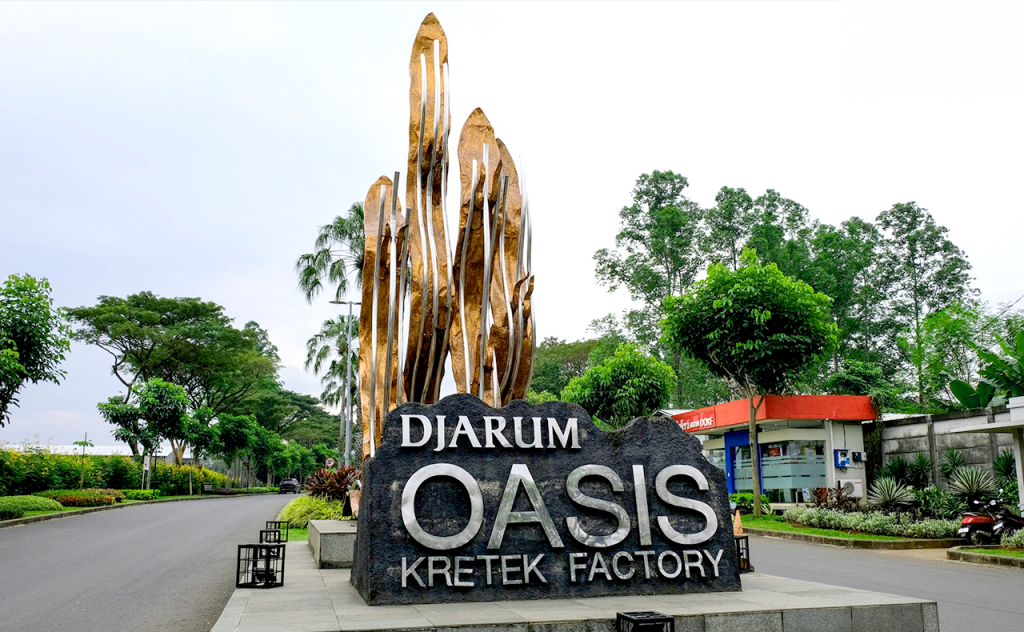
Photo credit: FarisFitrianto / Shutterstock
Infrastructure and regulatory barriers
What’s actually at stake
Practical pathways forward
Stay ahead in Asia’s tech landscape
This is premium content. Subscribe to read the full story.
Traditional wealth in Indonesia is risk-averse and asset-heavy, leaving tech innovations starved of domestic funding.
We know this is not ideal. ⌛ Sign up in 20 seconds. Cancel anytime.
Our subscriber community includes professionals from these companies:





Stay updated on the go with our mobile app.
Get latest insights with smoother, more personalized experience through TIA mobile app.











📅 Upcoming Events
22 October 2026
Payoneer x CSPN Summit 2026