Hangry, an Indonesia-based culinary startup, said it posted a 2.5x revenue growth between January to October 2022 compared to its revenue last year.
According to the company’s filing with ACRA, it generated US$12.2 million in revenue in 2021. With that figure, its total revenue for the first 10 months of 2022 would be around US$30 million.
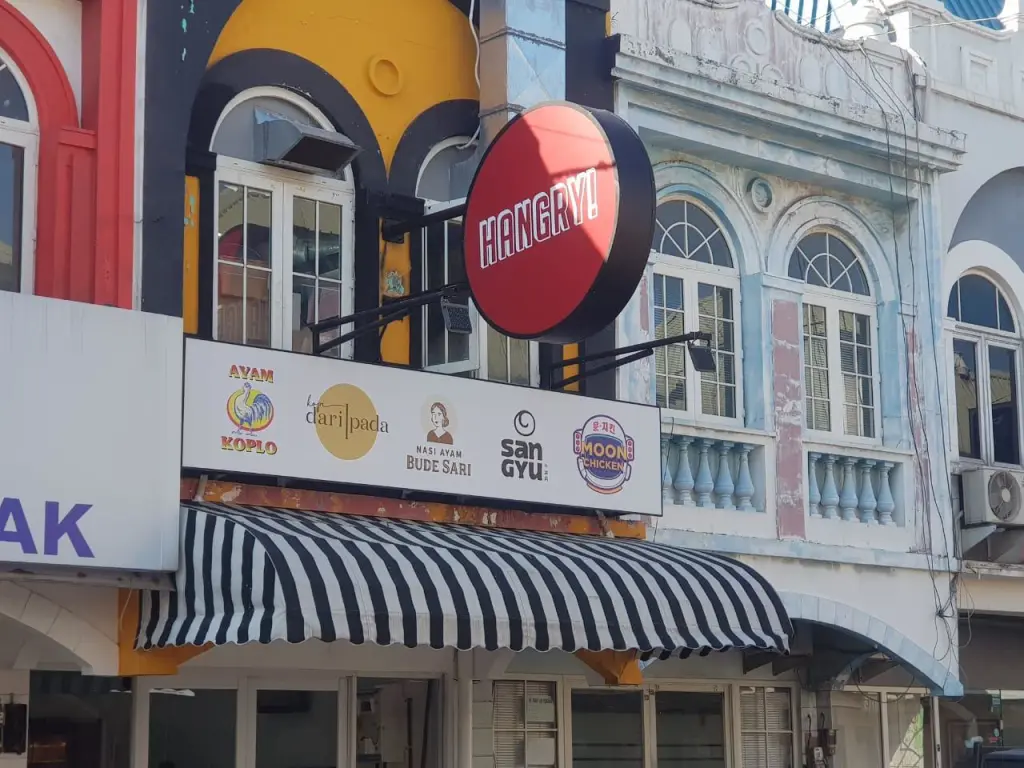
Photo credit: Hangry
At its third birthday event earlier this week, the firm’s president, Andreas Resha, said that he felt fortunate that Hangry was in a business that caters to a primary need: food. That’s why demand for its product is “still strong,” he said, despite current macroeconomic disruptions pushing many tech startups to lay off employees.
The firm’s latest financials show that it may be starting to build a cost-efficient business, with cost of goods sold as well as selling and general expenses building up slower than revenue. This has led to an improvement in its operating margin from -129% in 2020 to -64% in 2021.
However, some analysts say that recent gas rate hikes in the country may bump up the price of fresh produce and meal ingredients, which in turn may affect Hangry’s cost of goods sold.
See also: Hangry’s revenue triples in 2021, operating margin improves
Resha said that Hangry’s focus right now is to serve food that is not only delicious but also affordable, even after costs on food ordering platforms such as GoFood and GrabFood are added on.
“One way to do that is by trying to find ingredients that have lower costs but still can give a good taste for our food. Our research and development team is continuously working on that,” Resha shared.
He also stated that the company “has no solid plan” to shift its customers, who usually use third-party platforms, to order through Hangry’s own app.

(From left) Hangry co-founders Andreas Resha, Robin Tan, and Abraham Viktor / Photo credit: Hangry
The company currently has 70 outlets in six Indonesian cities – Greater Jakarta, Bandung, Surabaya, Semarang, Medan, and Makassar. It plans to add more branches in the market next year and is considering entering Bali.
The firm also aims to onboard more food brands and menus to its existing lineup, which currently includes seven brands. It claims to have served 1.6 million unique customers to date who ordered 1.8 million meals from its outlets every month.





Stay updated on the go with our mobile app.
Get latest insights with smoother, more personalized experience through TIA mobile app.