 Kai Kiat Ong · · 4 min read
Opinion: Alibaba’s first mall shows that O2O is a real business model

Alibaba founder Jack Ma. Photo credit: Alibaba.
With a single stroke, Jack Ma ended Alibaba’s asset-light operating model. Tech Wire Asia reported last week that the Alibaba founder is building a shopping mall called More Mall in his hometown of Hangzhou, set to open its doors in April 2018. It will reportedly be a five-story mall which will only house Alibaba brands such as the Tmall and Taobao marketplaces along with its Hema grocery business. Unlike traditional malls, this tech giant-controlled mall will have virtual fitting and makeup rooms, among other things.
A French journalist made the observation 168 years ago that “the more things change, the more they stay the same.” In today’s context, it is ironic that the premier ecommerce giant of our time, having changed the shopping habits of several generations of Chinese, is now building its own physical shopping mall. But a deeper look shows that the move comes as ecommerce growth is expected to slow from 37 percent in 2015 to 19 percent in 2017. This is also a milestone marking the maturity of the online-to-offline (O2O) business model.
Physical place for socializing and experiences
If Alibaba doesn’t go offline, it will miss out on a large part of the retail pie: 80 percent of China’s US$4.9 trillion retail market is offline. On the other hand, the Chinese media has discovered that reasons behind going to a shopping mall has changed from, say, needing to get groceries to socializing, dining out, and then maybe getting some shopping done. As a result, Chinese shopping malls have evolved to include art exhibitions, live entertainment, as well as music and fashion shows to create experiences for shoppers to escape their daily stresses.

Photo credit: Grab.
Beyond the retail space, we can see evidence of these social dynamics in Singapore through our transportation options. One of the allures of riding a taxi to work is the possibility of meeting an awesome stranger on the way. Young eligible bachelors who drive Porsches are known to join GrabHitch not because of the side income, but to meet The One.
If you put things in this social context, then it is clear that 80 percent of purchases are not just about finding the best laptop and having it delivered to your doorstep. It is about the chat with the sales guy before you pay for it.
Online discovery, offline showroom
Another interesting aspect of Alibaba’s offline move is that its physical space is dedicated to its own online brands. This plays into the “showrooming” effect that has popped up in China, where consumers visit shops to find the best perfume, for example, only to purchase it online once they know exactly what they want.
PwC noted that 86 percent of Chinese are likely to participate in showrooming, compared to 68 percent of the global population, and 91 percent of them cited lower prices as the reason, followed by convenience. Only 64 percent of Chinese have done the reverse, dubbed “webrooming,” where consumers search for products online but buy it offline, which allows them to try out products first and get them immediately after.
Whether it is showrooming or webrooming, having a physical mall would help Alibaba capture the whole market.
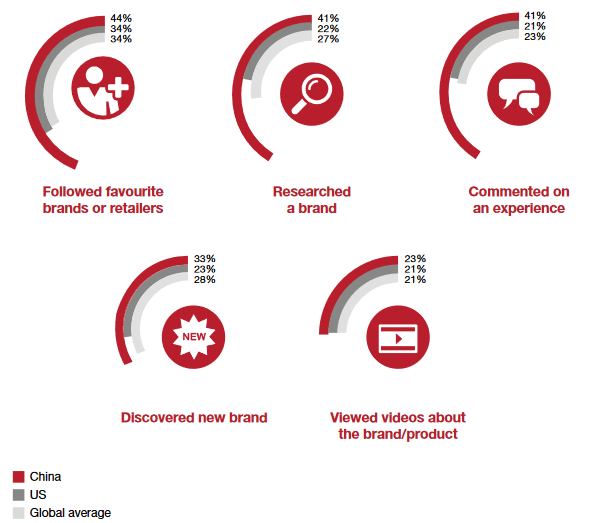
Source: PwC China.
China is now ahead of the curve
Follow the leader





Stay updated on the go with our mobile app.
Get latest insights with smoother, more personalized experience through TIA mobile app.









