Nadine Freischlad · · 7 min read
Why Ant Financial-backed Dana may struggle to catch up with other Indonesian payments apps
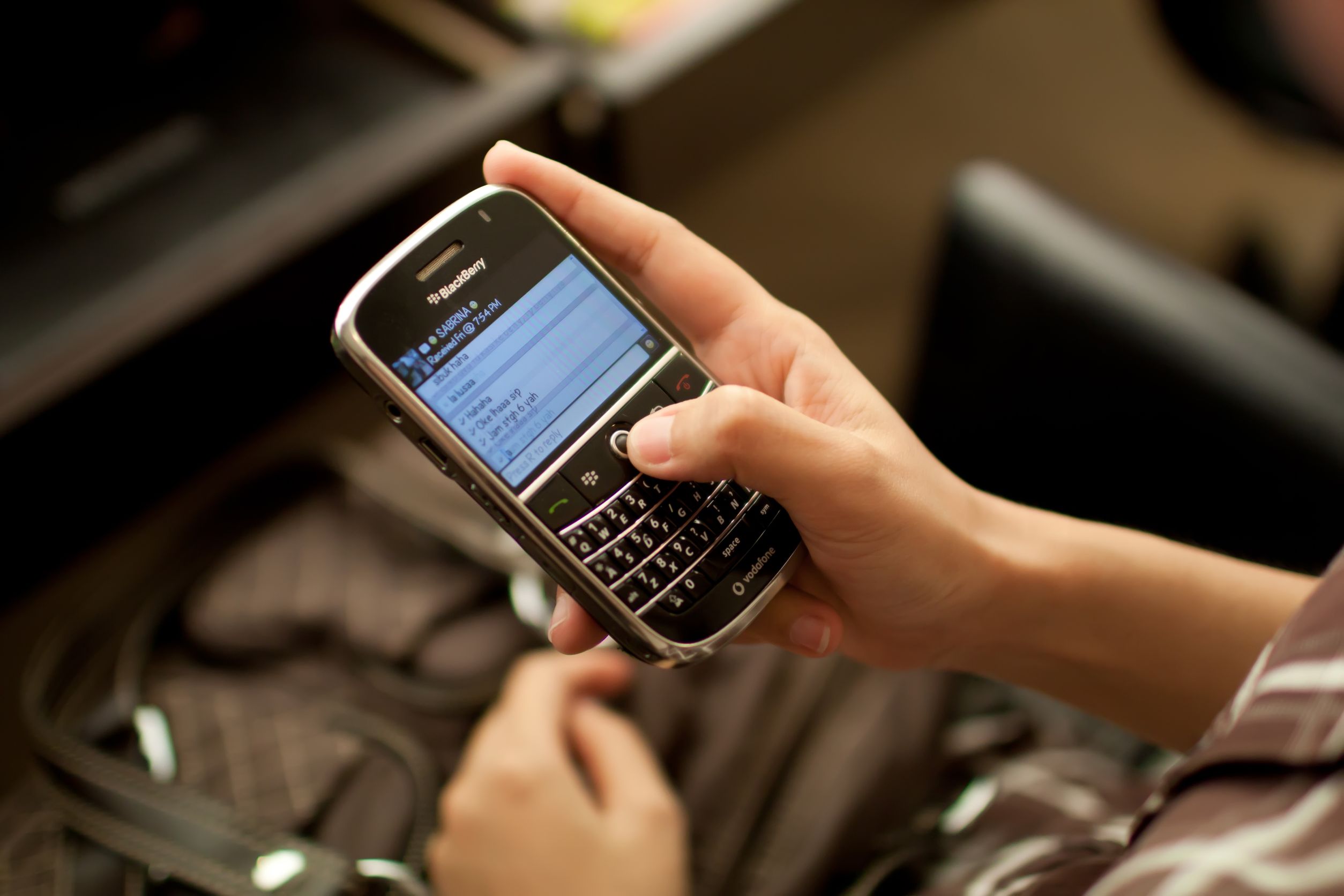
Photo credit: idspopd / 123RF
Ant Financial, which has risen to become one of the world’s biggest private tech firms with a reported valuation of US$150 billion, is best known for its digital payments platform Alipay. But the Alibaba unit is sitting on a treasure trove of data that allows it to also offer mobile financial services like loans and insurance. Now Ant is trying to take this success overseas.
In India, Ant’s multiple investments in Paytm – alongside parent company Alibaba – seem to be paying off. But in the US, Ant’s takeover of MoneyGram was thwarted by regulators earlier this year.
That shines a light on Indonesia, the next largest market after India and the US by population. Indonesia should interest Ant because it has a large number of people who aren’t part of the country’s formal banking system, making them ideal candidates for Ant’s alternative payments and financial services.
Can Ant help build a winner like Paytm in the archipelago? Things have been moving slowly since the Chinese firm announced a joint venture with Indonesian media conglomerate Emtek last year. The venture involves developing a mobile payments feature and other financial services.
Analysts have mixed views about this. Some see it as a sign Ant encountered unexpected roadblocks, while others think the investment is a just small piece in Ant’s long-term Southeast Asia expansion strategy.
Long road to Dana’s launch
When Ant and Emtek announced their deal in April 2017, Emtek didn’t have a mobile wallet. That means Ant deviated from the strategy it followed in the rest of Southeast Asia, where it made small investments in mobile money services already out in the market, like True Money in Thailand and Mynt in the Philippines.
Publicly traded Emtek owns TV stations and several online properties, including the once massively popular chat app Blackberry Messenger (BBM). It holds a stake in online marketplace Bukalapak, which is among the top five shopping sites in Indonesia based on metrics such as app rank and site visitors.
However, Emtek had to first acquire two local fintech companies in order to speed up the development of a mobile payments product. Called Dana, the product rolled out a beta version recently – more than a year after Ant and Emtek’s initial investment.
At present, the mobile wallet is available only to BBM users in Indonesia. In BBM, users can top up the wallet with a bank transfer. The stored value can then be used for in-app purchases, and can be spent with Emtek’s partner apps Bukalapak and Tix. The latter is an app for buying movie and event tickets.
According to Dana spokesperson Chrisma Albandja, this is just the start. Eventually, Dana will be a standalone wallet that can be used across multiple apps, regardless of their affiliation with Emtek. In the future, credit on Dana can also be used to pay utility bills and health insurance – features already available on similar mobile wallets like Go-Jek’s Go-Pay and Grab’s Ovo (known as GrabPay in other countries).
For Bhavana Vatvani, financial services director at consultancy Accenture Indonesia, Ant’s partnership with Emtek was “definitely a strategic one” as it capitalizes on Emtek’s standing as a media giant in the country. Yet she notes that the rollout of Dana has been slow, and it’s “still lagging behind” market leaders in Indonesia’s mobile payments space in terms of what features it can offer.
Go-Pay, part of Indonesia’s massively popular ride-hailing and on-demand services platform Go-Jek, has had a headstart since its launch in 2016. Early on, it was able to secure the necessary licenses not only for cashless payments via in-app services, but also for peer-to-peer transfers and QR code payments at brick-and-mortar stores. Go-Jek is backed by Tencent – Ant parent Alibaba’s biggest rival, the company behind WeChat.
While Go-Jek hasn’t publicized the number of mobile payment transactions it has handled, analysts widely regard Go-Pay as the player with the largest market share in Indonesia. Go-Jek itself said that in October 2017, Go-Pay accounted for 30 percent of all e-money transactions in the country. It got to that position despite competing with e-money systems issued by banks, such as Mandiri e-cash and Bank Central Asia’s Flazz.
Calculated caution





Stay updated on the go with our mobile app.
Get latest insights with smoother, more personalized experience through TIA mobile app.