Meghna Rao · · 4 min read
A novel idea in microfinance is turning Bangladeshis into freelance coders
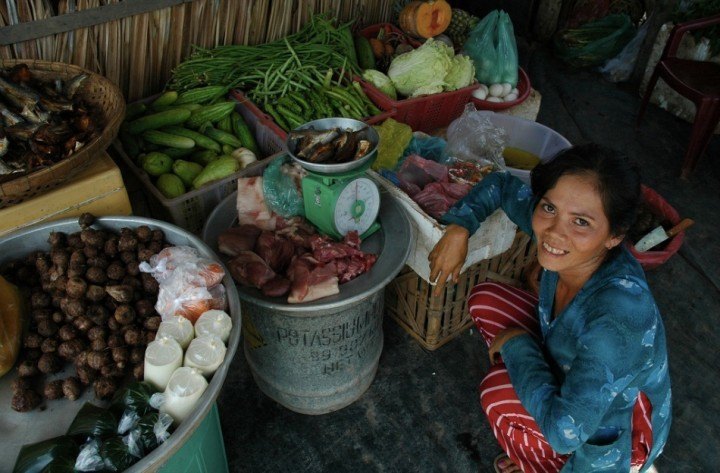
Microfinance loans are small, do not require an extensive credit history, and are just enough to build something basic, like launching a grocery business or buying a taxi. In recent years, they have come to represent a source of salvation for the economically disadvantaged.
In some instances, however, microfinance has proved to be controversial. In 2012, between March 1 and November 19, over 70 people committed suicide in Andhra Pradesh, India because they could not pay back their loans. SKS Microfinance, at the time India’s largest microloan company, was soon kicked out of the state of Andhra Pradesh and its collection levels dropped to less than five percent.
The company’s rich IPO was also heavily analyzed. Critics explained that, by attempting to make a profit off of microloans, SKS and other organizations were implementing high interest rates without establishing a proper framework upon which to borrow and return loans. As one critic explained, “selling debt is like selling drugs.”
A new target for microloans
“It’s not that microfinance loans are wrong,” explains Ferdinand Kjærulff, co-founder and ideator behind Coders Trust. “It’s just that they’re betting on the wrong things.” Coders Trust provides small loans to freelance coders to help them improve their skills. Although it has recently launched initiatives in India and parts of Africa, most of its work is in Bangladesh. Of the 14 million coders on the freelance market, Ferdinand explains that 500,000 are from Bangladesh.
Loans only need to be repaid after a coder sees a significant improvement in their income. “We help people focus on their education,” explains Ferdinand. “We place all our bets on the fact that this coder will find a more stable and lucrative income after our program, and we only ask for our returns once they come in.” And, if those loans don’t come in, Coders Trust is alright with footing the bill. “We’re pretty confident about the outcomes of our coding classes,” Ferdinand explains.

Dhaka, Bangladesh
The real disruption of the conventional microfinance market, however, comes from the way Coders Trust assesses the people who apply for the microloans. “We use big data in every way,” explains Ferdinand. “First we analyze data from freelance sites to see what sort of skills are most lucrative for students. When a student applies for a loan, we have more than 200 data points that we analyze them by. Unlike conventional microfinance, we don’t go based on assumptions. It’s all online, so we take away the possibility of fraud that comes from working on paper.”
Coders Trust makes it clear that it wants students to be able to survive while paying their loans. The company makes sure that its clients never spend more than 65 percent of their salaries on the loan and interest.
So far, Coders Trust has enrolled 500 students and 150 have completed the program. The program was originally started in collaboration with local universities in the capital city, Dhaka, but it has now spread to support students all over the country.

“Most coders are university graduates or independent coders,” explains Ferdinand. “Based on their existing track record and profile, we provide finance that helps them focus entirely on their education.” The site offers online education, mentorship, and a range of tools to monitor work.
Code is the language of the future





Stay updated on the go with our mobile app.
Get latest insights with smoother, more personalized experience through TIA mobile app.