
Apple’s newest and most expensive iPhone, the iPhone X, isn’t even available for pre-order yet. But I’m going to make a not-so-bold prediction: the iPhone X is going to do very well in China.
Apple has been having a rough go of things in the Middle Kingdom in recent years. The once-king has long since been knocked from its perch as smartphone sales leader, and iPhone revenues have been dropping from model to model since the iPhone 6.
To be clear: Apple probably isn’t ever going to become the top smartphone seller by units sold again. China’s growing consumer class has increasingly expensive taste in phones, but it almost certainly doesn’t extend as high as the nearly-US$1,300 iPhone X (import duties make it more expensive in China than almost anywhere else), and the moderate updates in the iPhone 8 seem unlikely to excite anyone. That doesn’t matter, though, because the iPhone X is going to help Apple regain a different crown: the status-symbol phone.
When the first few models of the iPhone released in China, Chinese consumers were impressed by the both the product and the price. Most people couldn’t afford one, and that fact helped propel the rise of domestic players like Xiaomi who offered similar performance for much, much less money. But among those who could afford it, the iPhones were a kind of status symbol. They were a sign of success, but a reasonably affordable one.
China’s upper class and its growing upper-middle class had developed a taste for Western luxury brands, and in those early days Apple was one of them. Whipping one out in public was a great way to earn some envious stares. Giving them to a girlfriend was like giving her a diamond, but better – it proved that you were spendy and tech-savvy. They were also excellent for bribes.
I think we’re going to hear a happy Tim Cook in Apple’s next post-holiday earnings call
As the years went by, however, the iPhone lost some of its luster. Part of the problem was that as China’s economy grew, more and more people could afford iPhones. If half the people in your business meeting whip out iPhones, your iPhone isn’t impressing anybody. Part of the problem was also that the iPhone’s external design stopped changing. In the early days, anyone could see the difference between an iPhone 3G and an iPhone 4. But the iPhones 6, 6s, and 7 all look pretty similar, which makes them less appealing as a luxury item. What’s the point of buying a status symbol if everyone’s just going to think it’s a phone from three years ago?
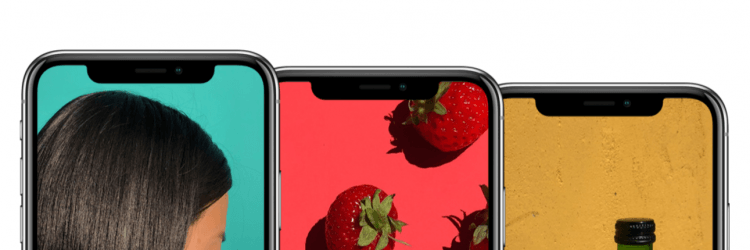
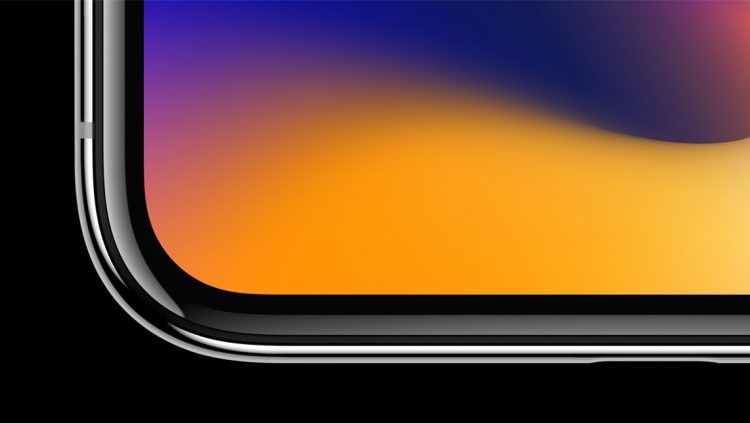
It shouldn’t be difficult to see how – for a particular demographic – the iPhone X addresses all of these problems. Thanks to the bezel-less screen it’s the most unique-looking iPhone model in years. And the sky-high price pushes it firmly back into the realm of luxury for most of the population. In fact, unlike the iPhone 8, the iPhone X costs more than the average Chinese worker makes in a month even in the top-paying city (Beijing). Whip an iPhone X out on the street this November and heads are going to turn in a way that they haven’t for iPhones for years.
I want to emphasize that I’m not suggesting Chinese people are all vain idiots who’ll just buy the highest-priced phone. But China, like every country, certainly has plenty of vain people, and the iPhone X also looks like it’s going to be a great phone. It’s not just a status symbol, but the fact that it can serve as one again is going to pull back a demographic that Apple had been losing (or at least losing the interest of).





Stay updated on the go with our mobile app.
Get latest insights with smoother, more personalized experience through TIA mobile app.









📅 Upcoming Events
22 October 2026
Payoneer x CSPN Summit 2026