- Insights This article was written by a TIA community member. Insights pieces undergo the same rigorous editorial process that newsroom-produced articles have.
 Ivan Aleksandrov · · 4 min read
3 stages of assessing a blockchain startup’s team

Photo credit: Startup Stock Photos
It is no secret that a great number of the early ICOs did not meet investors’ expectations. While this led to a stagnation, there are still investors looking into blockchain-based projects. What they need now is a solid base for investment decision-making—relying on intuition, marketing promises, and brochures just don’t work any more.
This is where traditional VC methods can be used. Of course, it is not enough to just apply these to blockchain projects; we need to take the specifics of the industry into consideration.
One key differentiation between ICOs and the traditional VC model is that the startup sees a major investment flow in its earliest stages. So, ICO investors usually have way less information and time to decide on an investment of several million or more.
ICO investment requires raising standards on all assessment criteria, especially for the team. The analysis of the project’s team can be divided into three stages.
First stage
The first stage of team assessment revolves around work with public information.
Here, we start to explore the founders’ backgrounds—their experiences and competences. To do this, we use the so-called “graph of competences” to record our assessment.
The graph shows a person’s achievements on the horizontal axis and his/her previous working experience and market knowledge on the vertical axis.
This provides us with a clear understanding of the company’s management potential and the senior management team’s (SMT) combined expertise.
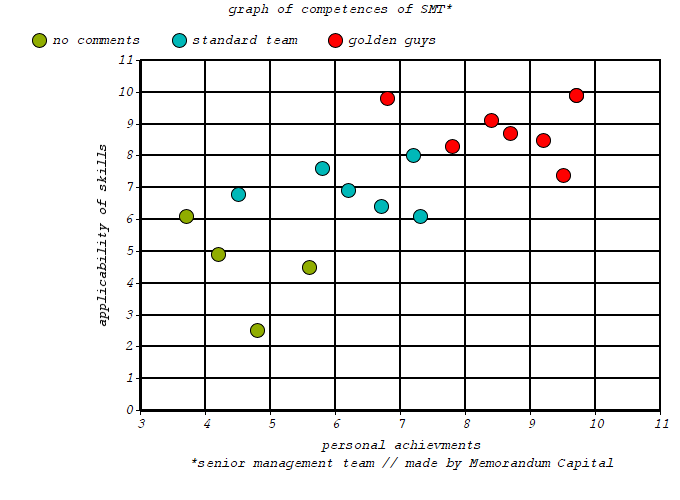
To illustrate, the highest mark on the horizontal axis will be given to the CEOs with previous experience of startup exits. It is important to know that projects that started successfully but failed midway are still failures. Only the completion of an exit strategy makes the project successful.
These so-called “golden guys” are then followed by the CEOs of companies and owners of SMBs, with middle-managers displayed on the left side of the graph.
For the vertical axis, those who have launched products similar to the current project are positioned at the top. Next are the people with some industry experience, followed by the managers from relevant fields. People with no relevant experience are placed toward zero.
Second stage
Third stage





Stay updated on the go with our mobile app.
Get latest insights with smoother, more personalized experience through TIA mobile app.










📅 Upcoming Events
22 October 2026
Payoneer x CSPN Summit 2026