Ride-hailing giant Grab said it has offered its employees “flexible working arrangements” such as no-pay leaves, reduced working hours, and sabbaticals as the Singapore-based company fights to weather the Covid-19 crisis.
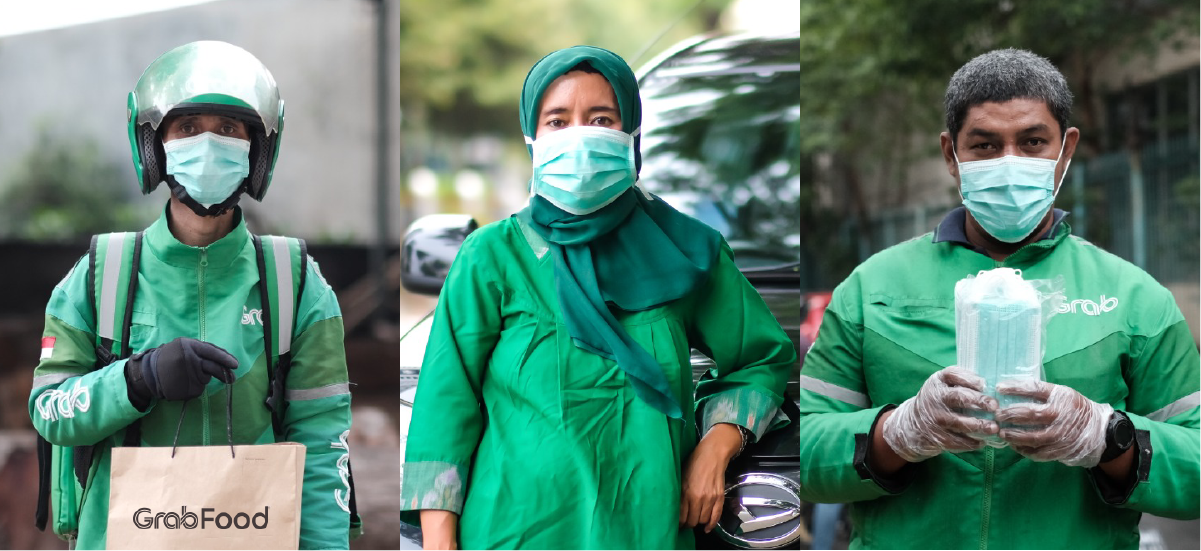
Photo credit: Grab
“There is a lot of uncertainty as to the depth and duration of the pandemic and we don’t know how long the economic recession will last. We are taking active steps to conserve cash and manage our employee base,” Grab told Tech in Asia in an email statement.
The company said it has opened up the options to teams across the region with “excess capacity.” Employees can take them on a voluntary basis.
Andrew Chan, Grab Singapore’s head of transport, also said in a letter Wednesday that the company might no longer be able to provide drivers with extra financial support if the city-state decides to extend its circuit breaker restrictions beyond June 1. Grab previously said it would be spending US$40 million on relief initiatives in Southeast Asia for affected driver- and merchant-partners.
“No one can be sure how long the situation will last, but we are preparing for a long and difficult path ahead,” Chan was quoted as saying in the letter by Today. “As our revenues continue to fall, senior Grab leaders have taken a pay cut of up to 20%, and Grab staff have also been encouraged to take no-pay leave voluntarily.”
According to a recent survey by insurance firm Aon, 21% of companies in Singapore have considered voluntary and involuntary pay cuts to help weather Covid-19’s financial impact.
Grab’s CEO and founder Anthony Tan said in a letter last week that the company will be making “tough decisions and trade-offs” as it evaluates the pandemic’s impact on the business.
He noted that Grab has seen a sharp decline in its ride-hailing segment in cities and countries that have imposed major lockdowns.
In Singapore, the government has asked people to stay home as much as possible until June 1 this year. The measure prohibits any outside activity except buying food and daily essentials and attending to urgent medical needs.
Lockdowns like these have also been imposed in a number of Grab’s other markets, including Indonesia, the Philippines, Malaysia, and Thailand.
Grab’s delivery business, however, has been faring better, Tan said, as stay-at-home measures worldwide boost demand for online food and grocery deliveries.
Editing by Charmaine de Lazo
(And yes, we’re serious about ethics and transparency. More information here.)





Stay updated on the go with our mobile app.
Get latest insights with smoother, more personalized experience through TIA mobile app.