- Premium Content It takes our newsroom weeks - if not months - to investigate and produce stories for our premium content. You can’t find them anywhere else.
 Will Chin · · 5 min read
A startup is making your blood test results easy to track and understand
Unless you suffer from trypanophobia – or the fear of needles – a blood test is one of the best things we can do for our health. A single vial of blood can tell us everything – from our blood sugar and hormonal levels to cardiovascular risk factors – or reveal whether we have an infection.
But as useful as these findings are, they’re nearly indecipherable for the layman. Even if patients can somehow figure out what CBC (complete blood count), MCV (mean corpuscular value), MCH (mean corpuscular hemoglobin), and other letters in the alphabet soup stand for, a typical blood test result is unable to tell us what the healthy ranges are, or if improvements have been made over time.
Dr. Anthony Close, CEO and founder of Singapore-based Lab Me Analytics, is aware of these pain points. “They feel scared,” he says of the patients who did blood tests at his former private practice. “The current electronic health record (EHR) systems don’t empower patients. They don’t allow them to take control of their data and engage in what I call ‘citizen science’.”
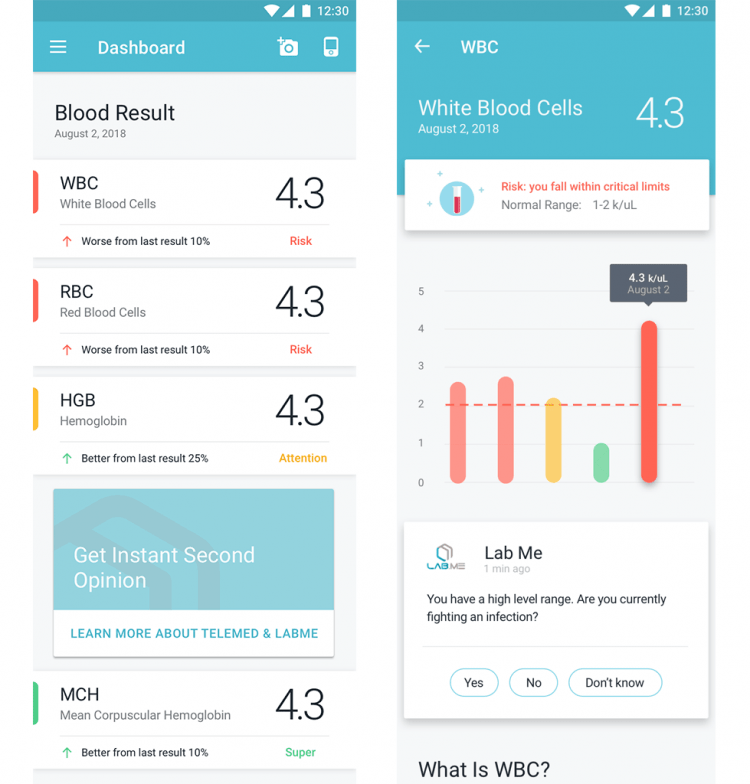
Lab Me’s interface shows you your blood work results, whether they are at risk or not, as well as how it compares to the last readings / Photo credit: Lab Me
His startup is all about giving power back to patients and improving the overall quality of care.
In short, Lab Me is a consumer-facing mobile app that allows patients to take pictures of their blood tests and have the technical abbreviations and acronyms explained within seconds. If patients have doubts or questions about their results, the app will also put them in touch with over 600 medical professionals for a second opinion.
But making sense of complex medical terminologies is just the beginning for Lab Me. The app can also keep track of patients’ blood test results. According to Close, this is key because blood biomarkers fluctuate over time, and doctors need to know a patient’s history so they can analyze how specific conditions will progress in the future.
“You wouldn’t trade stocks based on a day’s data, right? Instead, you look at historical charts,” he explains. “I believe the same goes for our health.”
This feature is critical, considering the fact that patients don’t always see the same doctor at the same hospital. Moreover, Close estimates that 92 percent of people that Lab Me Analytics has surveyed have no idea where their old blood works are, making it harder for doctors to provide accurate and reliable prognoses.
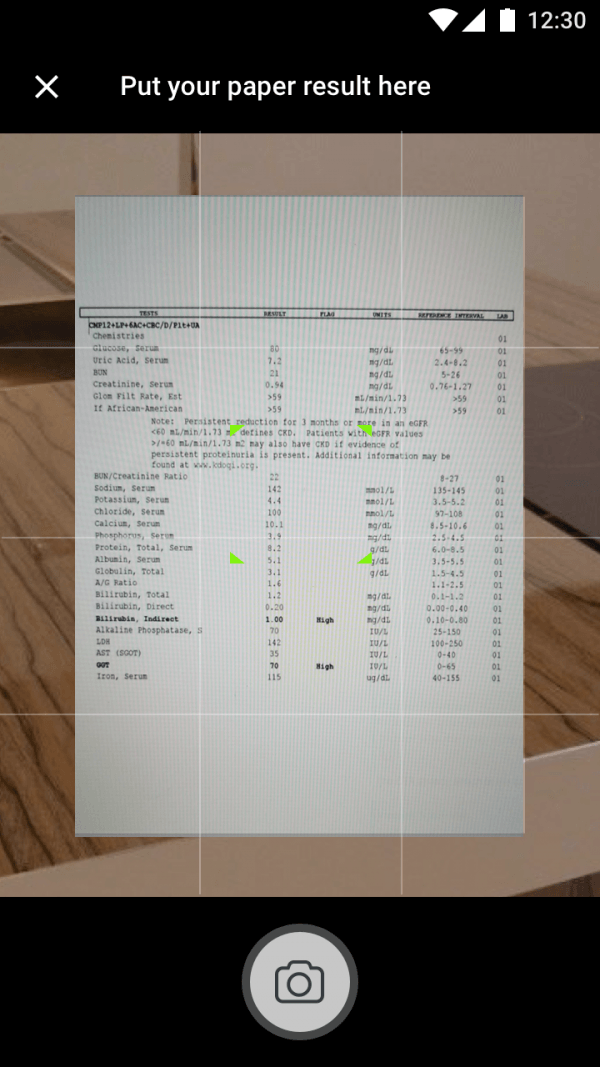
Lab Me Analytics’ has computer vision algorithms for blood work recognition / Photo credit: Lab Me
The idea for Lab Me came in 2013, back when Close was still practicing medicine, specifically in the area of chronic pain management.
Ordering blood tests was not commonplace at his practice, but it happened from time to time. One patient, he recalls, had a blood test that came back with less-than-desirable numbers. Under normal circumstances, red flags would be raised and a cocktail of medicine would be prescribed. However, because the patient happened to have five decades’ worth of blood test results with him, Close was able to see that the patient actually made slow but gradual improvements over time.
Also his patients, friends, and family would often contact him to interpret their blood work. While Close was happy to oblige, it did take up precious patient-facing time. This, he says, was a big deal.
The future of medicine
Stay ahead in Asia’s tech landscape
This is premium content. Subscribe to read the full story.
As useful as blood test results are, they are nearly indecipherable for the layman.
We know this is not ideal. ⌛ Sign up in 20 seconds. Cancel anytime.
Our subscriber community includes professionals from these companies:





Stay updated on the go with our mobile app.
Get latest insights with smoother, more personalized experience through TIA mobile app.












📅 Upcoming Events
22 October 2026
Payoneer x CSPN Summit 2026