- Insights This article was written by a TIA community member. Insights pieces undergo the same rigorous editorial process that newsroom-produced articles have.
 Ken Leaver · · 4 min read
Who’s afraid of Temu, the new kid on the US ecommerce block?
There’s been a lot of hype about Temu recently, thanks in no small part to the online marketplace’s recent Super Bowl ad.
I think Temu’s impact on other marketplaces is being somewhat overhyped by the media, largely due to a misunderstanding of its model.
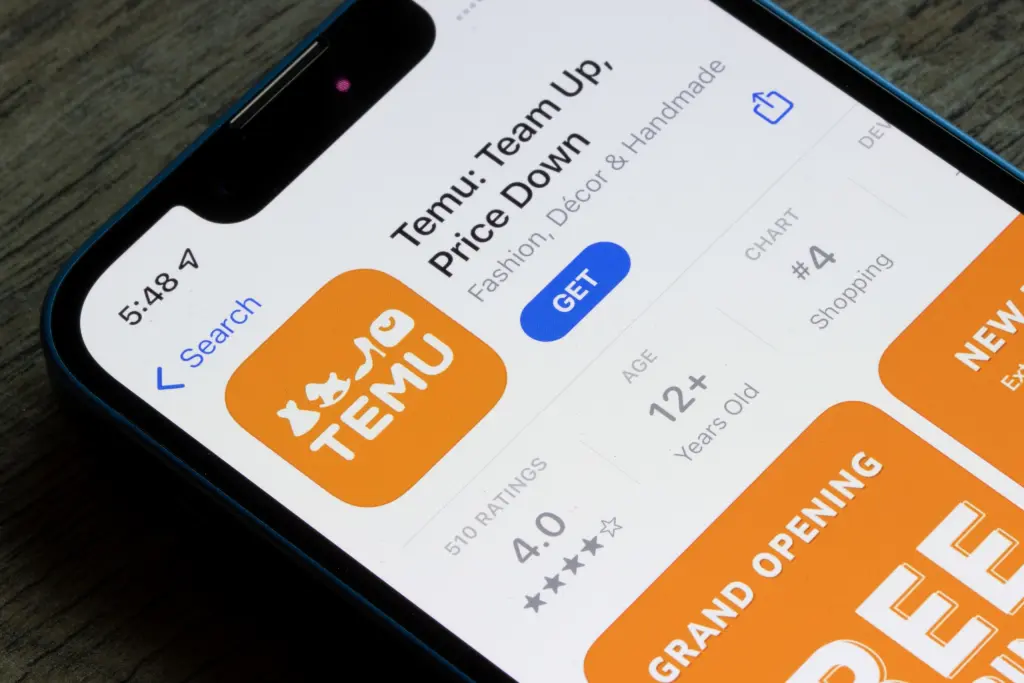
Photo credit: Tada Images / Shutterstock
In a nutshell, it’s a discovery-based app that sells unbranded items cross-border from China. This means the company is targeting a fairly small segment of the market.
While Amazon and other search-based sites shouldn’t be scared of Temu, TikTok and Instagram should be nervous. Let me explain why.
The lowdown
Boston-based Temu is a retailer owned by PDD Holdings, a company with market capitalization worth US$100 billion. PDD also owns the massive Chinese ecommerce site Pinduoduo.
Temu’s business model encourages people to shop in the same way they use TikTok and Instagram – by scrolling through a personalized feed of recommended products.
Temu features a wide range of merchandise that are generally unbranded, cheap products from China. The company relies heavily on marketing, so its personalization engines have plenty of data to serve up good results.
It focuses on offering discounts and free overseas shipping, as all the products are dropshipped from China. Temu also promotes games that users can play to give them access to promotions, partially by inviting others to join the app.
Hitting the US hard
Temu has already achieved a lot in its quest to conquer the US market. For starters, it has been in the top ranks of the country’s app stores since its launch in September 2022.
By December, 44.5 million unique visitors had flocked to its website, surpassing even the numbers of ultra-fast fashion app Shein and San Francisco-based Wish. Of course, there’s also Temu’s Super Bowl commercial, a coveted spot that doesn’t come cheap.
Interesting model
Let’s start with what’s not interesting about the Temu model. I’ve read a few articles that say the company’s strength is how it allows Chinese vendors to sell directly to US-based consumers.
This is nonsense, as Chinese sellers have been doing that via Amazon and other channels since at least 2017. It’s estimated that 38% of Amazon’s leading sellers are based in China.
Perhaps more importantly, the products that are on Temu are probably on Amazon, AliExpress, and Wish as well. So product novelty isn’t part of the secret sauce.
Search vs. discover
Fear factor





Stay updated on the go with our mobile app.
Get latest insights with smoother, more personalized experience through TIA mobile app.