
Caesar Sengupta of Google.
Google wants to make the world’s information universally accessible, and that means both the child in rural India and the tech geek in San Francisco have equal access to the internet’s wealth.
At the Tech in Asia Singapore 2016 conference, Google’s vice-president of product management, Caesar Sengupta, broke down how the company has been working towards the goal of “reaching the next billion users.” These are people who will likely rely on their smartphones for most of their computing tasks.
Here are the 10 key initiatives under this project:
1. Launching Android One
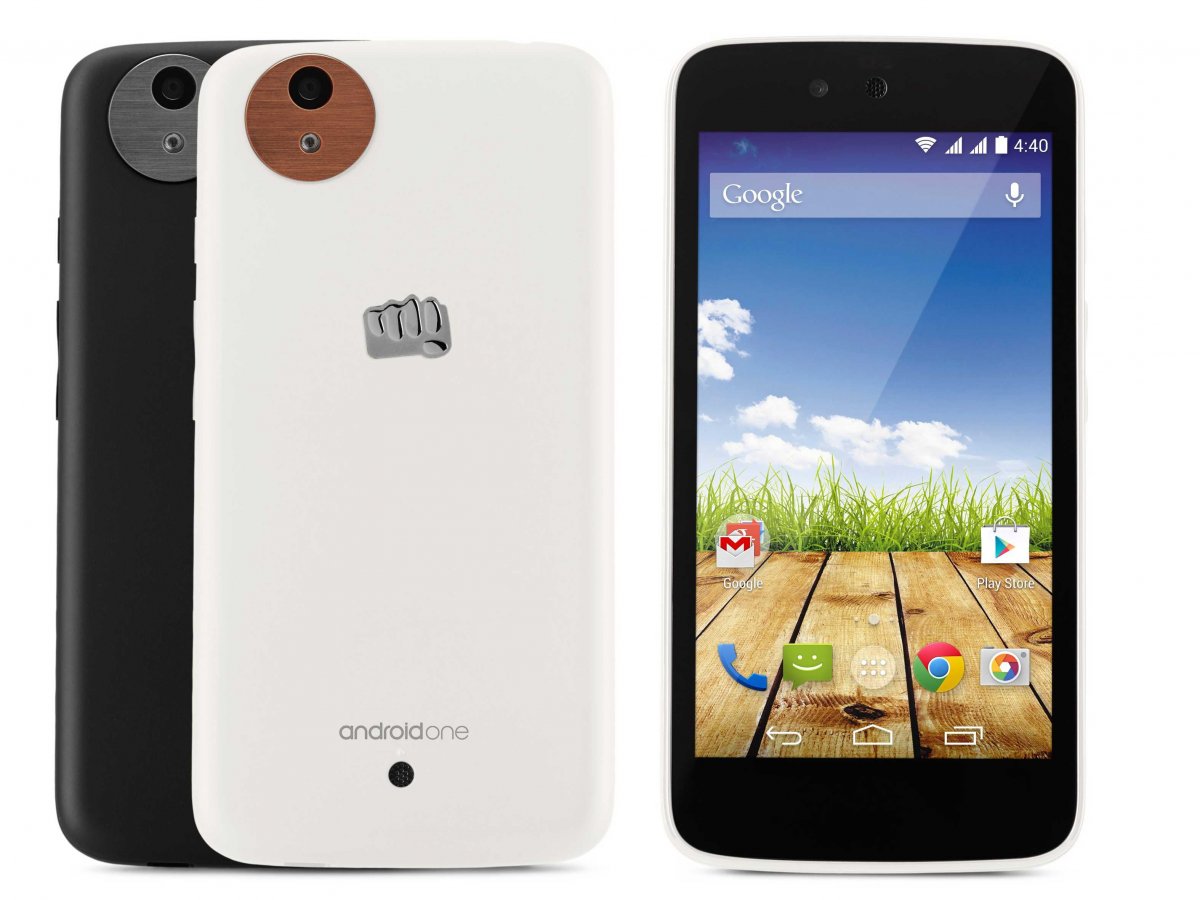
Google launched the Android One scheme last year, though it didn’t meet expectations. It was an attempt to work with phone makers to launch budget smartphones that anyone can afford to buy.
Caesar said the program is alive and well, although he didn’t reveal how many phones have been sold.
Android One has been launched in over 20 countries, and has forced other budget phone makers to up their game. For example, it was previously impossible to upgrade the Android operating system on a cheap smartphone in India.
Now, vendors promise Android updates when they sell the phones, Caesar claimed. As a result, consumers can receive better Google services.
2. Improving the speed of Google searches in emerging markets
It has reworked its search result pages to load faster on mobile phones in emerging markets. Caesar claimed Indonesian users are seeing an improvement of up to four times in search speeds and up to a 10 times reduction in data used.
3. Making its products available offline
Google’s products require an internet connection to work. This can prove to be a problem in countries where mobile networks are spotty. So Google decided to make some of its apps more useful without an internet connection.
For example, you can now get directions on Google Maps when you’re offline. You can also download videos on YouTube for consumption later. The feature is available in 70 countries.
“People would go to internet cafes, download a whole bunch of videos, and then watch videos the rest of the day,” he said.
4. Setting up an engineering team in Singapore that’s focused on the next billion users
5. Helping to train 100,000 developers in Indonesia
6. Selling the Chromebook to schools
7. Giving local Google teams autonomy to localize products
8. Launching a data-saving feature in Chrome
9. Building fiber networks for countries that lack it
10. Beaming down the internet using balloons





Stay updated on the go with our mobile app.
Get latest insights with smoother, more personalized experience through TIA mobile app.











📅 Upcoming Events
22 October 2026
Payoneer x CSPN Summit 2026