 Malavika Velayanikal · · 12 min read
The maverick accelerator that gets no equity if its startups don’t hit revenue milestones
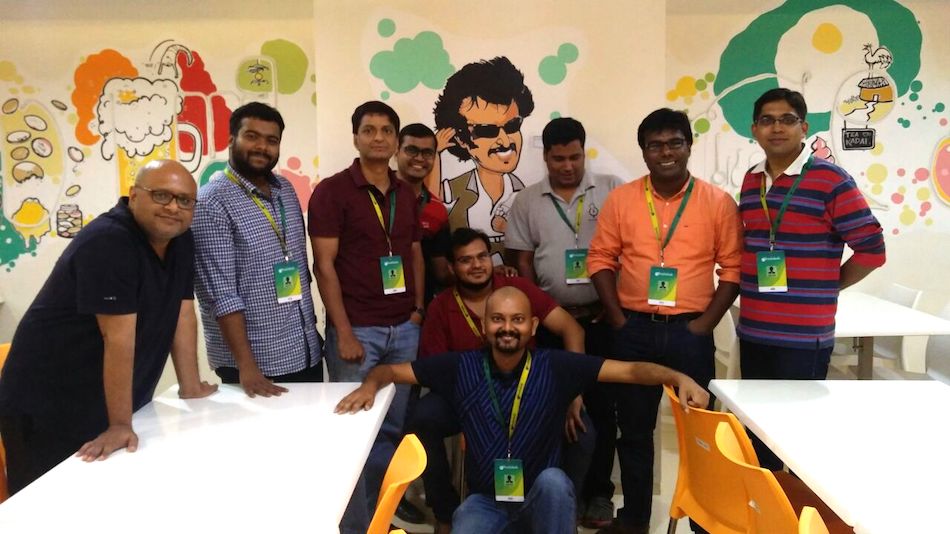
Upekkha’s first cohort of startups at Freshworks’ office in Chennai, India. Photo credit: Upekkha
You can’t always believe everything an accelerator promises. This is a lesson most startup founders – and scribes like me – learn the hard way.
Most accelerators lure startups with the promise of support – mentors, network, and funding. But not much of what’s promised is tangible. There things turn fuzzy. Founders who give away a chunk of their equity – 7 to 15 percent usually – get a thrill when their startup gets into an accelerator, maybe enjoy media limelight as well. But few, if any, see an acceleration in key business metrics.
In B2B SaaS, getting to US$8,000 MRR should not be that hard. But getting from US$8,000 to US$80,000 MRR is very hard. Most startups die in that period.
Prasanna Krishnamoorthy saw this far too often from the founder’s shoes. In the last 10 years, he has worked with around 120 startups as the CTO-in-residence with Microsoft Accelerator in Bangalore, co-founded a startup himself, and felt scaling up pangs acutely. He knew what mattered most for a startup’s survival and growth was its revenue and user base.
So when Krishnamoorthy quit Microsoft in January 2017 to start Upekkha, an accelerator for SaaS (software-as-a-service) startups, he went unorthodox. He stuck his neck out and chose to tie his accelerator’s success to that of its startups in the most tangible way he could think of: by promising startups a revenue outcome by the end of the accelerator program. If the startups did not hit the revenue milestone, Upekkha would get no equity. That’s real skin in the game, he felt.
Now, seven months after it took in its first cohort of four startups selling business-to-business (B2B) SaaS, Upekkha steps out of stealth, revealing its outcome thus far. Monthly recurring revenues (MRR) of the current batch of startups – AppKnox, InterviewMocha, iZooto, and SocialPilot – have grown by 88 percent on average, it says.
“In a B2B SaaS business, getting to US$8,000 MRR should not be that hard. But getting from US$8,000 to US$80,000 MRR – that’s about a million dollars in annual recurring revenue (ARR) – is very hard. And most startups die in that period,” Krishnamoorthy says. “The mortality rate of startups is the highest in the US$100,000 to US$1 million annual revenue phase. That is where I wanted to help.”
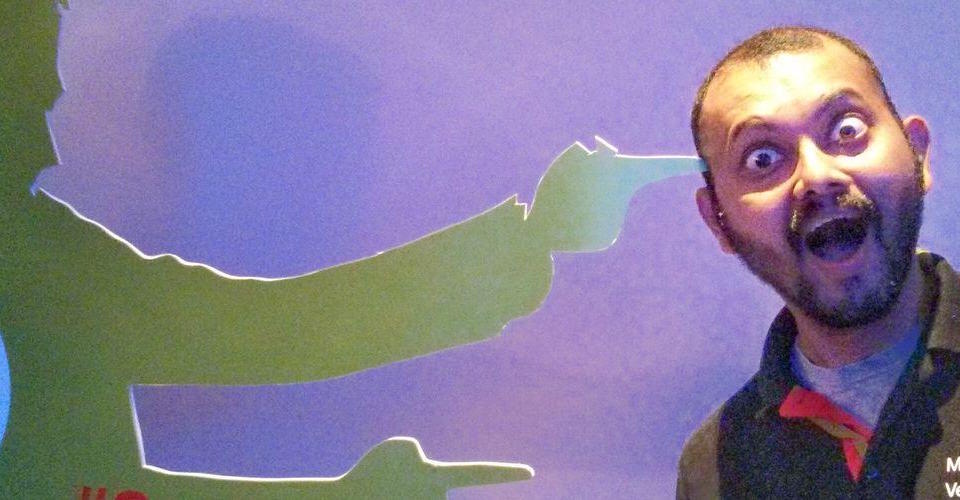
Upekkha founder Prasanna Krishnamoorthy. Photo credit: SaaSx
The first step Krishnamoorthy took when he decided to start Upekkha was to reach out to others in the SaaS startup ecosystem – successful founders, mentors, and investors.
“I spoke to a lot of them discussing what should I do, how should I do that, and so on. Iteratively, we came to the outcome-based model of Upekkha. The beauty of SaaS is that there’s only one metric that matters – that’s revenue. So, that means only if we can achieve that metric and build something that is milestone-based, will Upekkha get to its product-market fit.” That’s the concept.
Hike across the valley of death
The set of scalable, structured frameworks for startups Krishnamoorthy had co-created during the last three years with Microsoft Accelerator came in handy. He had seen startups apply those and break the death-hold phase.
“In the SaaS business, if you get to a million-dollar revenue stage, you should be breaking even and at least a little bit cash flow positive by then. Which means, you will then have a lot of options in terms of how you want to grow the company beyond that: take funding, stay bootstrapped, and so on,” he explains.
The nurturing village
Pricing conundrum
Pick your target customer
Not Russian roulette, really





Stay updated on the go with our mobile app.
Get latest insights with smoother, more personalized experience through TIA mobile app.











📅 Upcoming Events
22 October 2026
Payoneer x CSPN Summit 2026