 Paul Bischoff · · 3 min read
Thanks to China, Android apps now make more money than iOS apps
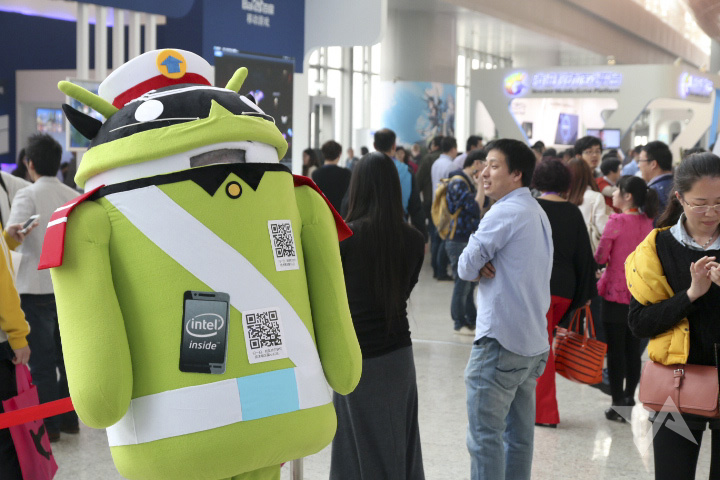
"Accepted wisdom and research tells us that iOS makes more money than Google Play, despite Google Play having more downloads. Nobody would argue with that," says Tim Merel, founder and managing director of Digi-Capital. "But what about iOS versus Android at a global level? Include the massive Chinese Android app stores, and Android didn’t just dominate download volumes, it made more money than iOS last year."
A new report (paywall) today from tech-focused investment bank Digi-Capital shows, for the first time, Android apps made more money than iOS apps in 2014. But before you switch to an Android-first development schedule, keep in mind that iOS apps are still far more lucrative on a per download basis. The wider proliferation of Android devices across the world means Android makes more as a gross total, despite iPhone owners spending much more on apps than their Android counterparts.
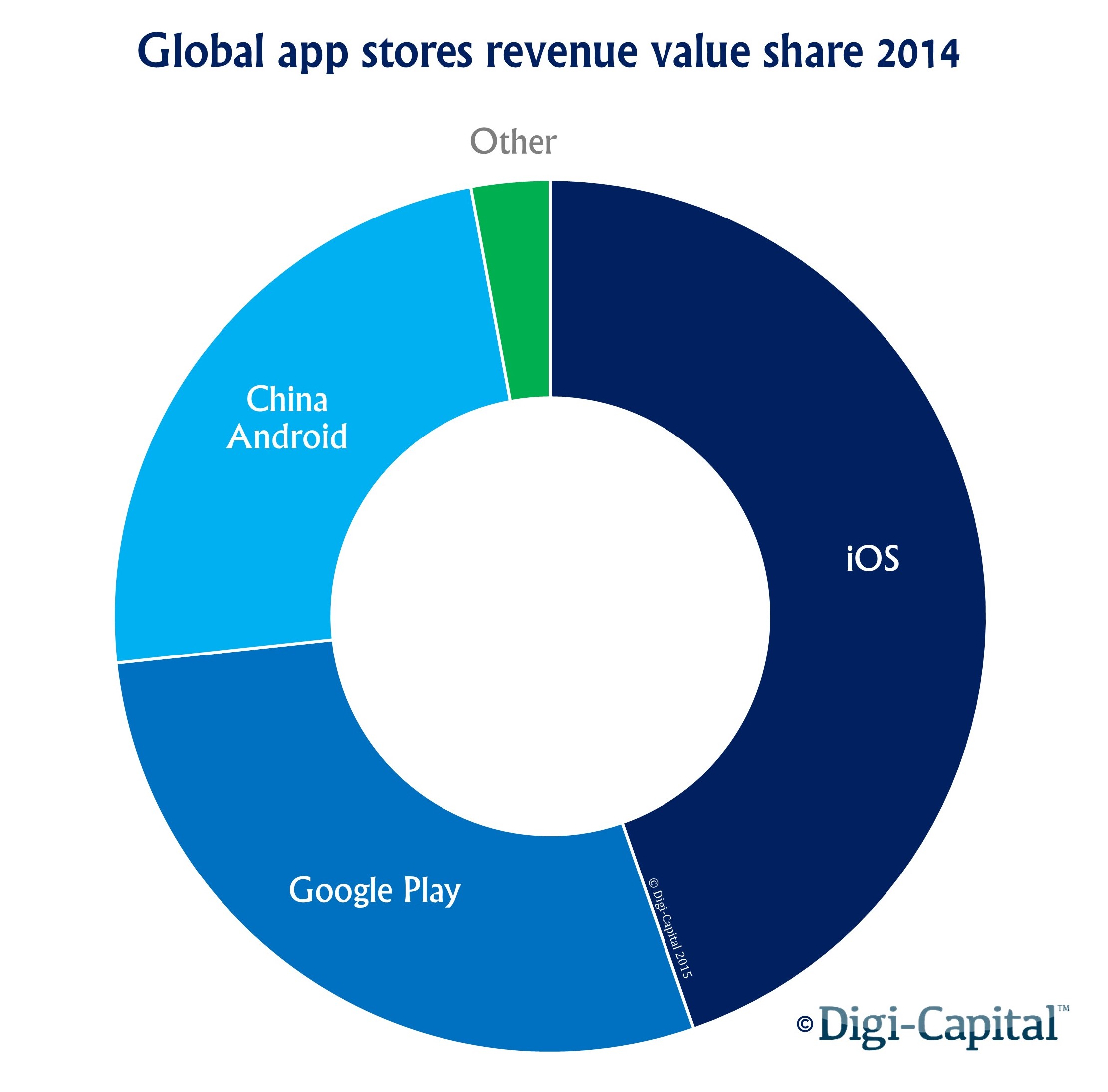
"Dominating downloads is great, but downloads can be a vanity metric if they aren’t backed up by corresponding revenue. Analyzing revenue data and research across global app stores – including China – changes the picture from iOS versus Google Play, to iOS versus Android," Merel explains. "So where iOS generates the most revenue of any one individual app store globally, followed by Google Play and Chinese Android, all Android app stores combined passed iOS revenue at a global level for the first time in 2014.”
“In other words, iOS made less money than Android last year. And that’s a big deal."
Despite Google’s lack of a consumer-level presence in China (and with Google Play blocked in the country), it was the Chinese market that tipped the scales in Android’s favor, according to Merel. Both Google Play and iOS are in the minority of total app downloads, pushed out by alternative Chinese Android app stores like Beijing-based startup Wandoujia, as well as Android download portals from tech titans such as Baidu, Qihoo, and Tencent.
"Apple and Google took very different approaches to China. Apple embraced China with spectacular success, but Google ultimately exited," he says. "Together with China’s inherent strengths and business dynamics, the Chinese app ecosystem now looks fundamentally different to all other markets."
Merel says iOS is a value market, Google Play is a hybrid value-volume market, and Chinese app stores are pure volume markets. "Apps in China must hit more than eight times the number of downloads on average compared to iOS to make the same amount of money," he says – and they did so last year.
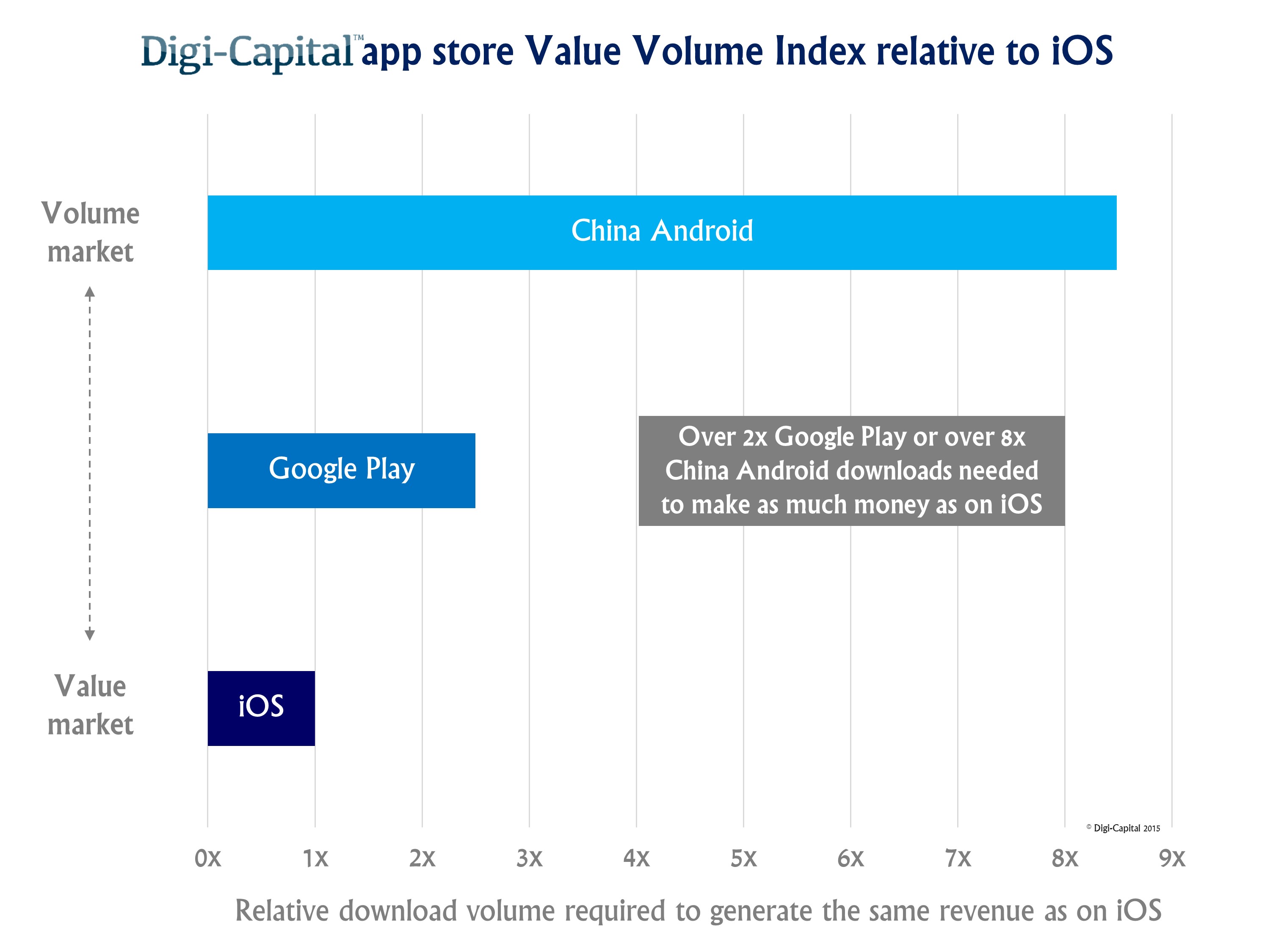
"The volume nature of Chinese Android app stores shows how distribution relationships are critical, as without massive downloads the Chinese market is challenging. But hit it big in China, and the streets are lined with golden cats and red envelopes."
Editing by Steven Millward, top image by Digi-Capital
(And yes, we’re serious about ethics and transparency. More information here.)





Stay updated on the go with our mobile app.
Get latest insights with smoother, more personalized experience through TIA mobile app.












📅 Upcoming Events
22 October 2026
Payoneer x CSPN Summit 2026