- Premium Content It takes our newsroom weeks - if not months - to investigate and produce stories for our premium content. You can’t find them anywhere else.
 Samreen Ahmad · · 4 min read
AI-powered Heidi lands in SG, aims to cut doctors’ paperwork load
Australia-based Heidi has announced the launch of its Southeast Asian hub in Singapore, following its recent US$65 million series B funding round.
The healthcare AI startup expects to make “a million or more revenue in the next few years from the region,” founder Thomas Kelly tells Tech in Asia.
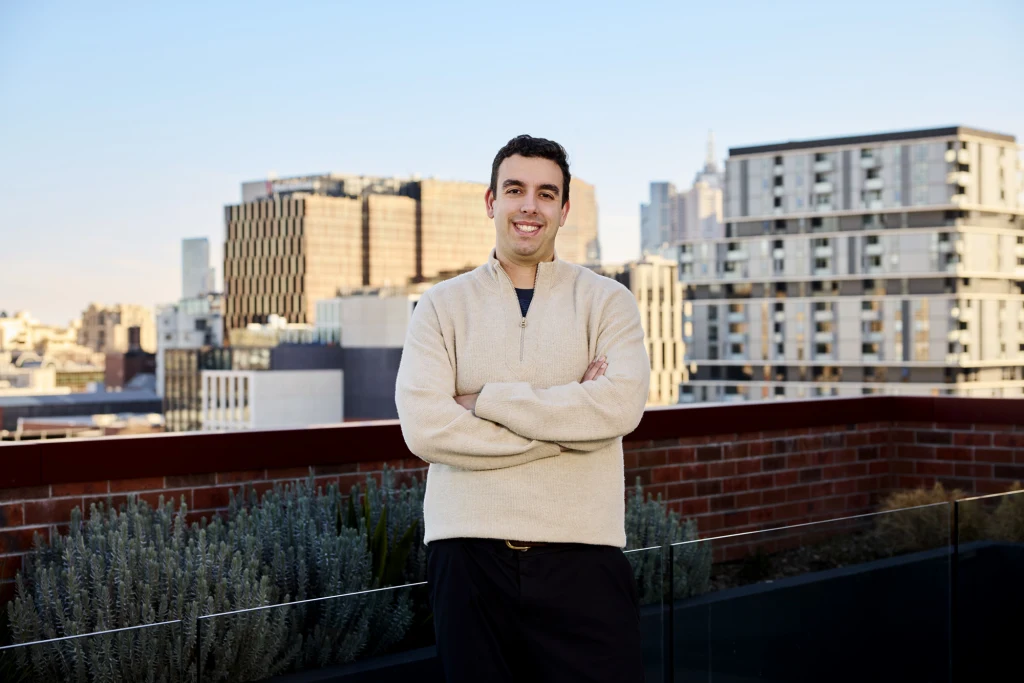
Heidi co-founder Thomas Kelly / Photo credit: Heidi
Established in 2019 by Kelly, Waleed Mussa, and Yu Liu, Heidi transcribes clinician-patient conversations into structured clinical notes so medical professionals can focus on patients. The company says it has supported nearly 55,000 consultations in Singapore to date.
The firm plans to invest up to US$8 million over the next two to three years in Southeast Asia, focusing on building local teams and hiring for 10 to 12 roles.
“The last 1% perfection”
As a doctor himself, Kelly says paperwork takes up too much of a physician’s clinical time, which involves direct patient care and training in clinical settings. This can lead to burnout and slows patient care.
“I had to see almost 100 patients over three or four hours, and you are always in a rush with lots of documentation,” he says.
With Heidi’s assistance, most doctors can cut up to 30 to 60 minutes from their daily and cognitive load. For clinicians with lots of documentation work – such as psychiatrists and general practitioners – they can save up to two hours a day, according to Kelly.
But why can’t doctors use a general transcription tool like Otter.ai?
While many of such solutions exist, Kelly argues that they are not built for use in medicine. Standard programs struggle to transcribe medical terms and mixed-language consultations and don’t have strict privacy rules.
They also produce drafts that doctors have to edit heavily, which doesn’t really save them time Kelly points out.
Deepak Tuli, who has built a similar AI tool for Indian physicians called Eka Care, agrees that accuracy depends on access to the right data.
Healthcare voice data is highly sensitive and can only be used for model training with explicit consent from both doctors and patients.
Companies like Heidi, Tuli explains, have an edge. The Australian firm has already collected and trained on compliant clinical datasets in its home country, allowing it to be over 95% accurate – a number that newer entrants will struggle to bridge.
Language barrier
Stay ahead in Asia’s tech landscape
This is premium content. Subscribe to read the full story.
Australia gave the world Canva. Is Heidi its next breakout? Dive into the startup’s approach to saving clinical time as it expands across Southeast Asia.
We know this is not ideal. ⌛ Sign up in 20 seconds. Cancel anytime.
Our subscriber community includes professionals from these companies:





Stay updated on the go with our mobile app.
Get latest insights with smoother, more personalized experience through TIA mobile app.