Dear readers,
Providing in-depth coverage of Vietnam has been on our to-do list for some time – it’s one of the largest markets in Southeast Asia after all. It’s also a country that’s hard to cover if you don’t know the language.
Last week, in the debut piece of our Vietnamese journalist, Thu Huong Le, she analyzed the implications of a much-anticipated merger between two prominent local ecommerce marketplaces: Sendo and Tiki.
We believe it’s an important move: Vietnam’s ecommerce market is a fraction of the size of Indonesia’s and its infrastructure is less developed, too. Sendo and Tiki need to aim their marketing budgets toward closing the gap with Shopee.
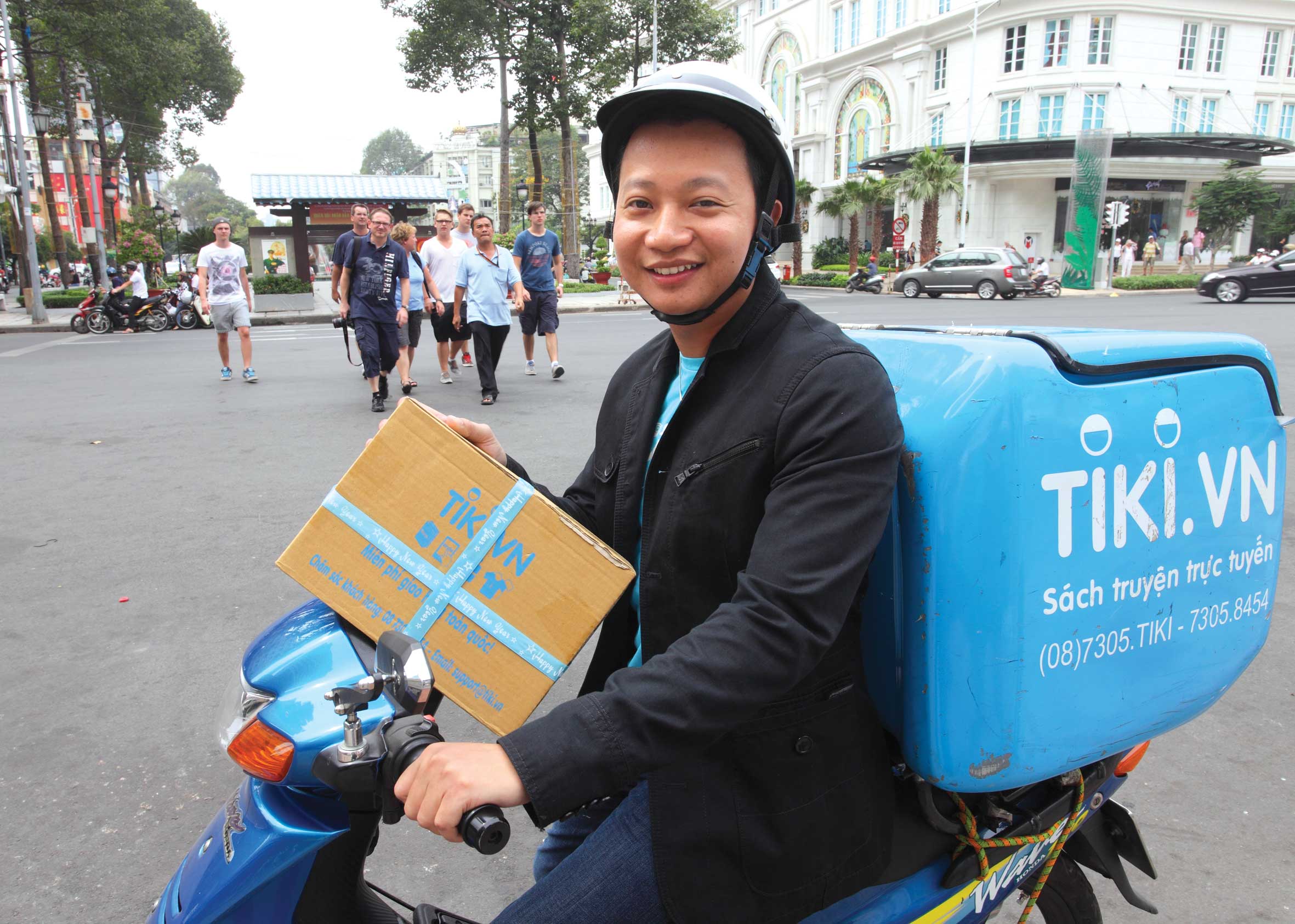
Son Tran Ngoc Thai, founder of Tiki. Image courtesy Tiki
But the Tiki camp is throwing a spanner in the works. As DealStreetAsia reported, the company’s most influential shareholder, Chinese ecommerce giant JD.com, is calling off the merger at the 11th hour. The reason: a widening gap between Tiki and Sendo post-Covid-19 in favor of the former.
Huong’s analysis seems to validate this somewhat, with Sendo’s estimated web traffic dropping significantly against Tiki’s.
She also rightly pointed out that mergers of this nature are bound to be complicated due to the complexities and competing interests involved.
So what’s next for Sendo and Tiki? First, the deal is not necessarily dead – these media-driven histrionics could be a tactic to renegotiate the terms.
Second, it’s apparent that JD has enough resources to invest more into Southeast Asia if it wants to. Right now, it doesn’t appear to be making moves in Vietnam or Indonesia that changes the pecking order, but that could change down the line.
Whatever happens next, we’ll be here to help make sense of things. We also can’t wait to show you what else we have in our pipeline of stories about Vietnam.
Moving on, a number of other things caught our attention. Our China reporter, Nicole Jao, broke down a Chinese smartphone brand’s rapid rise in Southeast Asia and India. Launching another smartphone brand these days might seem counterintuitive due to the thin margins and commoditized nature of the product, but Realme has some advantages going for it.
Lastly, Singapore reporter Joseph Gan tackled a taboo: the rise of cannabis tech in Asia. As someone who’s never tried the product, I must say editing this piece has been educational for me.
It’s interesting that the Singapore government, known for its tough stance on drugs, is researching on how to produce the chemicals in cannabis without growing the plant. A VC in Singapore is also starting a dedicated cannabis fund.





Stay updated on the go with our mobile app.
Get latest insights with smoother, more personalized experience through TIA mobile app.