
Southeast Asia’s payment landscape has changed dramatically over the last decade. For many years, cash and credit cards were the only means of transacting in the region.
But nowadays, they’re just among the many payment options available to consumers. Digital wallets and QR payments abound, and these new options are available across all aspects of life, whether you’re purchasing food from a roadside hawker or shopping for clothes online.
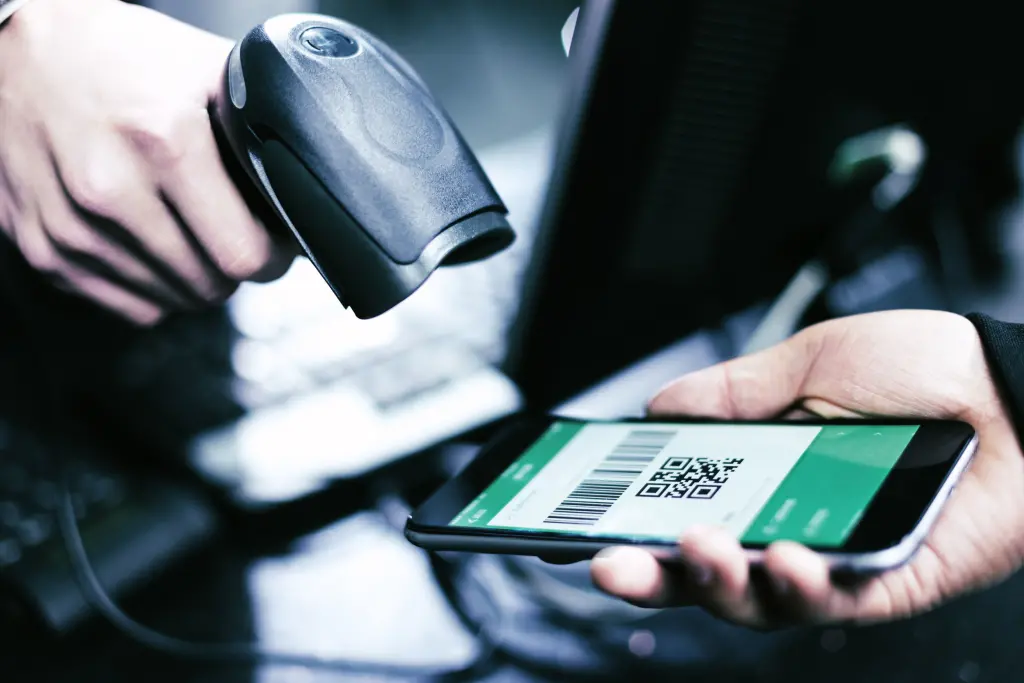
Photo credit: zhudifeng / 123RF
And the region’s payments scene is set to grow even bigger.
“The potential of Asia has been talked about by everyone interested in the [payments] industry,” says Rachelle Alexis Lim, executive director of strategy and business development at payments platform provider 2C2P. “Now, it’s finally starting to realize its potential and take the lead in payments growth globally.”
Digital wallets in Southeast Asia are expected to see 250 million new users by 2025, according to a recent report produced by the International Data Corporation and commissioned by 2C2P. Digital wallet spending is also estimated to grow 2.8x over the same time period, jumping from US$12.8 billion to US$48.1 billion.

A convergence of factors
According to Lim, there are many reasons for this significant growth and digitalization of payments in Southeast Asia.
For starters, having a largely mobile-first population with increased access to the internet was a key factor.
“Things like smartphones and internet access have become a given, which has made it so much easier for many players,” she explains. “Several years ago, when mobile point-of-sales dongles were first being rolled out, we were concerned about feature phones and weren’t sure if people could navigate different apps and services. But all that has changed.”

Rachelle Alexis Lim, executive director of strategy and business development at 2C2P / Photo credit: 2C2P
Additionally, larger forces have helped propel digital payments along. Governments in Asia have been working on developing infrastructure designed to facilitate real-time payments and building up local payment networks. Plus, the success of China’s digital wallets such as Alipay and WeChat Pay sparked interest in developing similar products in Southeast Asia, giving rise to many notable startups offering digital payment services.
This, in turn, led to the development of greater security measures to safeguard alternative payment methods, such as biometric verification.
“There was a time where one-time passwords (OTPs) were considered a very advanced form of security,” says Lim. “Now, it’s fundamental, and authentication protocols have been updated to allow consumers to transact seamlessly and safely, at times even without requiring an OTP.”
Of course, the Covid-19 pandemic has only accelerated the adoption of alternative, cashless payment methods.
“All of this led to a mindset shift for consumers away from cash and into digital payments,” adds Lim.
The evolving landscape
Digital wallets are only the first frontier of new products and services that were developed to meet the payment needs of consumers. As Southeast Asia’s payments scene continues to grow, new trends are coming up in the space.
Buy now, pay later – also known as BNPL – is getting a lot of interest this year. While paying in installments is not new, being able to do so has become increasingly important among consumers, thanks to uncertainties around income and employment brought on by the pandemic.
While bank-sponsored installments have been available to consumers “for decades,” this option is “typically only available to those with credit cards,” says Lim. However, the penetration rate for credit cards in Southeast Asia “is relatively low at less than 10% in countries such as Thailand, Vietnam, and Indonesia,” she explains. “With BNPL, we’re seeing players, especially locally led ones, focused on really enabling and extending this capability to non-carded sectors.”
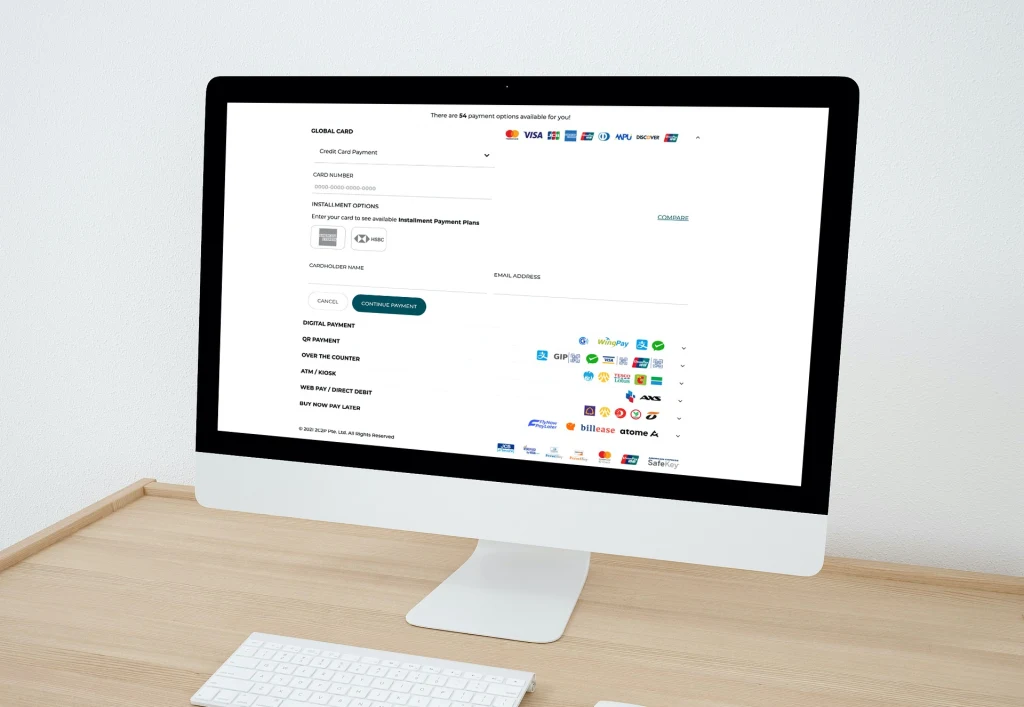
Photo credit: 2C2P
BNPL is an area of interest to 2C2P, which focuses on providing payments solutions to merchants across all payment types. The firm has struck up partnerships with several local BNPL players in the region, such as BillEase and Atome, to offer the service as an option to the merchants on its platform.
According to Lim, such partnerships allow merchants and consumers to test the waters around BNPL options, allowing 2C2P to ensure that its customers have access to the most comprehensive set of payment solutions available.
“Our merchant client base can access BNPL as a payment option without needing to start from scratch [while] BNPL firms can leverage 2C2P’s payments infrastructure to collect installments,” she shares. “And of course, consumers now have the ability to purchase more high-ticket items.”
With so many payment methods emerging, Lim believes that merchants – big or small – will need to accept a more diverse range of options in order to reach a greater pool of customers. However, while it’s easy for large corporations to offer different payment methods, it’s a lot harder for smaller companies.
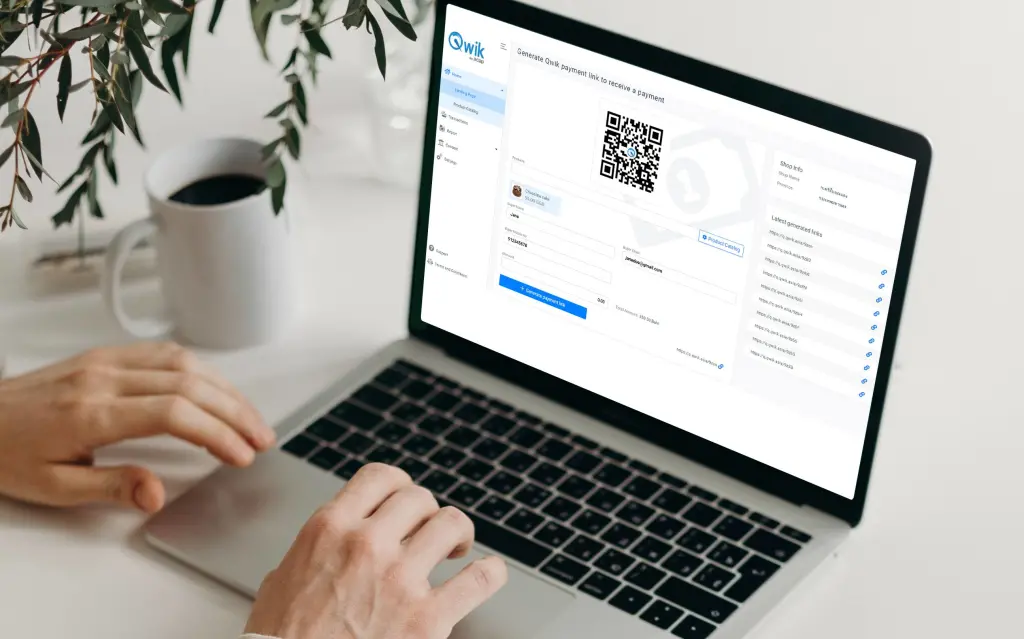
To that end, 2C2P launched a mid-market payment solution late last year. Called Qwik, the service enables small businesses to receive payments by sending a link to customers, which then directs them to a page where they can choose how to pay. This has proven to be especially helpful for social commerce, where merchants often communicate with customers over platforms like Facebook and WhatsApp.
2C2P’s mid-market payment solution, Qwik / Photo credit: Qwik
“We want to make it as easy as possible for our merchants to reach every type of consumer while recognizing that online consumers are not only [limited to] the carded consumers, but [it also includes] the uncarded, unbanked, and underbanked segments,” says Lim.
The road ahead
While Southeast Asia’s payments landscape has transformed tremendously over the years, there is still much more that lies ahead. As digital payments continue to gain popularity, Lim expects that the industry will start to see a consolidation of players.
“There are at least 200 wallets from both private and public sectors across the region, and I think it’s fair to expect that some will be more successful than others,” she contends. “And we can expect to see the same thing happening with other payment options, such as BNPL.”
2C2P also anticipates that there will be a greater standardization of payment protocols and specifications across different markets, especially as cross-border payments become more widespread.
Lim pointed out that several regional standards have been implemented, and some of them, such as adopting QR standards, have already received government support. “We’re seeing that more and more new markets adopt these common standards and make it easier for businesses to operate across different markets,” Lim says.
Case in point: PayNow, Singapore’s national peer-to-peer payments network, has been linked to Thailand’s PromptPay for cross-border payments – the first tie-up of its kind in the world. Plans to connect PayNow to Malaysia’s DuitNow in a similar fashion are underway as well. These linkages would facilitate a broader set of payment options for merchants in the region, allowing them to tap into a more sizable market.
Plus, new types of payments will continue to come up in the years ahead.
According to Lim, cryptocurrency is a promising space, especially as nations begin looking into central bank digital currencies (CBDCs). While still nascent, CBDCs do have the potential to take off in Southeast Asia and could very well become yet another payment option for consumers and merchants.
Ultimately, the region’s payments scene will only get more diverse, and Lim is confident that 2C2P can keep up with the changing demands of its users.
“Every market in Southeast Asia has its unique characteristics,” she says. “We’ll continue to build up our local expertise and capabilities to keep up with the trends, and ensure that merchants and consumers can continue engaging with online commerce.”
2C2P is a leading payments platform provider serving global enterprises in emerging markets.
Learn more about 2C2P on its website.
This content was produced by Tech in Asia Studios, which connects brands with Asia’s tech community. Learn more about partnering with Tech in Asia Studios.
Stay updated on the go with our mobile app.
Get latest insights with smoother, more personalized experience through TIA mobile app.
Recommended reads
 Life’s a game, and AI agents are Animoca’s new play
 Indonesian AI startup goes global
 Forrest Li on scaling Sea, building smarter bots, and founder grit
 An AI assistant that joins sales calls and scores team skills
 Beyond the check: Why VCs need more than capital
 SGX’s CEO says it doesn’t need a unicorn to win
 SMEs want AI too, but not the kind Big Tech is selling
 Oatside’s alt-milk rise hits a profitable gear
 Alibaba’s financial health in 12 charts
 Asia’s telcos bundle AI into mobile plans. Will it pay off?





Editing by Nathaniel Fetalvero and Eileen C. Ang
(And yes, we’re serious about ethics and transparency. More information here.)