Doris Yu · · 3 min read
Singapore AI startup bags $2.2m to create a drug that helps extend human life
Singapore-based Gero, an AI platform that develops new drugs to combat aging and other disorders, today announced that it has raised US$2.2 million in a series A funding round, bringing its total capital raised to over US$7.5 million.
The round was led by machine learning-focused VC firm Bulba Ventures, along with existing investors and serial entrepreneurs in the fields of pharmaceuticals, IT, and AI. Yury Melnichek, co-founder of Bulba Ventures, has joined Gero’s board of directors.
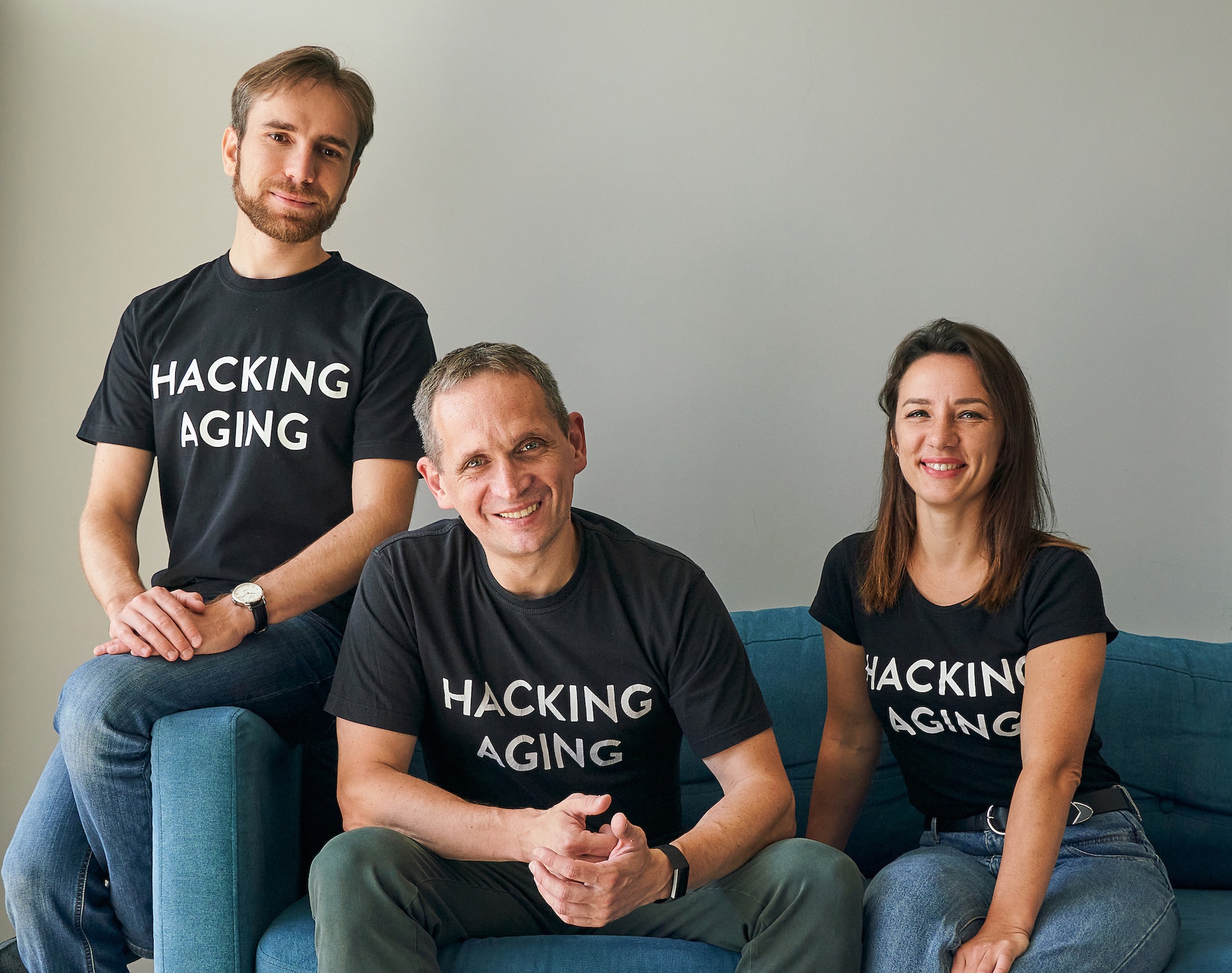
Gero team (from left): Konstantin Avchaciov, Peter Fedichev, and Olga Burmistrova / Photo credit: Gero
The startup will use the new funds to further develop its AI platform for analyzing clinical and genetic data to identify treatments for chronic aging-related diseases, mental disorders, and other diseases.
What problem is it solving? “Aging is the most important single risk factor behind the incidence of chronic diseases and death. […] We are ready to slow down – if not reverse – aging with experimental therapies,” Peter Fedichev, co-founder and CEO of Gero, told Tech in Asia.
The company observed that as population growth slows down, the average lifespan increases. For example, there will only be 250 million people older than 65 by the end of the decade in China. Countries like Singapore, meanwhile, are not able to attract enough migrants to help offset the aging population.
Gero then wants to provide a medical solution to help extend healthspan as well as improve the overall well-being and productivity of its future customers.
It’s trying to do so by collecting medical and genetic data via a repository of biological samples and creating a database of blood samples collected throughout the last 15 years of patients’ lives. Its proprietary AI platform was able to determine a type of protein that could help with rejuvenation if blocked or removed.
Gero claims that subsequent experiments involving aged animals have demonstrated mortality delay and functional improvements.
What is the opportunity and what are the challenges? According to the company, the US longevity market alone is expected to reach US$13.5 trillion by 2032.
“Even though the [total addressable market] seems infinite, in reality, the situation is somewhat less rosy,” Fedichev noted. “Biology is hard and aging is not a disease and hence, you cannot reasonably expect to get registration of drugs aimed specifically against aging in a general population.”
The chief exec also acknowledged that helping to extend human life with a drug isn’t so new. Alphabet’s Calico and pharmaceutical major Novartis have had similar initiatives. Other players also include Nasdaq-listed Unity Biotechnology and Alkahest.
But Gero plans to focus on clinical trials in vulnerable populations, such as cancer patients, who are experiencing symptoms of accelerated aging. With its anti-aging therapeutics, the company believes that it could help reduce adherence to chemotherapy and improve quality of life after treatment.
“Using cancer-supportive care as an entry point for anti-aging therapy should let us tap into a US$20-billion-a-year – and quickly growing – market and simplified regulatory procedures,” Fedichev said.





Stay updated on the go with our mobile app.
Get latest insights with smoother, more personalized experience through TIA mobile app.