Gabriel Budi Sutrisno · · 4 min read
Gojek to add $17.6b to Indonesian economy: report (updated)
Update (Nov. 9, 01:35 p.m.): This article was updated to include a statement from LD FEB regarding the purpose of the research and clarification from Gojek regarding its role in funding the study.
Gojek’s ecosystem is expected to contribute 249 trillion rupiah (US$17.6 billion) to the Indonesian economy in 2021 – a 60% increase compared to last year, according to a study by the University of Indonesia’s Demographic Institute of the Faculty of Economics and Business (LD FEB).
This means Gojek’s ecosystem would account for 1.6% of Indonesia’s gross domestic product, compared with 1% last year, the study adds.
The study considers Gojek and GoTo Financial, while excluding Tokopedia. Gojek is projected to contribute US$6.8 billion and GoTo Financial is estimated to add US$1.6 billion to the archipelago’s economy this year. The report estimates the economic impact of multipliers at US$17.6 billion, with multipliers of land and transport services assumed to be 1.77x, and that of food and beverage services pegged at 2.44x.
The multiplier effect refers to the positive impact experienced by other sectors because of activities in Gojek’s ecosystem, and it is calculated based on an input-output table, according to the LD FEB.
The magnified impact is in line with the increased income of Gojek’s driver partners and merchant partners in the second year of the pandemic, as well as the estimated income of its social sellers and the online sales of GoTo Financial’s merchant partners.
The average annual income of GoFood’s merchant partners is projected to increase by 66% this year compared to the year before. Meanwhile, GoCar and GoRide driver partners’ incomes are projected to grow by 24% and 18%, respectively.
The total increase in driver and merchant partners’ incomes is estimated to reach US$4.7 billion in 2021.
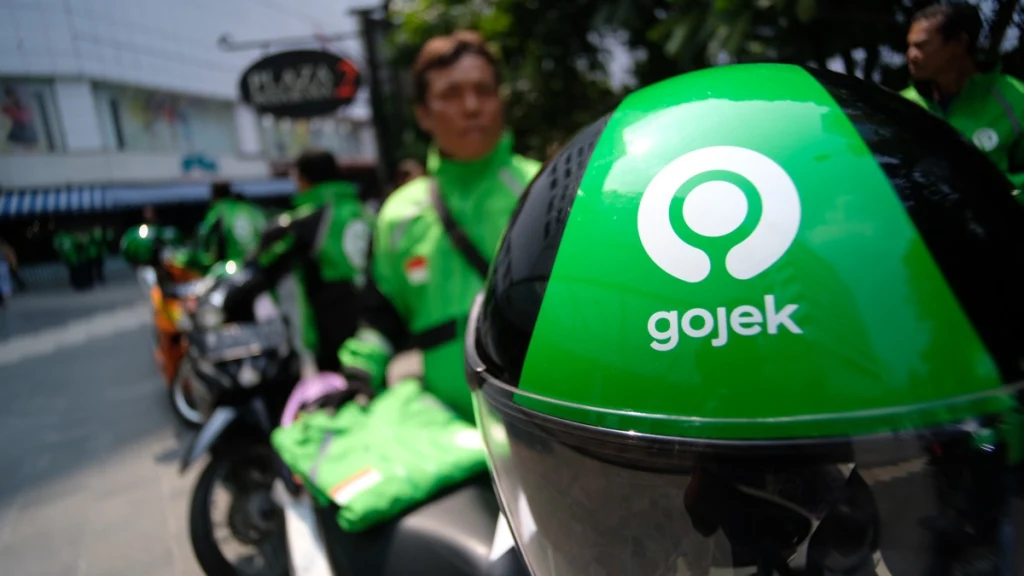
Photo credit: Tech in Asia Indonesia
“Last year’s research findings indicate that Gojek’s ecosystem helped its partners survive during the pandemic. This year, the research […] shows that Gojek’s ecosystem accelerates recovery for its partners,” LD FEB researcher Alfindra Primaldhi says.
LD FEB used a quantitative survey method, which gathered information from over 42,000 respondents through an online questionnaire that contained 30 questions. The respondents were Gojek’s driver and merchant partners as well as consumers who used the company’s services since at least March 2020.
Most of the respondents came from 21 major cities across the country, including Jakarta, Bandung, Yogyakarta, Medan, Samarinda, Makassar, among others.
The data was collected in August using the simple random sampling method, with the margin of error at 2% and the level of confidence at 95%.





Stay updated on the go with our mobile app.
Get latest insights with smoother, more personalized experience through TIA mobile app.