- Premium Content It takes our newsroom weeks - if not months - to investigate and produce stories for our premium content. You can’t find them anywhere else.
 Paige Lim · · 6 min read
Cloud kitchens: a failed recipe for Deliveroo, Grab, Foodpanda
Singapore no longer has cloud kitchens run by delivery platforms after Deliveroo closed its last two in August.
But at least two operators of such kitchens remain in the city-state, even as some F&B brands move away from the model.
Cloud kitchens, which prepare food for delivery or pickup without a shopfront, boomed amid dine-in curbs during the Covid pandemic.
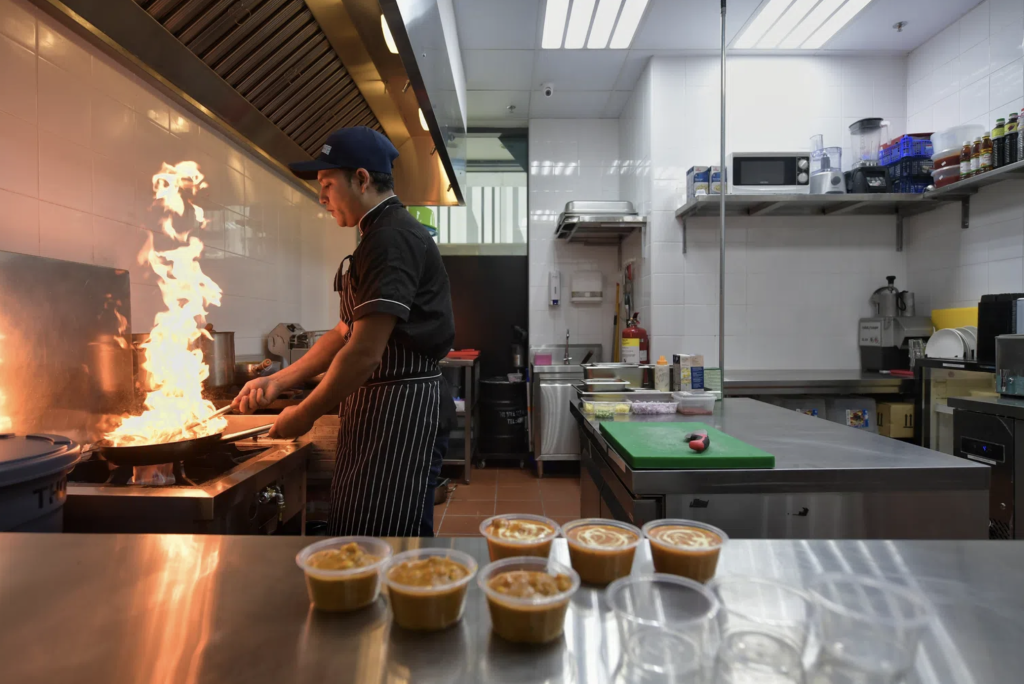
Deliveroo’s cloud kitchen at CT Hub 2. The delivery platform has since shut all of its cloud kitchens in Singapore, joining the likes of peers Grab and Foodpanda. / Photo credit: The Business Times
Typically providing 100 to 250 square feet per tenant, cloud kitchens cost less to set up and run than dine-in restaurants. They also serve as low-risk springboards for entrepreneurs to test brands.
But delivery platforms have since shut these facilities to optimize costs.
On August 20, Deliveroo shut its last two cloud kitchens in Singapore, citing high operational costs and waning demand from restaurants.
Grab had closed its last cloud kitchen in Hillview in early 2024, after shuttering an earlier one in Aljunied in 2022 and discontinuing such services in Vietnam, the Philippines, and Indonesia.
A Foodpanda spokesperson tells The Business Times that it closed its two cloud kitchens in mid-2022 “to focus on higher-growth business verticals” such as food delivery and its cloud grocery store Pandamart.
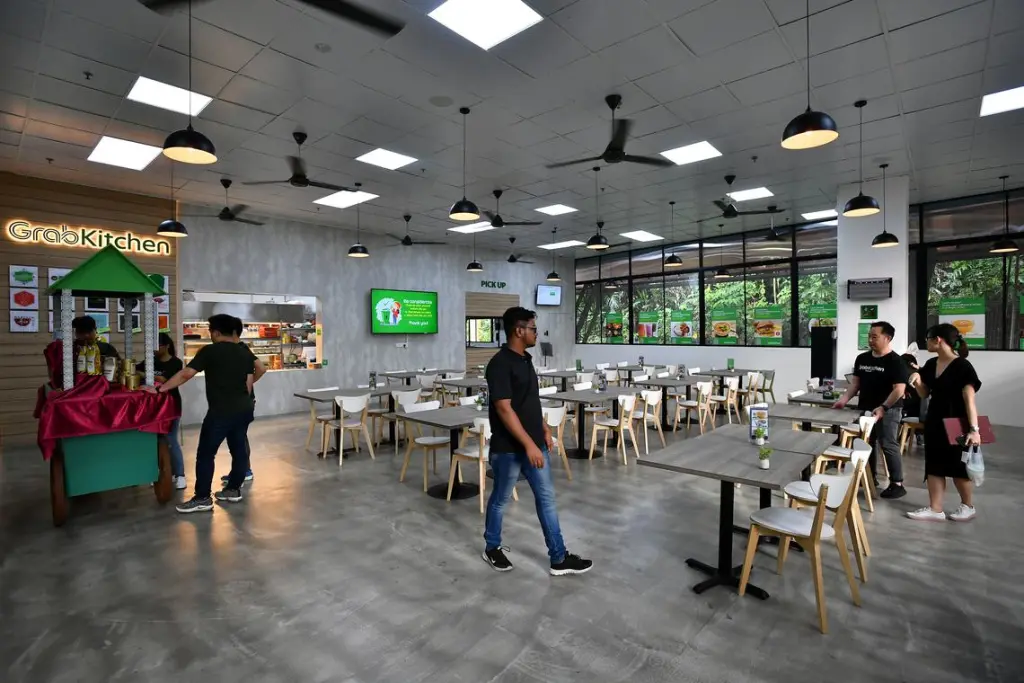
Grab’s cloud kitchen at Hillview, which came with eight kitchens and a small dine-in area. The space opened in January 2020 and shut in early 2024. / Photo credit: The Business Times
Li Jianggan, founder of consultancy firm Momentum Works, notes that delivery platforms have gone beyond deliveries and into other businesses such as dine-in deals and advertising.
These platforms would thus “need to allocate their investment and resources to areas with the highest return on investment, so it is natural for them to make adjustments” such as closing cloud kitchens, he explains.
Tight margins, tighter spaces
Some former tenants of cloud kitchens have moved out to optimize costs.
Sunny with a chance of meatballs?
Stay ahead in Asia’s tech landscape
This is premium content. Subscribe to read the full story.
Many cloud kitchen operators in Singapore have either shuttered or shifted gears, but others still believe in the model.
We know this is not ideal. ⌛ Sign up in 20 seconds. Cancel anytime.
Our subscriber community includes professionals from these companies:





Stay updated on the go with our mobile app.
Get latest insights with smoother, more personalized experience through TIA mobile app.











📅 Upcoming Events
22 October 2026
Payoneer x CSPN Summit 2026