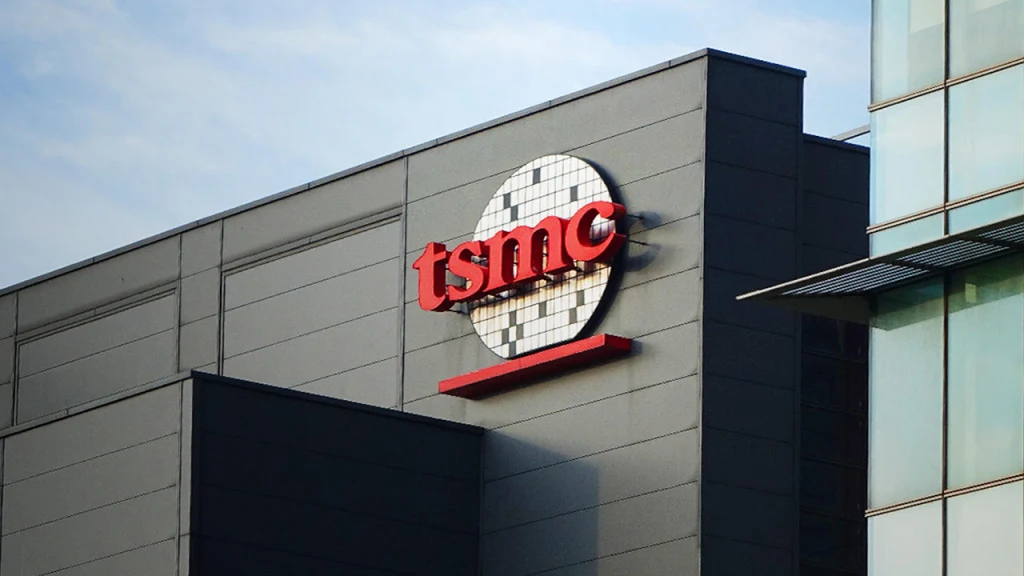
Photo credit: TSMC
As demand for consumer electronics weakens, an Allianz Trade report estimates that global semiconductor sales will fall to US$495 billion in 2023, a 15% drop compared to the year before. The downward slide comes after a record 24% year-on-year growth in 2021.
This may lead to ramifications for Asian markets that have long been dominant in the semiconductor industry.
China – the world’s largest importer and exporter of electronic components and goods – experienced a year-on-year decline of 2% in overall electronics exports to US$1 trillion in 2022. Still, it continues to have advantages such as a large domestic market and a strong presence across the value chain.
Government support, such as the new US$40 billion fund for semiconductors, can help the country withstand pressures from US trade restrictions.
These restrictions can also present an indirect advantage for US-based players like Arm, which is gearing up for an IPO that’s shaping up to be this year’s largest. It is aiming for a valuation of US$52 billion for the listing.
Meanwhile, the report found that Taiwan’s semiconductor exports in 2022 grew 18% year on year to US$183 billion, which significantly outpaced the global growth rate of 8%. It also makes up 17% of semiconductor exports worldwide.
A key advantage for Taiwan is its capabilities for advanced semiconductor manufacturing. TSMC, for instance, is betting on silicon photonics, which may supercharge AI applications like ChatGPT.
However, mainland China makes up over 60% of Taiwan’s electronic component exports. Current geopolitical tensions may threaten the stability of this relationship.
South Korea, on the other hand, exported US$113 billion worth of semiconductors in 2022, a 3% increase compared to the previous year.
However, its bread and butter product – memory semiconductors – was hit particularly hard by the slump in consumer electronic sales. This downward trend has also bled into 2023.
The Allianz report estimates South Korea’s semiconductor exports to decrease by as much as 20% this year.
Finally, Singapore’s semiconductor exports grew 8% year on year, in line with the global figure. However, its small domestic market means the industry relies on foreign firms and is therefore susceptible to disruptions in international trade flows.
See also: US-China tensions may be cooling, but chips remain a hot issue





Stay updated on the go with our mobile app.
Get latest insights with smoother, more personalized experience through TIA mobile app.