Osman Husain · · 10 min read
Here’s how a startup challenged Rocket Internet – and then got acquired

Earlier this year, Foodpanda, the Rocket Internet-backed online food delivery service, made headlines by announcing a huge acquisition spree across seven countries. One of these was the takeover in Pakistan of rival service EatOye.
The news of EatOye’s acquisition spread like wildfire in Pakistan’s tech ecosystem. Many were perplexed: the rival startup was barely a year old and wasn’t considered a serious threat. After all, who could compete with the financial muscle of Rocket Internet? But the news was also celebrated. Here was an example of a homegrown venture which had done enough to convince the German behemoth that it would not go down without a fight. If Foodpanda wanted to be top dog, it would have to acquire the rival altogether. Now, Pakistan’s tech ecosystem finally had a successful poster exit. The fact that investors were taking serious interest bode well for the community.
Little was known about Rai Umair and Nauman Mirza, co-founders of EatOye, and how they managed to build a successful Foodpanda rival. Here is their story.
It began with something like Yelp
The precursor to EatOye was Food Connection Pakistan (FCP), a restaurant discovery and review service similar to Zomato or Yelp. It started operations in late 2011.
FCP was Mirza’s brainchild. He conceptualized the venture after a stint managing a large restaurant in the UK. Mirza knew there was potential in the food industry – after all Pakistanis spend US$1 billion ordering food. He wanted a slice of that.
To bring his idea to life, Mirza asked his college friend, Umair, to come onboard as a technical co-founder. Umair had prior experience working in the web services industry and his latest appointment was as an information management consultant in Australia.
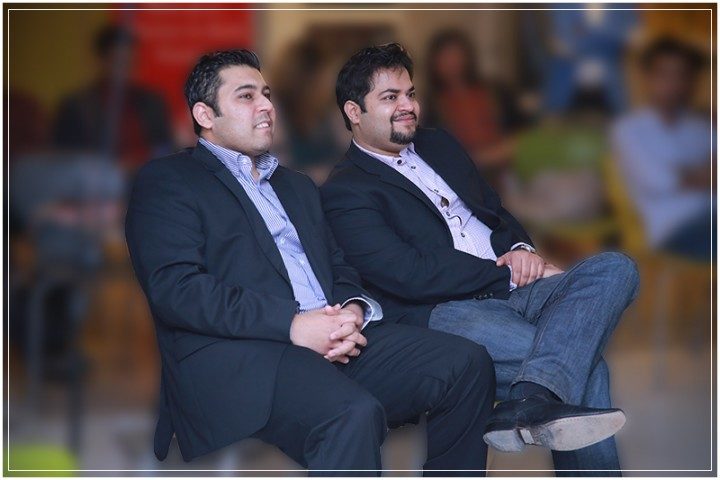
EatOye’s Nauman (left) and Umair (right)
Food was a genuine passion for both and Umair agreed to plunge in. FCP would have a simple monetization strategy – a monthly, recurring restaurant subscription fee, as well as sponsored listings and promotions. Umair would handle all technical aspects of the service, including building the website, branding, and marketing, while Mirza would focus on operations, business development, and logistics.
The vision for FCP was also clear from day one – both entrepreneurs wanted to build and export a successful business from Pakistan.
Bootstrap or go home
Like most bootstrapped startups in Pakistan, Nauman and Umair didn’t have a large amount of capital to invest. They couldn’t even afford an office, and worked out of their homes. The little funds they did have were poured into building a solid, marketable product, with the hope that early adopters would enjoy their experience and help spread the word.
The strategy worked. The entrepreneurs experimented with creating pre-launch hype by giving away free goodies in competitions and encouraging people to like and share their Facebook page. Facebook’s algorithm also worked in their favor; at the time the social media behemoth had yet to clamp down on organic reach.
Another factor was SEO. Umair had prior experience of building online businesses and knew which tricks would work. Soon, users searching for food and food services in Pakistan found themselves on the FCP site, driving organic traffic.
Learning from failure
The time was right
What was different?
Make something people want
Acquisition





Stay updated on the go with our mobile app.
Get latest insights with smoother, more personalized experience through TIA mobile app.