Mobile wallets originally got popular in India because they were easier to use than online banking.
The idea was so enticing that India’s central bank, the Reserve Bank of India (RBI), gave 11 companies licenses to act as “payment banks.” This meant that they could hold money – up to US$1,485 at a time – and conduct transfers. They were limited to handling payments, so they couldn’t issue credit cards or loans like regular banks.
Mobile wallets were big fans of the new regime. Some, like Paytm, got their own licenses, while others like rival FreeCharge didn’t and instead chose to partner with those who had.

Lots of eyes on the prize. Photo credit: Kenny Loule.
In no mood to get left behind, however, banks picked up the pace by relaxing rules and getting more innovative in digital transactions.
Two of India’s “big four” banks have launched their own cashless payment services, and the National Payments Corporation of India (NPCI), the country’s authority on all things related to retail payments, created an API to make it easy for apps to conduct bank-to-bank and bank-to-wallet transfers.
So now, there’s one question on everyone’s minds: do mobile wallets still fit in?
Govind Rajan, COO of e-wallet FreeCharge and CSO of ecommerce site Snapdeal (which acquired FreeCharge last year), counters my questions about the impending identity crisis by pointing out the specialized role of wallets. “We’re definitely not competing with banks,” he responds. “Banks are there to manage people’s cash. That’s their main focus, and they make money off of doing that.”
From top-up site to wallet
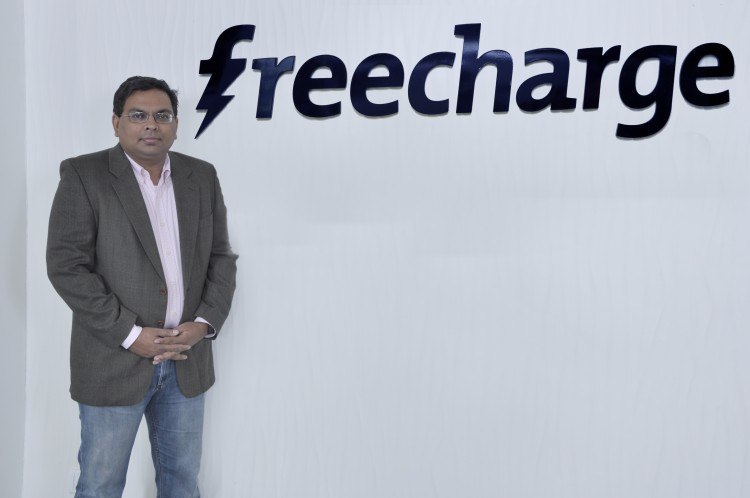
Govind Rajan, COO of FreeCharge.
FreeCharge has raised over US$113 million of funding in five rounds from the likes of Sequoia Capital and Belgium-based Sofina. It was bought out by Snapdeal in 2015 for an estimated US$400 million.
Originally just a top-up site, it became a full-fledged wallet in September when it rolled out a partnership with FINO, one of those aforementioned 11 companies to receive a “payment bank” license.
Its customer base is not as big as that of Paytm, but FreeCharge calls itself the fastest growing wallet in India.
“We want to exist right at the moment where you make a transaction. Invisibly, seamlessly, right there,” says Govind. “It’s an entirely new sector.”
Design for efficiency
Safety matters
Free-flowing and malleable
Best of times, worst of times





Stay updated on the go with our mobile app.
Get latest insights with smoother, more personalized experience through TIA mobile app.










📅 Upcoming Events
22 October 2026
Payoneer x CSPN Summit 2026