Steven Millward · · 2 min read
VR startup from Japan gets series A funding to start production
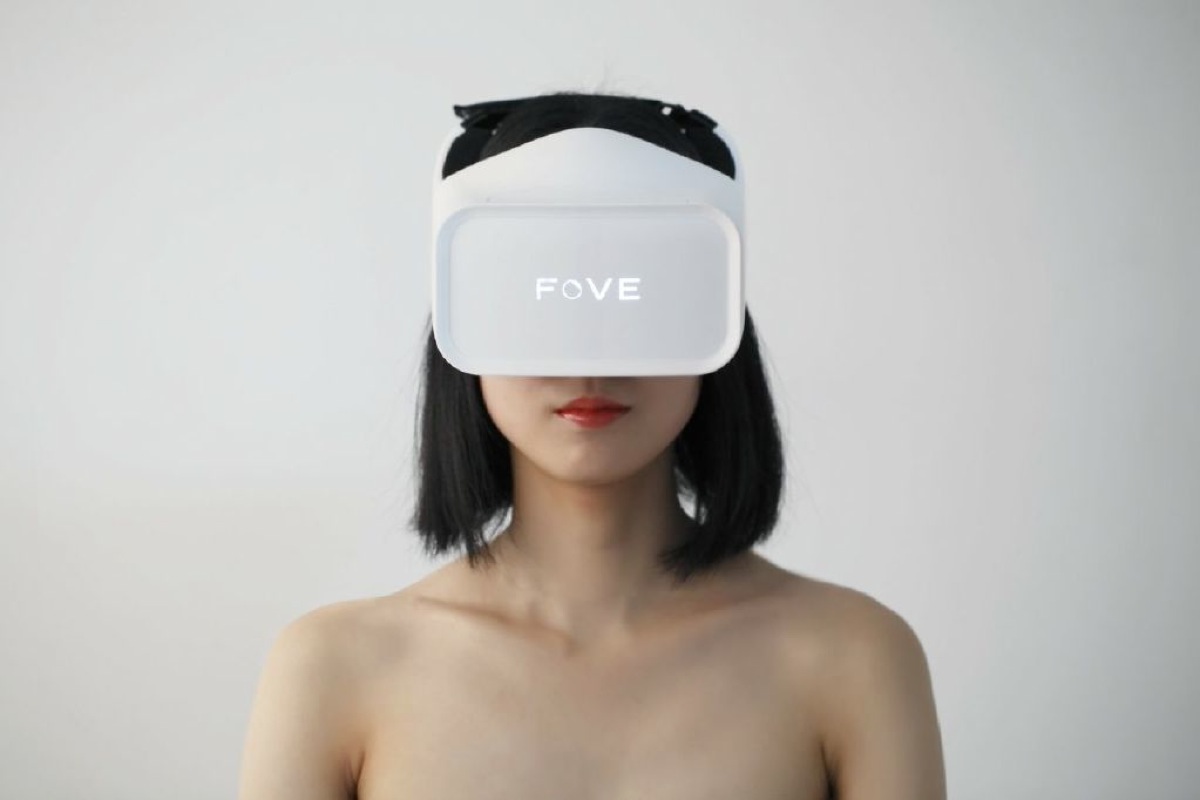
Fove’s VR headset.
Nearly a year after raising US$480,650 on Kickstarter, virtual reality (VR) startup Fove has nabbed series A funding to the tune of US$11 million.
It’s different from most VR gizmos in that it has lots of cameras inside to track eye movements.
The Japan-based team today said the investment was led by Colopl VR Fund, with Hon Hai’s VC fund and Samsung Ventures joining in.
Hon Hai is the parent company of well-known gadget assembler Foxconn. As part of the backing, Foxconn will be manufacturing the Fove VR headsets once the startup is ready to start production in the summer. Kickstarter backers should get their Fove headsets in May, with general sales beginning in the fall, Fove CEO Yuka Kojima tells us. (Updated 20 hours after publishing: Added in manufacturing and sales timelines after emailed response from Yuka.)
Fove is different from most VR gizmos in that it has lots of cameras inside to track eye movements. That’s why the startup is named after the fovea, the part of the eye that gives you sharp central vision.
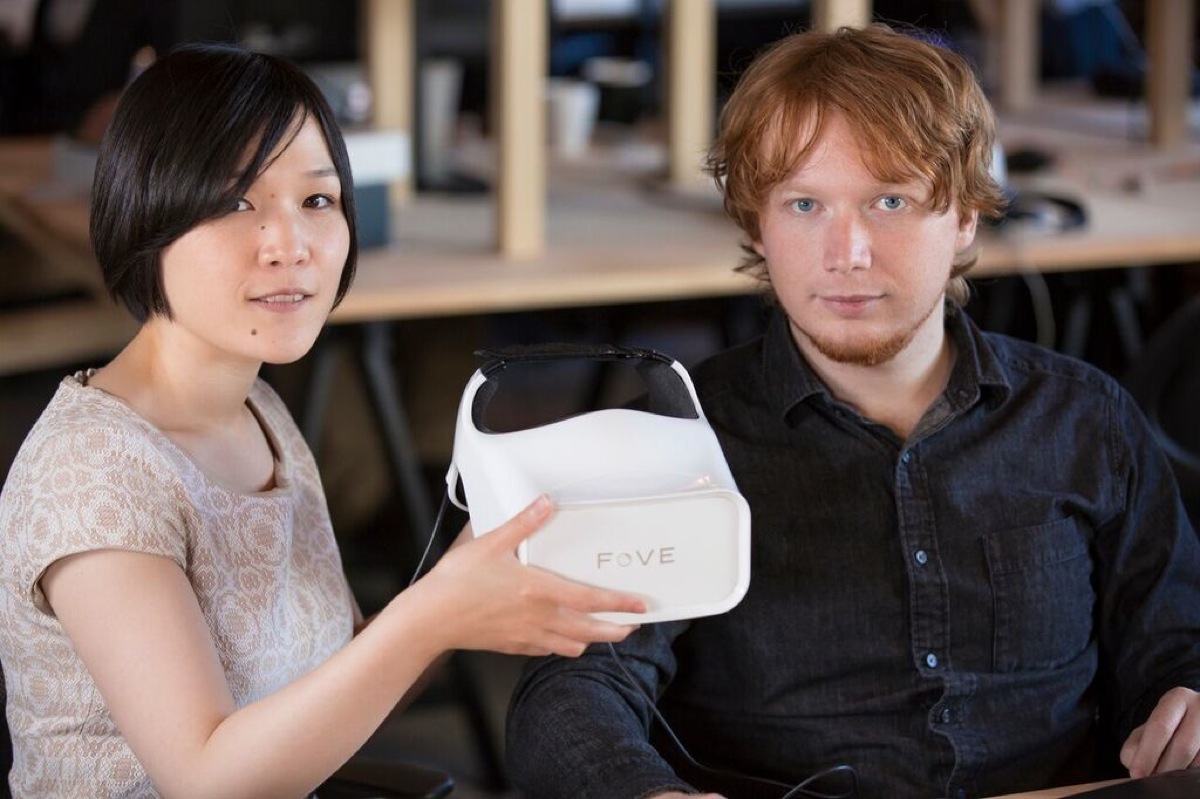
Fove CEO Yuka Kojima (left) and CTO Lochlainn Wilson (right).
“Fove uses infrared light to illuminate your eye, regardless of eye color,” Lochlainn Wilson, Fove’s CTO, told Tech in Asia last year. “The iris reflects the same light pretty much across all of humanity. There are little cameras looking at your eye, but they’re not visible, and they track your eye movements.”
So when you look into Fove’s headsets, you’ll experience depth of field in the way that the human eye sees naturally – so you won’t feel so much like your head has been taped to the front of a TV, like with other VR headsets. That gives Fove something unique, helping it stand out against rivals like the Facebook-owned Oculus Rift, the Samsung Gear VR, or the HTC Vive.
See: I tried the HTC Vive, but I’m still not convinced I need VR in my life
“There’s a lot of potential for using your eyes in driving games, even something like flying around in the Iron Man suit,” Lochlainn added. “You could target enemies simply by looking at them. It’s hard to intuitively aim when you have a 2D cursor in a 3D space.”
There’s no price tag yet and no list of countries this will hit first.
Editing by Meghna Rao





Stay updated on the go with our mobile app.
Get latest insights with smoother, more personalized experience through TIA mobile app.