Paul A. Christensen · · 4 min read
How this founder went from designing shoes to AI agent workflows
This article is part of our new series, The Backstory, where we sit down with founders, operators, investors, and community builders who are doing something out of the box. The goal is to uncover how they’re thinking about and solving real-world problems, and how they got there.
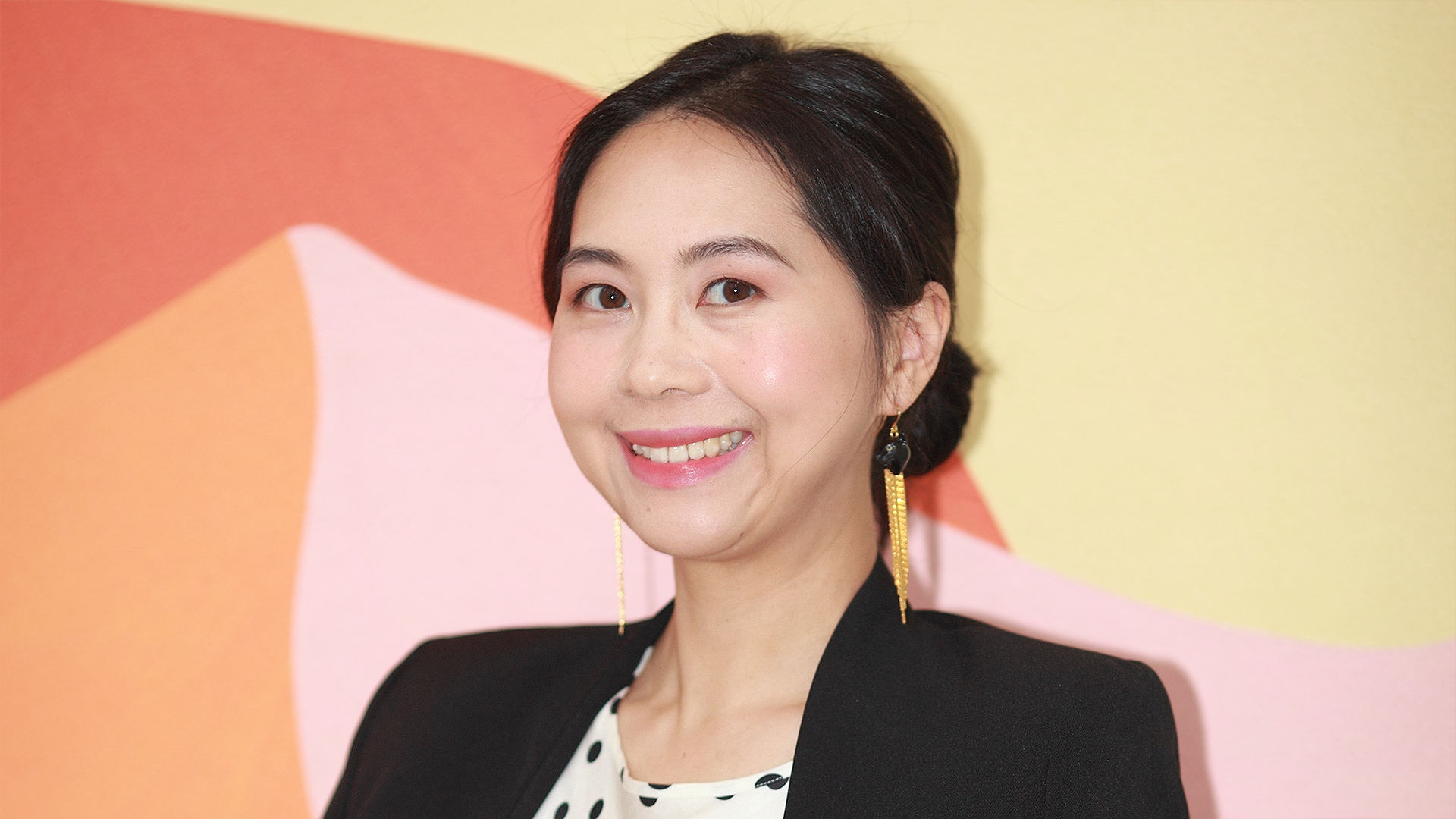
Maxify AI and Sunnystep founder Mao Ting. Photo credit: Mao Ting
When Mao Ting couldn’t find shoes that supported her body after a spinal injury, she put on her data scientist hat and began problem-solving. The former Grab executive ended up creating her own footwear brand: Sunnystep.
As the firm scaled to three markets, growth brought its own problems as headcount outpaced sales and decision-making slowed. Mao’s fix was to build AI agents to run Sunnystep’s workflows. That has become her new company, Maxify AI.
In brief:
- Biggest moment: Recently, launching Maxify AI, an AI operating system for established enterprises that grew out of her footwear brand.
- Where you might have seen her: Through her footwear brand, Sunnystep
- Key achievements: Growing Sunnystep to 12 outlets across Singapore, Malaysia, and Indonesia.
This interview has been edited for clarity and brevity.
You built a footwear brand, then an AI startup. How did one lead to the other?
Sunnystep started from a personal problem. Following a spinal injury a month after childbirth, I couldn’t find shoes that supported my body but also didn’t look medical, so I approached footwear like a data scientist: testing materials, studying pressure distribution, and iterating relentlessly.
The early years were a joy, but as we added stores and markets, operational complexity outran revenue. Headcount rose faster than sales, middle-management layers formed, and I became the bottleneck, spending my days firefighting instead of thinking ahead.
To solve that, we built agents to run workflows inside Sunnystep, and the results went far beyond what we expected. Hiring that used to take over a month now takes three days. Once we saw the same architecture could serve other enterprises, Maxify became its own company.
Running a live retail business and an enterprise AI startup at the same time is unusual. Why not focus on one?
Because they make each other better. Most enterprise software is built at a distance from the mess of actually running a company. We’ve lived through that mess across finance, HR, operations, ecommerce, merchandising, and supply chain functions, so when a client describes a problem, we’ve already felt the pain ourselves.
Sunnystep gives Maxify real operating problems and accountability, while Maxify gives Sunnystep an AI-native operating system. Within six months of deploying agents, Sunnystep’s net profit margin rose by 8.3%.
What does Maxify actually do that a dashboard or enterprise resource planning software doesn’t?
Dashboards show you what already happened, but they don’t make sure someone diagnoses it, decides, and follows through. A well-designed agent identifies the affected stores or products, examines the drivers, recommends an action, routes it to the right owner, tracks the deadline, and escalates if it stalls.

Sunnystep’s back-office headcount has gone from roughly 40 people to about 10 as a result. How did you reconcile with that?
You talk about dashboards and middle management “reaching a ceiling.” At which point did you start to feel that?
How is hiring different in an AI-native company?
What does running a physical retail brand teach you that a software-only founder might miss?





Stay updated on the go with our mobile app.
Get latest insights with smoother, more personalized experience through TIA mobile app.