J.T. Quigley · · 6 min read
She created Japan’s Xiaomi, launching 21 gadgets in 2 months
Japan’s consumer electronics giants are struggling. Today’s Sony, for example, bears little resemblance to the industry leader it was in the eighties and nineties. Since February 2014, it’s spun off its television, audio, and video divisions – and sold its PC segment outright.
Increased foreign competition is just one reason for the sector’s rapid decline. Japan’s tech titans have also been accused of moving too slow – with red tape, bureaucracy, and an emphasis on seniority over ability hampering innovation.
Across the sea in China, upstarts like Xiaomi and OnePlus are challenging the status quo by selling high-tech gadgets direct to consumers – at a more reasonable price than established firms. Could a Japanese startup with a similar approach be a nail in the coffin for the country’s embattled consumer electronics companies?
Lightning fast
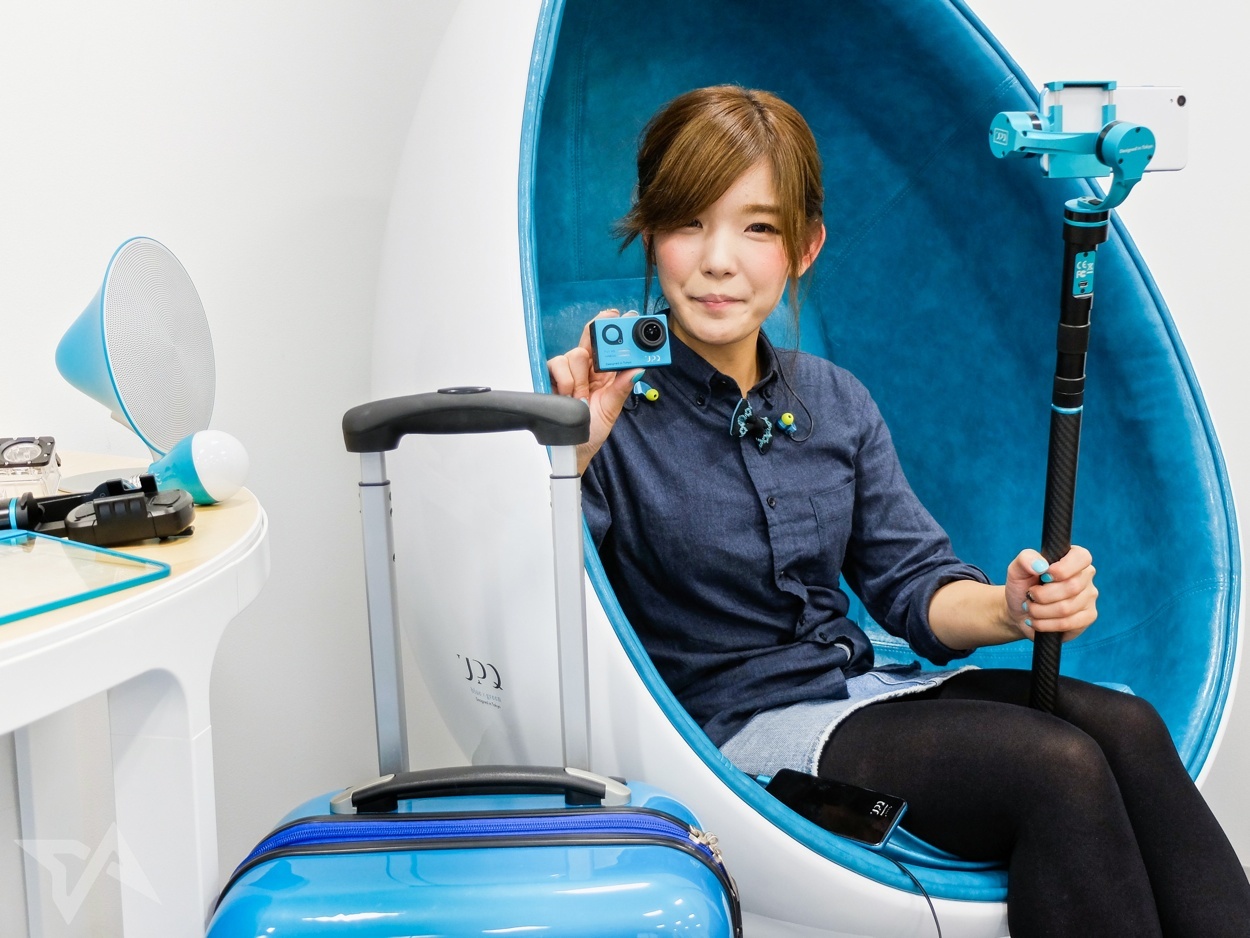
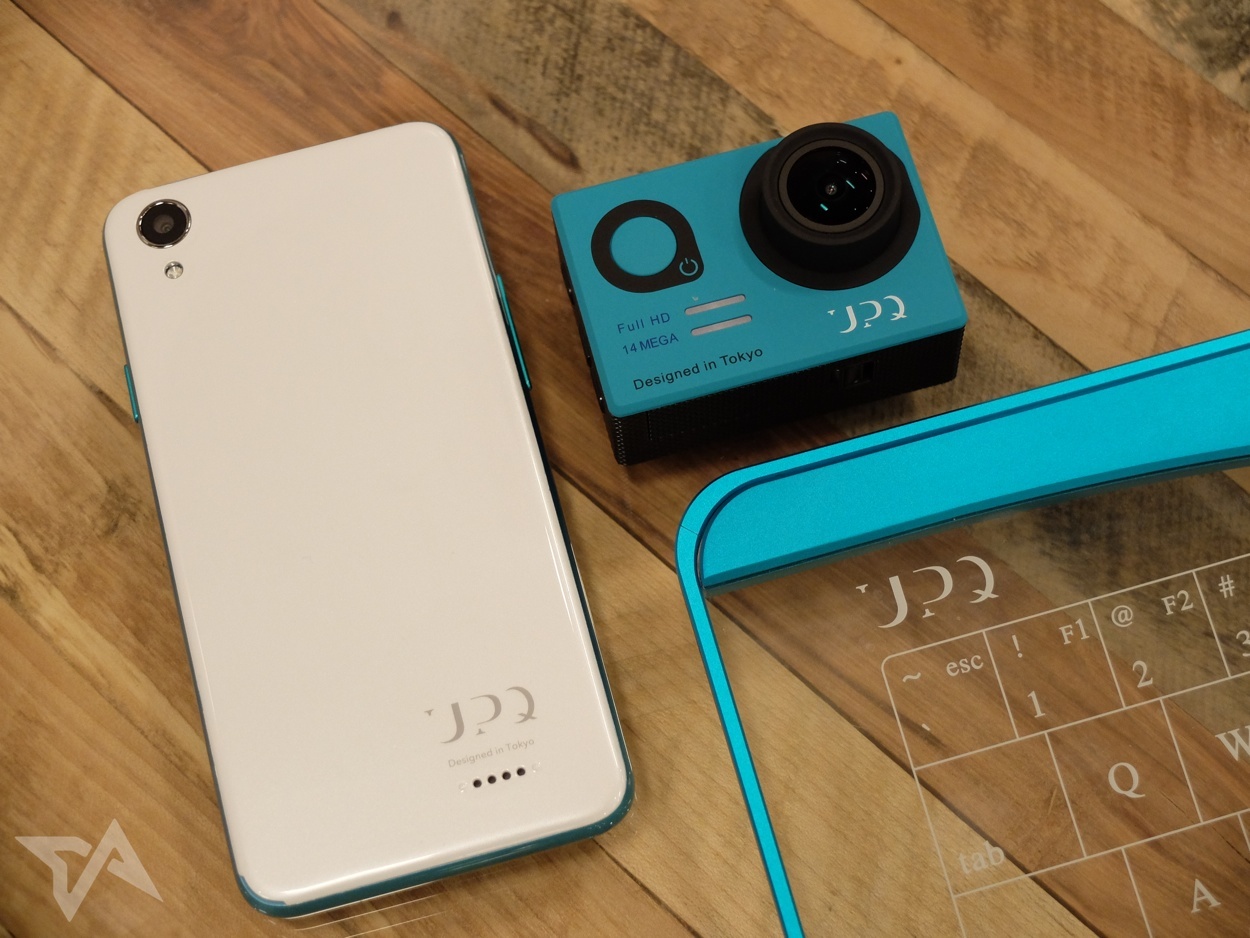
If UPQ (pronounced “up-Q”) knows anything, it’s how to move fast. The Tokyo-based startup, founded in early June, unveiled 24 products (all but three are consumer electronics) in seven categories at a press conference last week. Ranging from a SIM-free smartphone and GoPro-like action camera to a 50-inch 4K display and a variety of earphones, each item went from idea to production in just two months. And it’s not just a publicity stunt – you can already order everything online.
“We actually had about 100 ideas, but we narrowed it down to 24,” Yuko Nakazawa, UPQ’s founder and CEO, tells Tech in Asia.
Nakazawa’s path to entrepreneurship was an interesting one. She joined Casio as a product planner in 2007, where she worked on the firm’s feature phones, smartphones, and compact cameras.
“Casio had some really unique products, like the G-Shock phone,” Nakazawa says. “I loved doing product planning for these kind of fun, niche products.”
In 2010, Casio and Hitachi’s mobile phone divisions merged with NEC. Unhappy with her new parent company – with design language that favored simple over bold – Nakazawa resigned in 2012. NEC, once Japan’s top feature phone maker, exited the smartphone business a year after Nakazawa’s departure, admitting it was too late to compete with foreign rivals.
Hackathon?
Instead of seeking a job at another electronics company, Nakazawa used her savings to open a cafe in Akihabara.
“I’m not an engineer, so I couldn’t make the kind of gadgets I wanted [to be a product planner for],” Nakazawa says. “But I could open a cafe, and create my own menu. I enjoyed making one-off cakes and giving people something original.”
While walking outside near her cafe last October, Nakazawa came across an advertisement for a hardware hackathon. “I didn’t even know what ‘hackathon’ meant at that time,” Nakazawa says. “So I Googled it.”
Take it or leave it
Inspiring the competition





Stay updated on the go with our mobile app.
Get latest insights with smoother, more personalized experience through TIA mobile app.