- Premium Content It takes our newsroom weeks - if not months - to investigate and produce stories for our premium content. You can’t find them anywhere else.
 Peter Cowan · · 6 min read
Indonesia’s next hope: Cleantech with a dash of agriculture, waste management
Although investing in Indonesia’s maturing market may have become prohibitively expensive for some venture capitalists, not every VC is backing off.
However, as industries such as ecommerce and fintech become more challenging for VCs to secure substantial returns, which sectors are investors banking on?

Image credit: Timmy Loen
The answer might lie in cleantech.
Tech in Asia data and interviews with regional VCs indicate that cleantech has emerged as the next hot category for tech investors in Indonesia. The urgency of addressing climate change, combined with government support for the sector, makes it an attractive investment proposition.
The rise of cleantech
In 2023, Indonesian cleantech startups raised a total of US$65 million in disclosed funding. This year, they’ve raised US$77.5 million so far, according to Tech in Asia data.
Swap Energy, an electric vehicle battery-swapping startup, secured one of the largest cleantech deals of the year so far. Its US$22 million series A round in January was led by Qiming Venture Partners.
Founded in 2019, Swap Energy aims to tackle charging infrastructure limitations in the electric two-wheel vehicle segment with its over 1,300 battery-swapping stations in Indonesia. Its EV partners in the country include Smoot and Minerva Electrons.
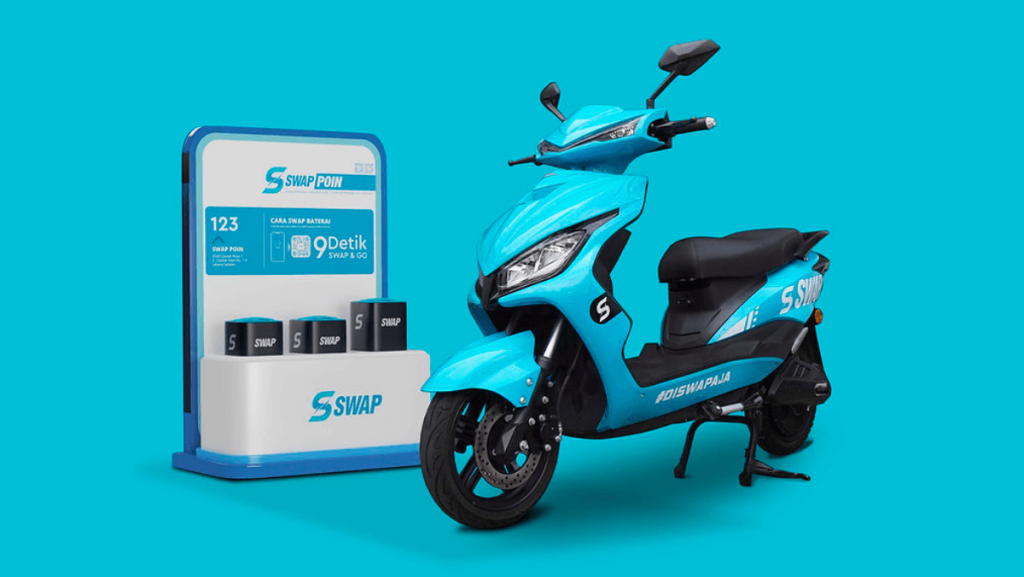
Image credit: Swap Energy
Helen Wong, managing partner at AC Ventures, agrees that renewable energy and electric vehicles remain hot sectors for funding in Indonesia. She said this trend has been bolstered by the success of similar companies worldwide.
However, Wong notes that founders should be aware of the “capital-intensive nature of cleantech” and the “longer time to market due to complex corporate sales cycles and an uncertain regulatory landscape.”
In recent years, Indonesia has rolled out numerous policies to push EV adoption, including cutting the value-added tax on sales of battery-based electric vehicles from 11% to 1%, as well as an electric motorcycle subsidy. President Joko Widodo has been vocal in his support of EVs, and his successor, president-elect Prabowo Subianto, will likely maintain this stance.
See also: At a crossroads: Indonesia’s elections will decide tech future
Fintech reality check
Agritech, waste management: still untapped
Stay ahead in Asia’s tech landscape
This is premium content. Subscribe to read the full story.
Which sectors will be the country’s next investment hotspots? Tech in Asia looked at funding data and spoke with venture capitalists to find out.
We know this is not ideal. ⌛ Sign up in 20 seconds. Cancel anytime.
Our subscriber community includes professionals from these companies:





Stay updated on the go with our mobile app.
Get latest insights with smoother, more personalized experience through TIA mobile app.








📅 Upcoming Events
22 October 2026
Payoneer x CSPN Summit 2026