Osman Husain · · 7 min read
Here’s what Jack Ma should buy next
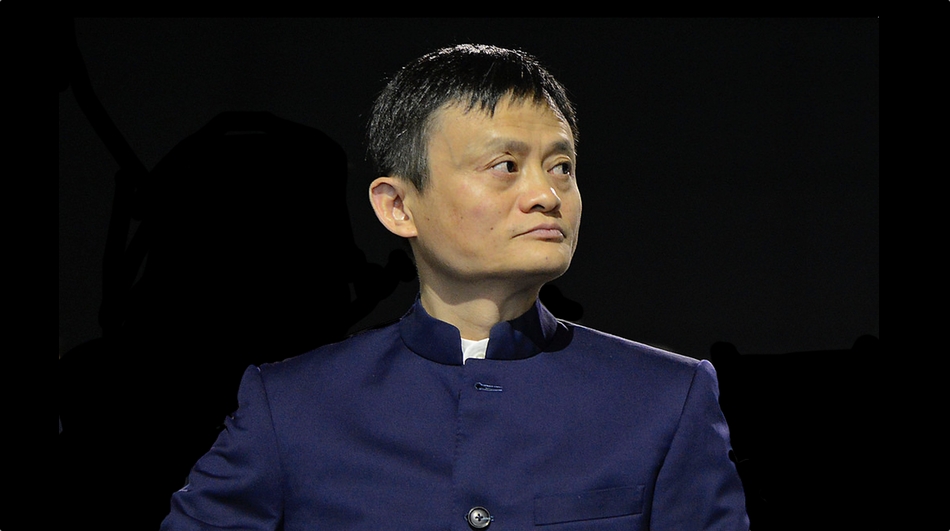
Photo modified by Tech in Asia; original photo credit: UN Climate Change.
Ever since Jack Ma’s Alibaba took control of Lazada in a US$1 billion deal last year, there’s been speculation about what the ecommerce titan might do next.
I think the natural choice is Daraz, an online store for Pakistan, Bangladesh, Myanmar, and Sri Lanka, which encompasses a combined market worth US$610 billion. Like Lazada, Daraz is born out of the Rocket Internet empire.
So far the Chinese billionaire has played his cards close to his chest about what comes after the Lazada deal for Southeast Asia. He’s preferring to impart “ecommerce training” to thousands of small businesses spread across Lazada’s six countries.
He’s also reportedly excited at the prospect of sharing knowledge with Lazada’s management, which fits in with his wider vision of using Alibaba to sell directly to consumers – slashing costs and eliminating the cut any shady middlemen might be pocketing.
But that’s easier said than done. Trade across much of Asia is riddled with bottlenecks such as potholed roads, decrepit railways, inefficient logistics, and quirky customs processes. If Alibaba and its Taobao and Tmall marketplaces are really to act as the engine for consumer purchases in this region, then they’ll need to figure out a lasting solution.
And it’s not like Jack Ma doesn’t want to expand his business. Ant Financial, his mobile wallet app, has made investments in India, Thailand, South Korea, and the Philippines. It also bought US-based remittance company Moneygram for a cool US$880 million.
Anecdotal evidence seems to suggest that Ma wants to make it extremely easy for consumers to have access to millions of products and pay for them via their phones. And while he’s not completely there yet, the broader vision is to muscle out Amazon without the need to physically enter markets from scratch.
So what’s the next step?
Here’s how acquiring Daraz fits in.
First, Chinese companies aren’t averse to following their government’s lead. McKinsey notes that “government policy continues to be the critical shaping force” of the economy, with the state “possessing levers” to dictate the pace of economic growth.
The government’s pivot to Africa is now several years old. Large Chinese firms specializing in energy, construction, and logistics signed a mammoth US$70 billion worth of contracts in Africa in 2014 alone. Followed closely by this was phone maker and telecommunications firm Huawei, which set up a training school in Nigeria in an effort to hone the skills of engineers and strengthen cellphone networks across the continent.
The Chinese want to bypass the congested Straits of Malacca.
But now China’s embarking on a much more ambitious project through which it wants to establish itself as the central hub of global trade. Dubbed “One Belt, One Road”, the project aims to build road and railway links from Chinese industrial hubs to European capitals via Central and South Asia. It’s like a new Silk Road.
Overall, the project, first announced by President Xi Jinping in 2013, will span approximately 65 countries that account for one-third of the world’s GDP and about a quarter of all the goods and services consumed. The Chinese have committed to spend hundreds of billions of dollars to make this a reality, and work is moving forward rapidly.
Where does Jack Ma fit in?
Can the deal happen?





Stay updated on the go with our mobile app.
Get latest insights with smoother, more personalized experience through TIA mobile app.